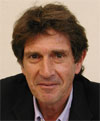
ARIE NADLER
Arie Nadler is also a Member of the HumanDHS Research Team.
Arie Nadler was born in Munich in 1947. Arie Nadler, Ph.D. (1976, Psychology, Purdue University, USA) is a Full Professor of Social Psychology (1988). He served as the Head of the Psychology Department (1984-1988) and Dean of the Faculty of Social Sciences at Tel Aviv University (1993-1998). He co-founded the Tami Steinmetz Center for Peace Research and served as the first head of its academic committee (1992-2002), and established and was the first head of the Institute for Diplomacy and Regional Cooperation at Tel Aviv University (1999-2003). Since 2000 Prof. Nadler holds the Argentina Chair for Research of Psychology of Conflict and Cooperation. Funds to establish the Chair were donated by the Argentinean Friends of Tel Aviv University. Since May 2006 Professor Nadler serves as the Chairperson of the board of the Israeli Trustees Foundation which supports research in the social sciences and education in Israeli Universities and Colleges. Professor Nadler also served as the chairperson of ISEF (Israeli Sepharadic Education Foundation) and Yeladim (the council for the child in placement). Professor Nadler also has consulting experience in his areas of expertise in non-profit and business organizations.
His fields of interest:
- Helping relations and power relations between individuals and groups.
- Reactions to and willingness to seek assistance
- Social Psychology of reconciliation processes
- History of Psychology.
Please find here some of his publications:
•
From Tel Aviv to Ulcinj - Can we learn from each other about reconciliation and peace-building? by Arie Nadler in Eurozine (2001-07-04).
• Inter-Group Helping Relations As Power Relations: Maintaining or Challenging Social Dominance Between Groups Through Helping, in Journal of Social Issues(58, 3, March, pp. 487-502, 2002).
• Arie Nadler (2004), together with Tamar
Saguy, Reconciliation Between Nations: Overcoming Emotional Deterrents to Ending Conflicts Between Groups, in Langholtz, Harvey and Stout, Chris E. (Eds.), The Psychology of Diplomacy (New York, NY: Praeger, 2004). Arie comments this chapter as follows:
The empirical paper which Tamar wrote is reported (in part) in the chapter. It is an analysis of the pitfalls in reciprocal assistance in "joint Israeli-Palestinian projects". It basically asked the question: Which projects survived and continued despite the tensions of the Intifada, and which folded? It does say a lot about equality in giving and receiving assistance (the hallmark of true cooperation). Unfortunately, it was published in an Israeli journal (in Hebrew). But the chapter may still be relevant.
• Going beyond guilt and revenge: The effects of admitting responsibility and expressing empathy for the enemy's suffering on inter-group reconciliation, note presented at the 2004 Workshop on Humiliation and Violent Conflict, Columbia University, New York City, November 18-19, 2004.
•
Intergroup Helping as Status Relations: Effects of Status Stability, Identification, and Type of Help on Receptivity to High-Status Group’s Help, in Journal of Personality and Social Psychology, 91 (1), pp. 97–110, together with Samer Halabi, 2006.
• Arie explains (April 14, 2007): I am attaching (1) an empirical paper ( with Liviatan) on the effects of apology on reconciliation, and (2) a chapter (with my student and co-worker Nurit Shnabel) that is forthcoming in a book which I co-edit and summarizes some ideas on the process of reconciliation between groups, and the Need Based Model of reconciliation. I think that the model is very relevant to our work on humiliation and conflict:
(1)
Intergroup Reconciliation: Effects of Adversary’s Expressions of Empathy, Responsibility, and Recipients’ Trust, in Personality and Social Psychology Bulletin, 32 (4, April), pp. 459-470, together with Ido Liviatan, 2006.
(1) Instrumental and Socio-Emotional Paths to Intergroup Reconciliation and the Need-Based Model of Socio-Emotional Reconciliation, to appear in: A. Nadler, T. Malloy & J.D. Fisher (eds.) Social Psychology of Intergroup Reconciliation. New York, NY: Oxford University Press, together with Nurit Shnabel, 2006.
• Arie explains (April 14, 2007):You already have my JPSP paper with Halabi (Intergroup Helping as Status relations). I am attaching a chapter which is less technical and much more relevant to the issue of Humiliation and Assistance and the importance of attending to this link in social-programs on the inter and intra national levels:
(1) Inter-Group Helping as Status Organizing Processes: Implications for Inter-Group Misunderstandings, in press in: Demoulin, S., Leyens, J.P. & Dovidio, J.F. (Eds.): Intergroup Misunderstandings: Impact of Divergent Social Realities. Washington, DC: Psychology Press, April 2007, revised version, together with Samer Halabi, and Gal Harpaz-Gorodeisky.
• Arie Nadler, together with Thomas Malloy, and Jeffrey D. Fisher (Eds.) (2008). Social Psychology of Inter-Group Reconciliation: From Violent Conflict to Peaceful Co-Existence. Oxford, New York: Oxford University Press.
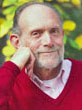
MICHAEL N. NAGLER
Michael Nagler, P.h.D, is professor emeritus of Classics and Comparative Literature at UC, Berkeley, where he founded the Peace and Conflict Studies Program and taught the upper-division nonviolence course as well as meditation and other courses until June, 2007. Prof. Nagler has consulted for the U.S. Institute of Peace and many other organizations and is the founder of the Metta Center for Nonviolence Education and Educators for Nonviolence (info[at]efnv.org).
In addition to many articles on nonviolence and related subjects he is the author of America Without Violence, The Upanishads (with Sri Eknath Easwaran), The Search for a Nonviolent Future which won the 2002 American Book Award, has been translated into Italian and SerboCroatian and is being used in many courses as well as reading groups around the U.S.A, and most recently Hope or Terror: Gandhi and the Other 9/11, which has also gone into several translations. In November, 2007 he was awarded the J. Bajaj International Award for Promoting Gandhian Values Outside India.
Michael is a student of Sri Eknath Easwaran, Founder of the Blue Mountain Center of Meditation, and resides at the Center's headquarters in Northern California, and serves as presenter for Center retreats.
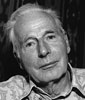
ARNE NÆSS
January 27, 1912 - January 12, 2009, but always with us in our hearts!
Arne Næss, the founder of Deep Ecology and one of Norway's best known Philosophers, is Professor Emeritus at the University of Oslo. Born in 1912 in Oslo, and graduated at the University of Oslo in 1933, he then studied in Paris and Vienna. He gained his doctorate in 1936 with a thesis that was entitled, Erkenntnis und wissenschaftliches Verhalten.
Arne Næss was Professor of Philosophy at the University of Oslo from 1939 to 1969, then free-lance philosopher, and from 1970 onwards environmental activist. He has lectured in Bali, Beijing, Berkeley, Bucharest, Canton, Chengdu, Devon, Dubrovnik, Hangzhou, Helsinki, Hongkong, Japan, Jerusalem, London, Melbourne, Reykjavik, Santa Cruz, Taiwan, Tartu (Estonia), Tromsø, Vancouver, and Warsaw.
Næss was the Leader of UNESCO's project on the East/West Controversy (Cold War), in Paris from 1948 to 1949. He founded Inquiry, an inter-disciplinary journal of philosophy.
Professor Næss participated in the peace movement, especially in the years 1940 to 1955, and "the deep ecology movement" from 1970 onwards, adamantly supporting "green" politics."
In our annual meeting in 2003, in Paris, Arne emphasized his stance that all human beings, without any exception, first and foremost are human beings. He explained how he used to invite people from prison into class, so as to demonstrate to his students that "there are no muderers" - rather, "these are human beings, who have murdered."
On 27th January 2007, Arne turned 95 years, and celebrated this with publishing a book Livsviktig (Important for Life). He furthermore was honoured by the Norwegian state ( i februar i 2006 ble han utnevnt til Kommandør med stjerne av Den Kongelige Norske St. Olavs Orden for samfunnsnyttig innsats).

HILDE EILEEN NAFSTAD
Hilde Eileen Nafstad is Associate Professor at the Department of Psychology at the University of Oslo in Norway. Her areas of interest are theoretical analyses and empirical studies of how variables and factors on societal level influence the individual's development and living situation.
Professor Nafstad’s inquiries have resulted in a truly interdisciplinary approach where theories and concepts from various walks of the social sciences are being integrated. Within an interdisciplinary system oriented framework, Nafstad has conducted a series of studies of preschools as working place and developmental environment. Moreover, she has carried out a series of studies of social mastery in various categories of children growing up under especially difficult conditions. The underlying theoretical position in these studies is that material, economic and health relief measures can improve children’s situation, but people with a severe handicap will always be in a (minority) situation that is different from that of the majority. Taking as a point of departure that welfare society is dependent on solidarity, willingness to share and help each other, Nafstad is presently analyzing people’s willingness to do do precisley that, namely share with each other.
Please see Nafstad on "Area Ethics," where she discusses the underlying ethical assumption that dominate the field of psychology and calls for the inclusion of a broader range of available concepts. She writes there, " .contemporary mainstream psychology often views its a priori taken for granted assumptions about human nature as 'indisputable universally true facts' (Condor, 1997: 136). Identification and critical evaluation of the value implications and moral consequences of the taken for granted assumptions underlying current psychological research, is thus a task of importance today."
• Evelin Lindner would like to express her profound gratitude to her doctoral advisers Lee D. Ross (Stanford University), Reidar Ommundsen, and Jan Smedslund, as well as to Hilde Nafstad, Berit Ås, Karsten Hundeide, and Stephen on Tetzchner as members of the defense committee for May 25, 2001, and Astri Heen Wold for opening the initial door in 1996 as head of the Department of Psychology of the University of Oslo, Norway. Evelin also sends her deep-felt thanks to the esteemed advisers you see the Acknowledgments.
Please see
• The Neo-Liberal Ideology and the Self-Interest Paradigm as Resistance to Change by Hilde Eileen Nafstad, in Radical Psychology, Spring 2002,
•
Area Ethics: To Integrate Basic, Applied and Professional Ethics
in a Particular Field of Activity by Hilde Eileen Nafstad, a paper funded by University of Oslo's Ethics program and presented on the First International Conference on Teaching Applied and Professional Ethics in Higher Education, London 2-4 September 2003, arranged by Federal University of Surrey Centre for Applied and Professional Ethics,
• Assumptions and Values in the Production of Knowledge: Towards an Area Ethics of Psychology and the Social Sciences. In Robinson, Simon and Katulushi, Clement (Eds.), Values in Higher Education, Vale of Glamorgan, Cardiff: Aureus Publishing.
• Samfunnsideologiprosjektet, Samfunnsideologiprosjektet ved Universitetet i Oslo er et paraplyprosjekt med flere integrerte delprosjekter under ledelse av Hilde Eileen Nafstad og Rolv Mikkel Blakar.

KOICHI NAGASHIMA
Koichi Nagashima is an architect, urban designer and planner - a graduate of Waseda University, School of Architecture, Tokyo (B.A. Architecture), Harvard University, Graduate School of Design (M.A. Architecture) and the Athens Center of Ekistics, Graduate School of Ekistics, Athens, Greece. He has been Principal Partner, AUR (Architecture-Urban Design & Research) Consultants, Tokyo, and Visiting Lecturer, School of Architecture, Yokohama University and School of Architecture, Waseda University. He is nationally and internationally known for the large number of architectural, landscaping and planning projects he has undertaken - for which he has received high order prizes and other distinctions; his numerous publications; and teaching activities at universities in Japan, Australia and the UK. He is a member of the World Society for Ekistics and Japan Correspondent of Ekistics. He has been the Director of the UIA Work Programme, Architecture of the Future.
Please see "From Decocity Towards Ecocity," in Ekistics, 376, pp. 70-79, 1996, and Glocal Approach Toward Architecture of the Future, 1999 (this article was written in 1995 for the UIA Work programme "Architecture of the Future," but published in June 1999 for presentation at the XX UIA Beijing Congress, as a joint publication by Union Internationale des Architectes and the Japan Institute of Architects).

ADAIR LINN NAGATA
Adair Linn Nagata, Ph.D., teaches, facilitates, and coaches with an emphasis on integrative transformative learning through Personal Leadership: Making a World of Differences. She has focused her current work on Personal Leadership because in practicing it, we set the conceptual ideal that leads us forward by formulating and continually refining our vision of ourselves functioning at the peak of our capability, whatever it is currently. Personal Leadership promotes this evolution as we engage in it and cultivate ourselves as instruments of communication.
After careers in international education and corporate training, communication, and organizational development in a global financial services company, she earned her doctorate in Human Development from the Fielding Graduate University (Santa Barbara, CA) and has been teaching at the university level since 2002.
She currently teaches in the Master of Arts in Intercultural Relations (MAIR) program jointly offered by the Intercultural Communication Institute, Portland, OR, and the University of the Pacific, Stockton, CA. In Tokyo, she was formerly Professor of Intercultural Communication at the Rikkyo University Graduate School of Intercultural Communication and Lecturer at the Graduate School of Asia-Pacific Studies at Waseda University.
She is one of the past presidents of SIETAR Japan (Society for Intercultural Education, Training, and Research). SIETAR serves in the field of intercultural communication in Japan with an international membership of professionals in education, training, and research, including both academics and practitioners.
In her work on intercultural communication, she focuses on self-reflexivity and coined the term bodymindfulness, which emerged while she was doing her dissertation that was a Mindful Inquiry (Bentz & Shapiro, 1998) about emotional resonance and presence. Her publications focus on the cultivation of consciousness and communicative competence in intercultural relationships and for intercultural researchers. Both her personal and professional activities give her many opportunities to practice her motto, "Peace begins within."
Please see here some of Adair Linn Nagata's publications:
• Being Global: Life at the Interface, in Human Resource Development International, 1 (2), pp. 143-145, 1998
• Mindful Inquiry: A Learner-Centered Approach to Qualitative Research, in Journal of Intercultural Communication, 6, pp. 23-36, 2000
• Cultivating Confidence in Public Communication: Teaching Bodymindfulness and Sensitivity to Energetic Presence, in Journal of Intercultural Communication, 7, pp. 177-197, 2004
• Promoting Self-Reflexivity in Intercultural Education, in Journal of Intercultural Communication, 8, pp. 139-167, 2005
• Communicating across differences: A domestic case, in Rikkyo Intercultural Communication Review, (3) 41-52, 2005
• Transformative Learning in Intercultural Education, in Rikkyo Intercultural Communication Review, 4, 39-60, 2006
• Cultivating Researcher Self-Reflexivity and Voice Using Mindful Inquiry in Intercultural Education, in Journal of Intercultural Communication, 9, 135-154, 2006.
• Bodymindfulness for Skillful Communication, in Rikkyo Intercultural Communication Review, 5, pp. 61-76, 2007.
• Improving Intercultural Communication Competence: Fostering Bodymindful Cage Painting, co-authored by Mara Alagic, Adair Linn Nagata, and Glyn M. Rimmington, in Journal of Intercultural Communication, SIETAR Japan, 12, pp. 39-55, 2009.
• Everyday Peacemaking: Personal Leadership for Sustainable Peacebuilding, contribution shared at the 2013 Workshop on Transforming Humiliation and Violent Conflict, Columbia University, New York City, December 5-6, 2013.
• Mara Alagic and Glyn Rimmington, Bridging Urban Divides and Breaking the Cycle of Humiliation: Adaptive Leadership Approach, abstract prepared as a proposal for a dignilogue/discussion and a presentation at the 27th Annual Conference of Human Dignity and Humiliation Studies 'Cities at Risk - From Humiliation to Dignity', in Dubrovnik, Croatia, 19th - 23rd September 2016.
• A Pivotal Moment for the Future of World Dignity University (Video | Text), contribution to Dignilogue 4 of the 2021 Workshop on Transforming Humiliation and Violent Conflict, Virtual at Columbia University, New York City, December 9 – 11, 2021.
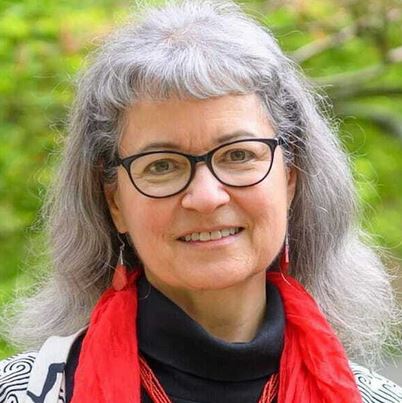
DARCiA NARVÁEZ
Darcia Narváez is Professor of Psychology at the University of Notre Dame who focuses on moral development and flourishing from an interdisciplinary perspective, integrating anthropology, neuroscience, clinical, developmental and educational sciences. Her earlier careers include professional musician, business owner, classroom music teacher, classroom Spanish teacher and seminarian, among other things. She grew up bilingual/bicultural but calls the earth her home. Dr. Narváez’s current research explores how early life experience influences wellbeing and moral character in children and adults. She is a fellow of the American Psychological Association and the American Educational Research Association and is former editor of the Journal of Moral Education She has published numerous articles and chapters, and more than 20 books, including Indigenous Sustainable Wisdom: First Nation Know-how for Global Flourishing; Basic Needs, Wellbeing and Morality: Fulfilling Human Potential and Embodied Morality: Protectionism, Engagement and Imagination. A recent book, Neurobiology and the Development of Human Morality: Evolution, Culture and Wisdom won the 2015 William James Book Award from the American Psychological Association and the 2017 Expanded Reason Award. She writes a blog for Psychology Today (“Moral Landscapes”) and hosts the webpage EvolvedNest.org.
Kindly see:
• Restoring Our Nestedness (Video | PowerPoint),
contributionn to Day Four of the 40th Annual Conference of Human Dignity and Humiliation Studies 'Global Vulnerabilities — From Humiliation to Dignity and Solidarity’, in Madrid, Spain, 17th – 20th September 2024.
• Child Humiliation, published on 22nd October 2024, subsequent to the 40th Annual Conference of Human Dignity and Humiliation Studies 'Global Vulnerabilities — From Humiliation to Dignity and Solidarity’, in Madrid, Spain, 17th – 20th September 2024. (PDF)
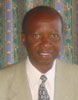
EMMANUEL NDAHIMANA
Emmanuel Ndahimana was born in 1943 in the southern town of Butare in Rwanda. Emmanuel Ndahimana studied Economic and Social Sciences at the National University of Rwanda, Economic and received his Bachelor of Arts in Economic Sciences in 1969. In 1972 he received his Licence in Economics in Fribourg in Switzerland. Later he was trained in various fields including diplomacy, project management, development banking.
Emmanuel Ndahimana served as a civil servant in Rwanda, starting in the Ministry of Economic Planning, then the Ministry of Foreign Affairs. He was Appointed Member of the Rwandan team that took part in the Lomé Convention negotiations, and was also appointed first Counsellor of the Rwandan Embassy in Belgium. In 1977, he was promoted Ambassador of Rwanda to Canada and in 1980 to Dar-es-salaam in Tanzania also covering Mozambique and Zambia. In 1983, he was elected Executive Director of the African Development Bank (ADB) with residence in Abidjan where he represented six East African countries including Rwanda, Tanzania, Kenya, Ethiopia, Uganda and Seychelles. In I987, he was appointed Managing Director of one of Rwanda's major financial institutions (BRD) that provides long term financing to private investors.
In 1990, with the beginning of the political turmoil in Rwanda, Emmanuel Ndahimana was forced to exile in Ivory Coast (ABIDJAN) until 1994.
With the end of genocide in Rwanda, he came back to his country to contribute to rebuilding the Rwandan society after the atrocious genocide. In 1997, he began serving in the Government of Rwanda as a Minister of State for Finance and Economic Planning. In 2000, he resigned from the public administration and entered in private sector, establishing his own Consulting Firm in Management of which he is also the President, specializing in project management, financial and economic analysis. In 2003, the Rwanda Liberal Party elected him as one of their Vice Presidents and in that capacity, he was elected Member of the Parliament until March 2005. He is now Vice Chairman of the Liberal Party (however, his contributions to HumanDHS do not reflect the position of the Government of Rwanda, only his own). Emmanuel Ndahimana is also member of the National Nepad Commission.
Please see:
• Emmanuel Ndahimana's paper presented at "Beyond Humiliation: Encouraging Human Dignity in the Lives and Work of All People," 5th Annual Meeting of Human Dignity and Humiliation Studies in Berlin, 15th -17th September, 2005, Ignorance and Humiliation. See a response by Laurien Ntezimana, Pour Eradiquer l'Humiliation.
• Please see a report of our conference that Evelin Lindner wrote in June and which Linda Hartling was able to cut down from 60 confidential pages to 20 public non-confidential pages. We have received clearance of our hosts, the Rwandan Commission of Reconciliation (NURC) and Emmanuel Ndahihama, to publish the final version on our website. We have reason to believe that also the President of Rwanda will read it most attentively.
• Message from Emmanuel Ndahimana (Video) at the 2020 Workshop on Transforming Humiliation and Violent Conflict, Virtual at Columbia University, New York City, December 10 – 12, 2020. See also Bishop Desmond Tutu explaining ubuntu (Video).
• "Message to the World" (Video | Video recorded on November 30, 2021), contribution to the 2021 Workshop on Transforming Humiliation and Violent Conflict, Virtual at Columbia University, New York City, December 9 – 11, 2021.
• Contribution to Dignilogue 1 (Video | Video recorded on November 13, 2021 | Pdf prepared on December 9, 2021 | Pdf prepared on November 19, 2021) of 2021 Workshop on Transforming Humiliation and Violent Conflict, Virtual at Columbia University, New York City, December 9 – 11, 2021.

METTE NEWTH Mette Newth was born in Oslo in 1942 and received her education from the National College of Art and Design in Oslo and the National Academy of Fine Arts in Oslo. She is an author, illustrator, translator. Her first book was published in 1969 and since then she has published twenty novels and picture books (some in co-operation with her husband Philip Newth) for young adults and children. Her books have been translated into 17 languages. She received numerous prizes and honours, among them 17 Norwegian, Nordic and International prizes for best book, illustrations or translation. She participated in single and collective exhibitions in galleries in Bologna/ Italy, Tokyo/ Japan, San Diego, USA, as well as in the main Nordic cities.
Mette Newth also writes non-fiction and, since 1976, has published ca. 50 essays and articles on issues of art and society in Nordic papers and magazines. Since 1979, she has been guest lecturer on literature and art related subjects at colleges and universities in Norway, the Nordic countries and internationally.
Since 1976, Mette Newth has been the Chair of the Norwegian Society for Writers of Literature for Children and Juveniles, furthermore Administrator and thereafter Chair of the Norwegian Council of Artists, as well as Chair of the Norwegian National Council of Reading and Writing, and Leader of the Norwegian Artists Organisations’ negotiations with the Norwegian Ministry of Culture on remuneration for copy rights and lending rights.
Newth has furthermore served as the Principal of the National College of Art and Design in Bergen (1989 - 1993), as the Administrator of the Norwegian Forum for Freedom of Expression (1995-1998) and as the Principal of the Oslo National College of Art (1999-2002).
Currently she holds several honorary positions, such as Member of the Advisory Council to the Norwegian Helsinki Committee, and Board Member of The Human Rights House Foundation. She is the Project Leader and Chair of the International Steering Committee for the Beacon for Freedom of Expression, an international bibliographic data base on censorship and freedom of expression through the ages - a gift from Norway to the new library of Alexandria. She is furthermore Co-Project Leader of Virvel vår verden - an interactive, mutlicultural art&learning website aimed at children and adults of all ethnic origin in Norway.
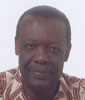
TIMOTHEE NGAKOUTOU
Timothée Ngakoutou is also a Member of the HumanDHS Research Team.
He was born in Sibut (Central-africa Republic) and is a national of Chad. He holds a Ph.D. in Psychology from the Sorbonne in Paris, and another Ph.D. in "D'Etat ès Lettres et Sciences Humaines" also from Sorbonne. He has been a Professor at the University of Chad, and the Director of the National Human Sciences Institute in Chad.
Furthermore, Timothée Ngakoutou has been the Director General of Education, Culture, Youth and Sports in Chad, and the Vice-Chancellor of the University of Chad. He has also been the Secretary General of the African Association of Psychology, as well as the Regional Adviser for Social and Human Sciences in Africa, and Head of the Regional Office of Unesco in Africa, in Dakar. He has also been Head of the Democracy and Governance Section at Unesco in Paris, and the Director of the Division of Social Sciences, Research and Policy at Unesco in Paris.

RAGNHILD NILSEN - ARCTIC QUEEN
Ragnhild Nilsen is a Founding Member of the World Dignity University initiative.
She is
a Norwegian citizen who began her education in 1979 with studying pedagogics for children in Bergen, Norway. Subsequently, in 1983, she earned a Cand. Musicol. degree in music, also from the University in Bergen. She then traveled to San Francisco to finalize an M.A. in Communication Arts and Movement Therapy from the International College.
Today, Ragnhild is a global change agent. She is Arctic Queen, an artist who uses her voice for global transformation. As a singer, she draws on the tradition of yoik, chanting, and improvisation. Please note her collaboration with Pandit (Master) Ikhlaq Hussain after they met in New York City in 2007. When she was back in Norway, Ragnhild sang a yoik, sent the recording to Ikhlaq in New York City, and he improvised to her voice. Listen to Ragnhild & Ikhlaq! See also our Music page.
Ragnhild is also reckoned as one of Scandinavia's most skilled public speakers and lecturers in the field of transformation and is a sought-after coach and communication artist.
Furthermore, Ragnhild is the author of several books, both fiction and non-fiction. As a writer, she works within the genre of "faction" and intertwines academic knowledge with poetic and practical approaches, within psychology, presentation skills, negotiation, and topics related to quality of life. In 2007, Ragnhild launched the world's first biodynamic and fairtrade cotton towels as a protest against the pesticides used on the cotton fields and the unfairness of the texitle industry. As a social entrepreneur, she is the founder of Global Fair Trade and Sekem Scandinavia.
Ragnhild has published Magic of the Everyday in Dignity Press in 2014 and The Pearl in 2012.
Please see:
• "Message to the World" (Video recorded on November 4, 2021) and "Report on Dignity Work" (Video recorded on November 4, 2021),
contribution to the 2021 Workshop on Transforming Humiliation and Violent Conflict, Virtual at Columbia University, New York City, December 9 – 10, 2021.
• Dignilogue for Leaders, Helpers, and Healers: Leadership and Healing (Video | Video of reflections after the dignilogues on Zoom), contribution to the 2024 Workshop on Transforming Humiliation and Violent Conflict, titled "Toward Dignity for All: Courageously Connecting as Leaders, Helpers, and Healers," hybrid, co-hosted online and in person by the Morton Deutsch International Center for Cooperation and Conflict Resolution at Teachers College, Columbia University, New York City, December 6, 2024.
• Ragnhild Nilsen Contributes with a Joik (Video)
• Concluding Appreciations and Inspirations (Video | expanded Video Zoom)
Ragnhild Nilsen Beacon of Dignity Award 2015
In July 2015 Ragnhild Nilsen was honored with the Beacon of Dignity Award for her longstanding work for dignity around the world. She received the award from the World Dignity University Initiative, which is part of the Human Dignity and Humiliation Studies (HumanDHS) network, for her countless efforts – and this is only one example among very many – for her volunteer work with fair trade, bringing dignity to thousands of textile workers in the world, especially in Egypt. She organized a Fashion Revolution Day on April 24, 2015, commemorating the 1320 textile workers who died in Bangladesh when their factory collapsed. She has done great work with global leadership development especially for women in countries where women do not receive adequate support. Last but not least, it is her musical dignity work as artist Arctic Queen, which is being recognized with this award. Her touching music, art installations, and beautiful poetic writing awaken us from meek complacency and move us to transformative and healing action.
We thank Ragnhild Andersen for recording this video with Ragnhild and Evelin Lindner, Founding President of HumanDHS, on 30th July 2015. The date of the official award ceremony was 28th July. The ceremony was concluded by this video event. The event took place in Flekkerøya, in the south of Norway.
Norwegian:
I juli 2015 blir Ragnhild Nilsen æret med Beacon of Dignity Award for hennes mangeårig arbeid for verdighet verden rundt. Hun får prisen fra World Dignity University initiativet, som er del av Human Dignity and Humiliation Studies nettverket, for hennes mangfoldig innsats, for eksempel for hennes frivillige arbeid med fair trade og for å gi verdighet til mange tusen tekstilarbeidere i verden, spesielt i Egypt. Hun fikk på plass Fashion Revolution Day den 24. april 2015, til minne om 1320 tekstilarbeidere som døde i Bangladesh da fabrikken deres kollapset. Hun har gjort et stort arbeid med global lederutvikling spesielt for kvinner i land hvor kvinner ikke får tilstrekkelig støtte. Sist, men ikke minst er det hennes musiske verdighets arbeid som artisten Arctic Queen som blir anerkjent med denne prisen. Hennes berørende musikk, kunstneriske installasjoner og vakre, poetiske bøker vekker oss fra feig selvgodhet og beveger oss til transformasjon og helbredende handlinger.
See here a quote from the very personal message on the occation of awarding the Beacon of Dignity Award to Ragnhild, words formulated on by Evelin in her capacity as Founding President of the global Human Dignity and Huniliation Studies fellowship 28th July 2015:
"Dearest beloved Ragnhild!
Please accept the following words, which I want to inscribe deep into your heart today! I want that the entire planet hears my words, that your family and all your friends hear these words!
You, my dearest Ragnhild, YOU are a Beacon that makes the Universe shine as never before, YOU are a Beacon of Dignity as the world has seen NONE BEFORE! I know you now since 21 years, and very few people had the opportunity to be given such deep insight into your thoughts and deeds as I do. I can attest that names such as Nelson Mandela and Mahatma Gandhi come to mind when one thinks of you!
YOU, my dearest Ragnhild, are a soul, a human being, a woman, who brings profound healing into this world, and you do this in many different ways! You do this on all levels of being and activity that is imaginable, from wonderfully artful singing, writing, and speaking, to even the most down-to-earth economic creativity!
I wish to make you cry, and I wish to make all people who are listening now, cry. I wish that you all, who listen now, cry from being touched, deeply touched in your hearts and souls, by the love that YOU, dearest Ragnhild, give to us all, give to this world. It is a love that is so unconditional, so unending, so unlimited, so deep, so universal, and so warm that only eyes of love can fathom its depth.
I feel profoundly privileged of having been allowed to be in the light of your love since 21 years, my dearest sister, and I have seen how profoundly healing your love has touched others, in the moment they opened up to it. I know, many of us are so busy, so much part of our modern 'rat-race' that we have no time to look at the sky. YOU, dear Ragnhild, you do more than look at the sky, YOU bring the sky to all of us!
This award shall honor and acknowledge you for all the years of love work and dignity work that you have gifted to us and this world, and it shall open the eyes and hearts of all those people whom you will meet on the path that your life will lead you in the coming decades. I call upon all of you, who listen now, to go to dear Ragnhild in the course of this evening, and honor her, and open your heart to the deep love that Ragnhild can teach us all.
Congratulations to YOU, dear Ragnhild, also with another recognition! We have good news for our global dignity movement: as representative of our work, I have been nominated for the 2015 Nobel Peace Prize. We are very thankful for this nomination as it is an wonderful sign of appreciation for our work. Congratulations also to YOU, dear friend, because our dignity work is based on the African Ubuntu philosophy of 'I am because of you!' and YOUR dignity work is crucial for our global dignity movement! This nomination is about encouragement for all of us."
• Please click here to see photos.
• Please click here to see the video recorded on 30th July 2015. |
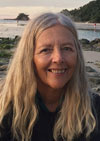
HELENA NORBERG-HODGE
Author and filmmaker Helena Norberg-Hodge is a pioneer of the local economy movement. Through writing and public lectures on three continents, she has been promoting an economics of personal, social and ecological well-being for four decades. She is a widely respected analyst of the impact of the global economy and international development on local communities, local economies, and personal identity, and is a leading proponent of ‘localization’, or decentralization, as a means of countering those impacts. For this work she was awarded the prestigious Goi Peace prize in 2012.
Helena’s seminal book, Ancient Futures, has been described as 'an inspirational classic', offering guidelines for a better future. Together with the film of the same title, it has been translated into more than 40 languages, and sold about half a million copies. She is also the producer and co-director of the award-winning film, The Economics of Happiness. Helena has written numerous articles, essays, and book chapters, and is the co-author of two groundbreaking books on food and farming: Bringing the Food Economy Home and From the Ground Up: Rethinking Industrial Agriculture.
The Earth Journal counted Helena among the world’s ‘ten most interesting environmentalists’, while in Carl McDaniel’s book Wisdom for a Liveable Planet, she was profiled as one of ‘eight visionaries changing the world’. Since 1975, she has worked with the people of Ladakh, or 'Little Tibet', to find ways of enabling their culture to meet the modern world without sacrificing social and ecological values. For these efforts she was awarded the Right Livelihood Award, or ‘Alternative Nobel Prize’.
Educated in Sweden, Germany, Austria, England and the United States, Helena specialised in linguistics, including studies at the University of London and at MIT.
She has lectured in seven languages at numerous Universities including Oxford, Harvard, Melbourne, Tokyo, Stockholm, Munich - and was Regents’ Lecturer in the Energy and Resources Group (ERG) at the University of California, Berkeley. She has also taught regularly at Schumacher College and appeared in broadcast, print and online media worldwide, including MSNBC, The London Times, The Sydney Morning Herald and The Guardian.
Helena is the founder/director of Local Futures and The International Alliance for Localization (IAL). She is also a founding member of the International Commission on the Future of Food and Agriculture, the International Forum on Globalization and the Global Ecovillage Network. She is a member of the Global University in Hong Kong.
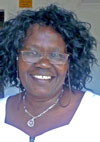
CATHERINE ALUM ODORA HOPPERS
Professor Odora Hoppers holds a South African Research Chair in Development Education at the University of South Africa. Prior to that, she was a technical adviser on Indigenous Knowledge Systems to the Parliamentary Portfolio Committee on Arts, Culture, Science and Technology (South Africa) and led the Task Team to draft the national policy on Indigenous Knowledge Systems. She was a Distinguished Professional at the Human Sciences Research Council; an Associate Professor at the University of Pretoria; a visiting Professor at Stockholm University (Sweden); Scientific Coordinator and Campus Director for the Council for the Development of Social Science in Africa (CODESRIA) Annual Social Science Campus (2006); and a recipient of an Honorary Doctorate in Philosophy from Orebro University (Sweden), and an Honorary Doctorate in Education from Nelson Mandela Metropolitan University in South Africa. She was formerly a member of the International Faculty of the United Nations International Leadership Academy (Amman-Jordan); and is a member of the Academy of Science of South Africa, and member of the Academy of Science Special Panel on the Future of Humanities. She serves as Co-Director and member of the Board of the PASCAL International Observatory (initiated by the Organization of Economic Cooperation and Development Countries (OECD)). She is a Fellow of the African Academy of Sciences (AAS).
Professor Hoppers is a scholar and policy specialist on International Development, education, North-South questions, disarmament, peace, and human security. She is a UNESCO expert in basic education, lifelong learning, and on Science and Society; an expert in disarmament at the UN Department of Disarmament Affairs; an expert to the World Economic Forum on benefit sharing and value addition protocols; and the World Intellectual Property Organisation on traditional knowledge and community intellectual property rights. She is Goodwill Ambassador for Makerere University in Kampala Uganda; and Ambassador for Non-Violence at the Durban Universities' International Centre for Non-Violence.
Please see the videos created with Catherine Odora Hoppers in May - June 2013, supported by Howard Richards, Evelin Lindner, and Justine Richards.
GEORGE OCAYA ONEN
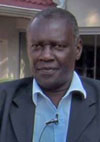
George Ocaya Onen is is Catherine Alum Odora Hoppers' brother. He is the President of MultiTech International, a firm which specialises in Applied Engineering and Appropriate Technologies in Uganda. He is a Mechanical Engineer and President of the Chartered Institute of Logistics and Transport (CILT) in Uganda. He is a Consultant to various firms and Institutions on Logistics and Transport. He also lectures part time to students on the International Certificates and Diplomas of the Chartered Institute of Logistics and Transport. He is the Chairman of Gulu Meat Producers Co-operative Society and immediate past Board Member of the Uganda Meat Producers Co-operative Union. He is Chairman of Omoro Development Forum in collaboration with the current Deputy Speaker of Parliament Right Hon. Jacob Oulanyah who represents Omoro County in the Parliament of Uganda. Following the fall from power of Idi Amin in 1979, Ocaya Onen headed a team funded by Action for Co-operation on Research and Development (ACORD) and established an Engineering Workshop in Gulu where they designed and produced agricultural equipment such as ox ploughs for the farmers in Northern and Eastern Uganda. He is involved in revitalising core values of Trust, Respect, Love, Unity and Dignity to the people of Northern Uganda. He has been Technical Manager for many International Organisations and the Co-operative Movement in Uganda. His major interest is in re-introducing humanness in action based on the core values above.
Please see the videos created for his sister in June 2013, supported by Howard Richards, Evelin Lindner, and Justine Richards.
JAN ØBERG
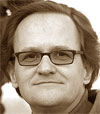
Jan Øberg is born in 1951, Danish, has a Ph.D. in sociology, and is a peace and future researcher. He is the former director of the Lund University Peace Research Institute (LUPRI), the former Secretary General of the Danish Peace Foundation, and a former member of the Danish government's Committee on security and disarmament. He is a Visiting professor at ICU and Chuo Universities in Japan and Visiting Professor for three months at Nagoya University in 2004.
Øberg is a member of the Scientific Committee of International University for Peoples' Initiatives for Peace, IUPIP, in Italy. He is Co-initiator of the Danish Highschool for Peace and the Danish Centre for Conflict Resolution. He is Member of the Advisory Board of the Toda Institute, Hawaii, and of the Tibetan Centre for Conflict Resolution in Dharamsala, India. He is furthermore editorial advisor to the Peace Review: A Journal of Social Justice. Likewise he is a member of the Advisory Boards of the Nuclear Age Peace Foundation, the President of which is David Krieger, and of the Center for Global Nonviolence in Hawaii. Oberg is listed in Marquis Who's Who? In 2005 he became a member of the Japanese Study Group on PeaceBuilding and the Mahatma Gandhi Center for Global Nonviolence at James Madison University in the United States.
His main books are Myth About Our Security, To Develop Security and Secure Development, Winning Peace (co-author), and in 2004, he published Predictable Fiasco. The Conflict with Iraq and Denmark as an Occupying Power. In 2005 he contributes a Danish textbook on psychology with a chapter on peace and conflict psychology.
His work includes some 3600 pages published in academic works, including ten books written, co-authored or edited. He publishes 300-500 pages per year, much of it on his website. He was awarded a Honorary Doctoral Degree from the Buddhist Soka University, Tokyo. He is a columnist in Nordic newspapers and regular contributor to the cultural page of Helsingborg Dagblad in Sweden.
In 2003, TFF and he was awarded the Peace Prize of the Castel Nuovo municipality in Italy that is given with reference to Dante Alighieri and rewards peace-making efforts. In 2004, he received the North-South Cultural Communication Prize from the Research Fund for the Study of the Future of North-South Cultural Communication in Rabat, Morocco. He also received the Swedish Peace Council's 2005 Small Peace Prize in April 2005.
Jan Øberg is the Co-founder of the Transnational Foundation for Peace and Future Research (TFF), together with his wife, Dr. Christina Spännar. He was the Chairman of the Board 1997-2003 and is the Director of the TFF and Head of its Conflict-Mitigation teams to ex-Yugoslavia, Georgia, Burundi and Iraq.
JORUNN ØKLAND
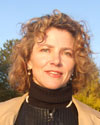
Jorunn Økland is the Director of the Centre for Gender Research at the University of Oslo, Norway, and Professor of Interdisciplinary Gender Studies in the Humanities at the Center for Gender Research (Senter for tverrfaglig kjønnsforskning, STK). She has earned her Dr. theol. from the University of Oslo, Norway. Her current research focuses on gender-critical interaction with New Testament texts, and gender-critical reception history: The Bible and Women: An Encyclopaedia of Exegesis and Cultural History, and Die Bibel und die Frauen. She is also supervising a research group with a project in Feminist Text Studies, Philosophy and History of Ideas, called Canonicity, Gender and Critique.
From 2005-2007, Jorunn was a Senior Lecturer in the New Testament in the Department of Biblical Studies at the University of Sheffield, UK. She is a Member of the Editorial Board for The Bible & Critical Theory Journal and Chair of the Council for Gender Studies in Norway, as well as a Member of the Research and Publications Committee of the Society of Biblical Literature. She is also the President of the European Association of Biblical Studies, and Chairman of the Board of KILDEN - Information Center for Gender Research in Norway. She is a Member of the steering committee for the program “Gender, Sexuality, and the Bible” of the Society of Biblical Literature, and Member of the editorial board for the Journal for the Study of the New Testament, as well as Member of the Steering Committees for the program ”Archaeology of Religion in the Roman World,” of the Society of Biblical Literature. She is Co-editor for The Bible in the Modern World Series (Sheffield Phoenix Press).

ØYVIND ØSTERUD
Øyvind Østerud earned his Ph.D. in Political Science at the London School of Economics in 1974. Since 1980, he is Professor in International Conflict Studies at the Department of Political Science of the University of Oslo. From 1993 to 1996, he was Head of Department.
Øyvind Østerud is member of the Norwegian Academy of Science, and furthermore official advisor to the Norwegian Nobel Committee since 1983. He is member of the board of numerous research institutes and associations and of several scientific journals (Cooperation and Conflict; Journal of Peace Research; Nordiques, etc.).
Østerud has been a visiting professor at LSE, London, in 1983, at the Australian National University, Canberra from 1987 to1988, and at the Université d´Aix-en-Provence in 1997. Oesterud is the convenor of international research sessions at the International Political Science Association, International Studies Association, etc.
Professor Østerud is engaged in the research program on Advanced Research of the Europeanization of the Nation-State (Norwegian Research Council). He is also engaged in a comparative Scandinavian project on Nordic democracy in historical perspective as well as in several international projects on globalization and comparative studies.
Østerud is furthermore Director and Research Leader of the Norwegian government-initiated Power Project (1998-2003), an investigation of the power structure of Norway in relation to internal and external changes and challenges (the mandate of the project was decided by the Norwegian parliament).
Østerud has published more than a hundred scientific articles and twenty books and monographs, among them: Studies of War and Peace (edited in1986) and Power and Democracy (co-editor and co-author, Ashgate, 2004).

REIDAR OMMUNDSEN
Reidar Ommundsen is Professor Emeritus in Social Psychology at the Department of Psychology of the University of Oslo in Norway. In his work, he focuses on basic and applied social psychology, including fields such as social influence, social perception, stereotypes, attribution, attitudes, prejudice, attitude measurement, social identity, cross-cultural psychology, and social psychology in its relation to health.
Professor Ommundsen has developed a number of research projects on various topics, among them on the development of attitude measures, on majority opinion and attitudes toward ethnic minorities, on social identity and prejudice, as well as on the social representation of psychological problems.
• Evelin Lindner would like to express her profound gratitude to her doctoral advisers Lee D. Ross (Stanford University), Reidar Ommundsen, and Jan Smedslund, as well as to Hilde Nafstad, Berit Ås, Karsten Hundeide, and Stephen von Tetzchner as members of the defense committee for May 25, 2001, and Astri Heen Wold for opening the initial door in 1996 as head of the Department of Psychology of the University of Oslo, Norway. Evelin also sends her deep-felt thanks to the esteemed advisers you see the Acknowledgments.
• "Do We Need Concepts such as Humiliation, Dignity, and Respect to Understand Majority/Minority Relations?," video created by Evelin Lindner on 10th May 2012 in the Valle de las Animas (Valley of the Souls) near La Paz, Bolivia, as a contribution to the seminar "Majority and Immigrants: Social Psychological Aspects" to be held on 31st May 2012 at the Department of Psychology, University of Oslo, Norway, in honour of Reidar Ommundsen. See the video in high density and MP4 format and some still pictures from 10th May.
Located 40 minutes from La Paz, at about 4,000 meters above sea-level, the Canyon and Lagoon of the Souls is a sacred place to the Aymara inhabitants of the Andean highlands who come here to offer burnt-offering ceremonies to the imposing Mountain Gods that overlook our Valley, Mount Illimani (6,438 meters above sea-level) and Mururata (5,871 meters above sea-level).

MAGGIE O'NEILL
Maggie O'Neill is also a Member of the HumanDHS Board of Directors, the HumanDHS Global Core Team, the HumanDHS Education Team, and HumanDHS Research Team, as part of the core HumanDHS Research Management Team, among others, as advisor to our Refugees and Humiliation Project. She is furthermore a Member of the Academic Board of the Journal of Human Dignity and Humiliation Studies (JHDHS).
Maggie O'Neill is a Professor in Criminology at the Department of Sociology at Wentworth College, University of York, United Kingdom, as well as Co-Chair of the Sex Work Research Hub, and Co-Chair of the UoY Migration Network. At York University, she is the Programme Director of the BA in Criminology and BA in Sociology with Criminology. Prior to that, until 2016, she was Professor in Criminology in the School of Applied Social Sciences at Durham University, UK. Until 2009, she was based in Criminology and Social Policy at Loughborough University. Prior to this she worked for eleven years in the Faculty of Humanities and Social Sciences at Staffordshire University and before that was ten years in the Department of Sociology at Nottingham Trent University. She co-edited Sociology (with Tony Spybey): the journal of the British Sociological Association from 1999-2002; she is a member of various professional associations including the National Network of Sex Work Projects and the British Sociological Association and British Criminology Association. She acts as a research consultant on community cohesion issues and has had commissions from the Home Office, and regional Local Authorities. Maggie researches the issue of prostitution, women's experiences, routes in to prostitution, and communities affected (since 1990) and forced migration (since 1998).
An expert in participatory action research (working with people, groups, communities to create change). Maggie has a reputation for developing innovative culture work to imagine new ways of understanding and articulating the experiences of crime and victimization, that breach disciplinary boundaries and expand and enliven the methodological horizons of cultural criminology. Her theoretical concept of ethno-mimesis (the inter-connection of sensitive ethnographic work and visual re-presentations) is a methodological tool as well as a process for exploring lived experience, displacement, exile, belonging, and humiliation.
Research funding has been received from the AHRB; Joseph Rowntree Foundation; Home Office; Leicester Local Authority and Local Education Authority, East Midland Arts, Nottingham Trent and Staffordshire Universities.
Please see Maggie's blog at Policy Press.
Books include:
• Adorno, Culture and Feminism (Sage)
• Prostitution and Feminism: Towards a Politics of Feeling (Polity)
• Prostitution: A Reader (Ashgate) with Roger Matthews
• Gender and the Public Sector (Routledge) with Jim Barry and Mike Dent
• Sex Work Now (Willen) with Rosie Campbell
• Asylum, Migration and Community (Policy Press, 2010)
• Transgressive Imaginations: Crime, Deviance and Culture (Palgrave, 2012), co-written with Lizzie Seal
See also:
• Humiliation, Social Justice and Ethno-mimesis, note presented at the 2005 Workshop on Humiliation and Violent Conflict, Columbia University, New York City, December 15-16, 2005
• together with Ramaswami Harindranath, Theorising Narratives of Exile and Belonging: The Importance of Biography and Ethno-mimesis in “Understanding” Asylum, in Qualitative Sociology Review, II (1, April 2006), pp. 39-52.
• Forced Migration, Humiliation and Human Dignity: Re-Imagining the Asylum-Migration Nexus through Participatory Action Research (PAR), contribution shared at the 2006 Workshop on Humiliation and Violent Conflict, Columbia University, New York City, December 14-15, 2006.
•
Re-Imagining Diaspora through Ethno-Mimesis: Humiliation, Human Dignity and Belonging (2007).
In: Reimagining Diasporas: Transnational Lives and the Media, edited by Olga Guedes-Bailey (Liverpool John-Moores University), Myria Georgiou (University of Leeds), and Ramaswami Harindranath (University of Melbourne). Published by Palgrave Publishers, UK.
• Humiliation and Human Dignity: Conducting Participatory Action Research with Women Who Sell Sex (see www.safetysoapbox.co.uk), contribution shared at the 2007 Workshop on Humiliation and Violent Conflict, Columbia University, New York City, December 13-14, 2007.
• "Making Connections: Ethno-mimesis, Migration and Diaspora," in Psychoanalysis, Culture & Society, 14, 289-302, September 2009, doi:10.1057/pcs.2009.5.
• Humiliation, Social Justice and Recognitive Communities: Thinking about the Asylum-Migration-Community Nexus in the Context of HDHS, contribution shared at the 2012 Workshop on Transforming Humiliation and Violent Conflict, Columbia University, New York City, December 6-7, 2012.
See as background:
Maggie O'Neill, Susan Mansaray (2012)
Race, Crime and Justice in the North East: Women's Lives, Well-Being and Community
Project conducted in participation with Regional Refugee Forum North East and Purple Rose Stockton.
COLIN ONG
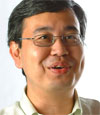
Colin Ong TS is the Managing Director of MR=MC Consulting and Founder of Mentors4Startups, which provides a global platform to introduce newly-launched companies with a professional mentoring environment. Colin is an active Social Entrepreneur and is the Singapore/Indonesia Chapter Representative of World Future Society and Chinese Representative of World Future Society. By training, he is
an Economist, having graduated from the University of Western Australia.

MICHAEL R. OTT
Michael R. Ott holds a Ph.D. in Sociology from Western Michigan University (1998) and a Master of Divinity degree from Princeton Theological Seminary (1975). In 1976, Michael was ordained a minister in the United Church of Christ and served the next 25 years as a pastor of 3 churches in Michigan. In 2002, he accepted a position as a Professor of Sociology at Grand Valley State University, where he specialized in the study, teaching and advancement of the critical theory of society and religion of the “Frankfurt School.” He incorporated this critical theoretical paradigm, which seeks the socio-historical creation of a more reconciled, humane future society, both in the church and in his courses on: Sociology/Critical Theory of Religion; Contemporary Sociological Theory; Globalization: Structures and Movements; Social Class Inequality; The Theory and Praxis of Social Change Movements; the Senior Seminar in Sociology/Capstone; Social Problems, and Christianity: Scriptures, Traditions, and Hope for the Future. Since his retirement from the university in 2015, he now works as a private researcher and writer on developing the revolutionary critique of the Critical Theory of the first generation of the Frankfurt School in addressing the contemporary crises of global capitalism and its global class-war hegemony. His publications include numerous articles and book chapters on the critical theory of society and religion, as well as five published books: Max Horkheimer’s Critical Theory of Religion: The Meaning of Religion in the Struggle for Human Emancipation (University Press of America 2001); an edited volume entitled The Future of Religion: Toward a Reconciled Society (BRILL 2007 and Haymarket Press 2009); an edited volume entitled, The Dialectics of the Religious and the Secular: Studies on the Future of Religion (BRILL 2014 And Haymarket Press 2016); and a co-authored book with Rudolf J. Siebert entitled: The Future of Religion: Creator, Exodus, Son of Man and Kingdom (2016), New Delhi: Sanbun Publishers. Michael is a Co-Director of the international course The Future of Religion, held annually since 1977 at the Inter-University Centre of Post-Graduate Studies in Dubrovnik, Croatia. He is also an Editor and Research Fellow for the Heathwood Institute and Press in the U.K. For the past 39 years, Michael has been married to Mary Louise (Pierotti) Ott, with whom they have 2 adult sons (Michael Rudolf and John Robert), and 4 grandchildren.
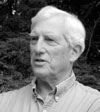
HARRISON OWEN
December 2, 1935 – March 16, 2024, yet always with us in our hearts!
Harrison Owen is President of H. H.Owen and Co. His academic background and training centered on the nature and function of myth, ritual and culture. In the middle '60s, he left academe to work with a variety of organizations including small West African villages, urban (American and African) community organizations, Peace Corps, Regional Medical Programs, National Institutes of Health, and Veterans Administration. Along the way he discovered that his study of myth, ritual and culture had direct application to these social systems. In 1977 he created H.H.Owen and Company in order to explore the culture of organizations in transformation as a theorist and practicing consultant. Harrison convened the First International Symposium on Organization Transformation, and is the originator of the Open Space Technology. He is the author of Spirit: Transformation and Development in Organizations, Leadership Is, Riding the Tiger, Open Space Technology: A Users Guide (Second Edition. Berrett-Koehler), The Millennium Organization, Tales From Open Space (editor), Expanding Our Now: The Story of Open Space Technology (Berrett-Koehler), The Power of Spirit: How Organizations Transform (Berrett-Koehler, 2000) , The Practice of Peace (Human Systems Dynamics Institute, 2003), and Wave Rider: Leadership for High Performance in a Self Organizing World (Berrett-Koehler, 2008).
See, among others:
• The Practice of Peace, Human Systems Dynamics Institute, 2004.
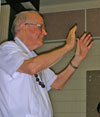
GLENN D. PAIGE
June 28, 1929 – January 22, 2017, yet always with us in our hearts!
Glenn Durland Paige is an American political scientist. He is a Professor Emeritus of political science at the University of Hawai‘i and Chair of the Governing Council of the Center for Global Nonkilling. Paige is known for developing the concept of nonkilling, his studies on political leadership, and the study of international politics from the decision-making perspective with a case study of President Harry S. Truman's decision to involve the United States in the Korean War.
In his book Nonkilling Global Political Science, Glenn D. Paige estimated that less than 0.5 percent of all humans that ever existed actually killed other humans. Also, anthropological evidence points out that in certain societies and cultures killing is down to statistically insignificant levels. As humans lived exclusively as hunter-gatherers — a form of existence that epitomizes the attributes of a nonkilling society — for 99 percent of their existence, it is also apparent that levels of violence and killing have also been very low during most of the history of Homo sapiens sapiens.
In a broad conception, nonkilling opposes aggression, assassination, autogenocide, contract killing, corporate killing, cultural genocide, death penalty, democide, domestic killings, ethnic cleansing, ethnocide, femicide, feticide, gendercide, genocide, honor killing, ritual killings, infanticide, killing, linguicide, mass murder, murder-suicide, omnicide, policide, politicide, regicide, school shootings, structural violence, suicide, terrorism, thrill killing, tyrannicide, violence, war, and other forms of killing, direct, indirect or structural.
This is Glenn Paige's summary of the vision statement of the Center for Global Nonkilling: "To promote change toward the measurable goal of a killing-free world by means open to infinite human creativity with reverence for life. This mission is it is (1) measurable, and (2) open-ended. Both finite and infinite. If the nonkilling project goes forward over the coming century it may be because of these two qualities - plus inspiration from within by the Global l Nonkilling Spirit."
Please see:
• "Are Global Dignity, Humiliation-Free, Nonkilling Societies Possible?" lecture presented at the 13th Annual Conference of Human Dignity and Humiliation Studies "World Peace through Humiliation-Free Global Human Interactions," in Honolulu, Hawai'i, August 20 to 23, 2009, supported by George Kent.
• Nonkilling Global Political Science. Revised Edition. Honolulu, HI: Center for Global Nonkilling, 2009.
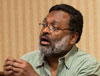
ASHOK PANIKKAR
Ashok Panikkar is a mediator, facilitator, and teacher with over 25 years of experience in the U.S.A., Europe, the Middle East, and Asia. He has specific expertise in critical and creative thinking, conflict resolution, consensus-building and dialogue processes.
He is the director of Citizen Demos an initiative designed to strengthen the values and culture of open and free democratic societies. He also founded Meta-Culture, a thinking and human engagement studio, innovating ways of using conflict and difference to build constructive inter-personal and inter-group relations.
His projects include:
1. The Garment Sector Roundtable (GSR) in India, to negotiate between the competing interests of manufacturers, buyers, trade unions, government and NGOs to help improve working conditions and sustain employment.
2. The Hindu-Muslim Meta-Dialogues a continuing attempt to address the most difficult issues of minority/ majority relations in India through complex relationship building.
Ashok Panikkar is the recipient of the 2010 Outstanding Leadership Award of the International Committee of the Association for Conflict Resolution (ACR), a member of the CBI Global Facilitators Network and a founding member of the ACCESS FACILITY for Community Company Dialogue Facilitators Forum in The Hague, Netherlands. He was a member of the Board of Directors of the New England Association of Conflict Resolution (NE–ACR) from 2004–2005 and on the Board of Directors of Mediators Beyond Borders International (MBBI) from 2010–2012. Ashok Panikkar is frequently invited as Key Note Speaker and Guest Lecturer who is passionate about the need to strengthen open and free societies.
See more on: www.citizendemos.org and www.meta-culture.in. See also his blog Rights, Slights and Free Lunches – Notes from the Edges of Democracy.
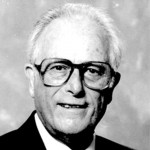
SIDNEY J. PARNES
January 5, 1922 – August 19, 2013, yet always with us in our hearts!
Dr. Sidney J. Parnes, is a Professor Emeritus from Buffalo State College and the Founding Director of the International Center for Studies in Creativity (ICSC). As the first and oldest degree granting program in creativity in the world, the foundation of ICSC dates back to Alex Osborn's seminal work in creativity education in the 1940s and 1950s. Osborn, the developer of brainstorming and the originator of the Creative Problem Solving process, saw the need for a more creative trend in American education and business. It was this vision and dream that eventually led to the establishment of the Center for Studies in Creativity in 1967. An experimental study carried out on the courses offered in the late 1960s and early 1970s, showed that those courses significantly enhanced undergraduate students' creative abilities, as well as improved their academic and nonacademic performance. Osborn's dream was fully realized when Dr. Sidney Parnes and Dr. Ruth Noller established a permanent academic home for the Creative Studies Program at Buffalo State. Sid Parnes provides an invaluable foundation for identifying challenges, generating ideas, and implementing innovative solutions.
W. BARNETT PEARCE
July 25, 1943 - November 5, 2011, yet always with us in our hearts!
Barnett Pearce was a teacher, facilitator, and theorist. He has consulted with communities and organizations, facilitated public and private meetings, and trained professionals in North and South America, Europe, Asia, Australia, and Africa. He was a Professor in the School of Human and Organization Development, Fielding Graduate Institute, a member of the Public Dialogue Consortium, and Co-Principal of Pearce Associates, Inc.
Known for his work in developing communication theory, he has written seven books and over one hundred scholarly articles and chapters. He was a Senior Visiting Fellow at Linacre College, Oxford University, in 1989, and a Fulbright Fellow in Argentina in 1997. Before joining the Fielding Institute, he was a member of the faculty at the University of North Dakota, University of Kentucky, University of Massachusetts, and Loyola University Chicago, serving as Department Chair at Massachusetts and Loyola. He was awarded the Ph.D. degree in 1969 by the College of Communication at Ohio University.
Among his publications are:
• Kimberly A. Pearce and W. Barnett Pearce (2001) "The Public Dialogue Consortium's school-wide dialogue process: A communication approach to develop citizenship skills and enhance school climate" in Communication Theory, 11, 105-123
• Kimberly A. Pearce and W. Barnett Pearce (2001) "The Public Dialogue Consortium's school-wide dialogue process: A communication approach to develop citizenship skills and enhance school climate" in Communication Theory, 11, 105-123
• W. Barnett Pearce (1998), "On Putting Social Justice in the Discipline of Communication and Putting Enriched Concepts of Communication in Social Justice Research and Practice," in Journal of Applied Communication Research, 26: 272-278
• W. Barnett Pearce and Kimberly A. Pearce (2004), "Taking a communication approach to dialogue," in Anderson, R., Baxter, L. & Cissna, K. (Eds.) Dialogue: Theorizing Difference in Communication, pp. 39-56. Thousand Oaks, CA: Sage;
• W. Barnett Pearce (2003), "Civic Maturity: Musings about a Metaphor," in Peter Park & Robert Silverman (Eds.), Fielding Graduate Institute Action Research Symposium: Alexandria, Virginia July 23-24, 2001
• W. Barnett Pearce (2001), "Toward a National Conversation about Public Issues," in William F. Eadie and Paul E. Nelson (Eds.),The Changing Conversation in America: Lectures from the Smithsonian, pp. 13-38. Sage
• W. Barnett Pearce and Stephen Littlejohn, Moral Conflict: When Social Worlds Collide, Sage, 1997
• W. Barnett Pearce, Interpersonal Communication: Making Social Worlds, HarperCollins, 1994
• Michael Weiler and W. Barnett Pearce, Eds., Reagan and Public Discourse in America, University of Alabama Press, 1991
• Uma Narula and W. Barnett Pearce, Eds., Cultures, Politics and Research Methods: An International Assessment of Field Research Methods, Erlbaum, 1990
• W. Barnett Pearce, Communication and the Human Condition, Southern Illinois University Press, 1989.
Please see also Toward Communicative Virtuosity: A Meditation on Modernity and Other Forms of Communication (Santa Barbara, CA: School of Human and Organization Development, Fielding Graduate University. Paper presented to the seminar "Modernity as a Communication Process (Is Modernity "on time?")," April 15, 2005, Department of Communications and Social and Political Theories, Russian State University for Humanities Moscow, Russia 103012).

LAURIE ANNE PEARLMAN
Laurie Anne Pearlman received her Ph.D. in clinical psychology from the University of Connecticut in 1987. She co-founded the Traumatic Stress Institute in 1986 and the Trauma Research, Education, and Training Institute (TREATI) in 1996. She is currently an independent trauma consultant based in Massachusetts. Dr. Pearlman co-chairs the complex trauma task force of the International Society for Traumatic Stress Studies, directs the clinical associates program for the Headington Institute, and serves as president of TREATI.
Dr. Pearlman has devoted her professional life to promoting the understanding of traumatic stress, its amelioration, and its impact on survivors and those who work with survivors. She has pursued these goals through research, psychotherapy, theory-building, professional training and consultations (including clinical and research supervision and organizational consultations), court evaluations, and community and crisis intervention work, at the national and international levels.
Dr. Pearlman has received awards for her clinical and scientific contributions and for her work in media and trauma from the Connecticut Psychological Association and the International Society for Traumatic Stress Studies (ISTSS). She has published numerous articles, chapters, and books on psychological trauma and on the deleterious impact of working with survivors known as vicarious traumatization, a term coined in the 1990 article she co-authored on the topic.
In recent years, Dr. Pearlman's goal has been to apply the clinical and scientific knowledge now available about traumatic stress to large groups of people. Her work with Professor Ervin Staub in Rwanda since 1999, as well as the publication in 2000 of the trauma training curriculum, Risking Connection, represent efforts to make sophisticated information about traumatic stress available to people without the on-going assistance of highly trained professionals. She is co-principal investigator on a grant entitled "Advancing healing and reconciliation, preventing retraumatization: A program for survivors of torture in Rwanda."

SONDRA PERL
Sondra Perl is a Professor at the PhD Program in English at the Graduate Center at the City University of New York. Her fields are composition theory and rhetoric, especially theories of composing and questions of voice; feminist theory, especially of writing and pedagogy; ethnography, especially urban ethnography and classrooms as sites of culture and literacy; urban education; cross-cultural dialogue; teaching as a site of inquiry; embodied knowing; creative nonfiction and memoir; Holocaust studies. Please see www.holocausteducators.org.
Plese see here:
• Where Is Dignity after the Humiliation of the Holocaust?, contribution shared at the 2009 Workshop on Humiliation and Violent Conflict, Columbia University, New York City, December 10-11, 2009.
MICHAEL L. PERLIN
Recipient of the 2012 HumanDHS Lifetime Commitment Award
Michael L. Perlin is also a Member of the HumanDHS Education Team.
Michael L. Perlin is Professor of Law Emeritus at New York Law School (NYLS), where he was director of NYLS’s Online Mental Disability Law Program, and director of NYLS’s International Mental Disability Law Reform Project in its Justice Action Center. He is co-founder of Mental Disability Law and Policy Associates, and has written 34 books and over 300 articles on all aspects of mental disability law, focusing primarily on issues related to criminal law and procedure. He has litigated at every court level from police court to the US Supreme Court, and has done advocacy work on every continent. He is the honorary life president of the International Society for Therapeutic Jurisprudence and a member of that society’s current Board of Trustees. He is also a member of the Lawrence Township (NJ) Community Concert Band, the Temple University Night Owls band, and the board of directors of the Washington Crossing (NJ) Audubon Society.
After this summary from 2021 of Michael Perlin's achievements, here is a longer description: An internationally-recognized expert on mental disability law, Michael L. Perlin has devoted his career to championing legal rights for people with mental disabilities. A prolific author of books and scholarly articles on all aspects of mental disability law and insanity defense, Professor Perlin says that his ninth book, The Hidden Prejudice: Mental Disability on Trial (2000), "represents my lifetime work." The book is an attempt to educate society about how the fear of persons with mental illness creates a hidden bias against them that prevents equal justice, a form of discrimination he calls "sanism." In his book and his other work, he speaks out against "sanism," which he defines as "the irrational prejudice that causes, and is reflected in, prevailing social attitudes toward persons with mental disabilities."
Michael Perlin serves on the Board of Directors of International Academy of Law and Mental Health and lectures frequently in Central and Eastern Europe and elsewhere on international human rights and mental disability law. He testifies in trials as expert witness on questions of effectiveness of counsel in cases involving mentally disabled criminal defendants.
His courses address Civil Procedure, Criminal Law & Procedure: The Mentally Disabled Defendant, Criminal Procedure: Adjudication Mental Disability Litigation Seminar & Workshop, Mental Health Law, and Therapeutic Jurisprudence.
His educational background is as follows: Rutgers, A.B. 1966, magna cum laude, Phi Beta Kappa, Columbia, J.D. 1969, Harlan Fiske Stone Scholar (Kent Commentaries, Managing Editor), Law Clerk, Hon. Sidney Goldmann, Appellate Division, Superior Court of New Jersey, Law Clerk, Hon. Ralph L. Fusco, Law Division, Superior Court of New Jersey.
A teacher-lawyer-advocate who advises mental health professionals, hospitals, advocates, activists, lawyers, and governments, Professor Perlin has worked directly on mental disability cases as a deputy public defender and as director of the Division of Mental Health Advocacy in the New Jersey Department of the Public Advocate. He has witnessed the complexities and frustrations facing both judges and attorneys with such cases.
Professor Perlin travels around the globe to speak out about the legal rights of people with mental disabilities. In conjunction with Mental Disability Rights International, a U.S.-based human rights advocacy organization, he has presented mental disability training workshops in Hungary, Estonia, Latvia, Poland, Bulgaria, and Uruguay. As part of his work with the Justice Action Center, he has traveled twice to Taiwan in an effort to help create a pan-Asian mental disability advocacy network.
In 2002, he helped organize a symposium at New York Law School on "International Human Rights Law and the Institutional Treatment of Persons with Mental Disabilities: The Case of Hungary." It was the first such U.S. gathering, bringing together prominent activists, advocates, and attorneys to look at the application of international human rights law to improve the treatment of people with mental disabilities.
His multivolume treatise, Mental Disability Law: Civil and Criminal (Lexis Law Publishing, 1998-2003), which was first published in 1989 by Michie, won the 1990 Walter Jeffords Writing Prize; the five-volume second edition of that treatise won the Otto Walter Writing Award in 2003 and is the indispensable authority for legal practitioners. Another book, The Jurisprudence of the Insanity Defense (Carolina Academic Press, 1994), won the Manfred Guttmacher Award of the American Psychiatric Association and the American Academy of Psychiatry and Law as the best book of the year in law and forensic psychiatry in 1994-95. He was given the American Academy of Psychiatry and Law's Amicus Award in 1998.
Since he joined the faculty in 1984, Professor Perlin has helped build the course offering in his legal specialty at New York Law School to such an extent that it now leads the nation in mental disability law curricula. He created and teaches the first online courses on mental disability law, offered to students here, at other U.S.-based law schools, as well as in Japan and in Nicaragua. There are currently four courses in the online program, and more will be added in the immediate future.
Professor Perlin has many other passions outside the law, including the clarinet, fishing, and the music of Bob Dylan.
Please see:
• "Dignity was the First to Leave": Godinez v. Moran, Colin Ferguson, and the Trial of Mentally Disabled Criminal Defendants," in Behavioral Sciences and the Law, 14, 1996, pp. 61-81.
• "Friend to the Martyr, a Friend to the Woman of Shame": Thinking About The Law and Humiliation, his presentation presented at the 2006 Workshop on Humiliation and Violent Conflict, Columbia University, New York City, December 14-15, 2006.
Please see here a collection of the following papers:
• An Internet-based Mental Disability Law Program: Implications for Social Change in Nations with Developing Economies, 30 Fordham Int'l L.J. 435 (2007)
• "And My Best Friend, My Doctor/ Won't Even Say What It Is I've Got : The Role and Significance of Counsel in Right to Refuse Treatment Cases, 42 San Diego L. Rev. 735 (2005)
• "Everything's a Little Upside Down, As a Matter of Fact the Wheels Have Stopped": The Fraudulence of the Incompetency Evaluation Process, 4 Houston J. Health L. & Pol'y 239 (2004)
• "She Breaks Just Like a Little Girl: Neonaticide, The Insanity Defense, and the Irrelevance of Ordinary Common Sense, 10 Wm. & Mary J. Women & L. 1 (2003)"Life Is In Mirrors, Death Disappears": Giving Life to Atkins, 33 N. Mex. L. Rev. 315 (2003)
• "You Have Discussed Lepers and Crooks": Sanism in Clinical Teaching, 9 Clinical L. Rev. 683 (2003)
• "Things Have Changed": Looking at Non-institutional Mental Disability Law Through the Sanism Filter, 46 N.Y.L. Sch. L. Rev. 535 (2002-03)
• "Chimes of Freedom": International Human Rights and Institutional Mental Disability Law, 21 N.Y.L. Sch. J. Int'l & Comp. L. 423 (2002)
• "What's Good Is Bad, What's Bad Is Good, You'll Find out When You Reach the Top, You're on the Bottom": Are the Americans with Disabilities Act (and Olmstead v. L.C.) Anything More than "Idiot Wind"?, 35 U. Mich. J. L. Ref. 235 (2001-02)
• Stepping Outside the Box: Viewing Your Client in a Whole New Light, 37 Cal. West. L. Rev. 65 (2000).
• A Law of Healing, 68 U. Cin. L. Rev. 407 (2000).
• Therapeutic Jurisprudence and the Civil Rights of Institutionalized Mentally Disabled Persons: Hopeless Oxymoron or Path to Redemption? 1 Psychology, Pub. Pol'y & L. 80 (1995) (with Prof. Keri K. Gould and Deborah A. Dorfman, Esq.)
• On Sanism, 46 SMU L. Rev. 373 (1992)
• Competency, Deinstitutionalization, and Homelessness: A Story of Marginalization, 28 Hous. L. Rev. 63 (1991).
•
International Human Rights and Comparative Mental Disability Law: The
Role of Institutional Psychiatry in the Suppression of Political Dissent, in Israel Law Review, 39, pp. 69–97, 2006.
• Humiliation and the Criminal Justice System: How Our Desire to Humiliate Contributes to Recidivism and, Ultimately, Injures Victims, presentation presented at the 2007 Workshop on Humiliation and Violent Conflict, Columbia University, New York, December 13 – 14, 2007.
• A Therapeutic Jurisprudence Inquiry Into the Roles of Dignity and Humiliation in the Law, contribution shared at the 2009 Workshop on Humiliation and Violent Conflict, Columbia University, New York City, December 10 – 11, 2009.
• Understanding the Intersection Between International Human Rights and Mental Disability Law: The Role of Dignity, contribution shared at the 2011 Workshop on Humiliation and Violent Conflict, Columbia University, New York City, December 8 – 9, 2011.
• Considering the "Alternative Jurisprudences" as a Tool of Social Change to Reduce Humiliation and Uphold Dignity, contribution shared at the 2012 Workshop on Transforming Humiliation and Violent Conflict, Columbia University, New York City, December 6 – 7, 2012.
• "Friend to the Martyr, A Friend to the Woman Of Shame": How the Adoption of Therapeutic Jurisprudence Best Ensures Dignity and Ends Humiliation, presentation given at the 2013 Workshop on Transforming Humiliation and Violent Conflict, Columbia University, New York City, December 5 – 6, 2013. See a revised version co-authored with Naomi Weinstein, Esq., titled, "Friend to the Martyr, a Friend to the Woman of Shame": Thinking About the Law, Shame and Humiliation," posted under filename SSRN-id2380701 at the Social Social Science Research Network on January 17, 2014.
• Sexuality, Shame, Disability and Therapeutic Jurisprudence, paper shared at the 2014 Workshop on Transforming Humiliation and Violent Conflict, Columbia University, New York City, December 4 – 5, 2014.
• co-authored with Naomi Weinstein (2014): "Friend to the martyr, a friend to the woman of shame”: Thinking about the law, shame and humiliation, Southern California Review of Law and Social Justice, September, pp. 1-51, an excerpt from this paper was presented at the Human Dignity & Humiliation Studies Network Conference, at the Morton Deutsch International Center for Cooperation and Conflict Resolution of Columbia University, December 6, 2013.
• co-authored with Alison Lynch (2015): “Had to be Held down by Big Police”: A Therapeutic Jurisprudence Perspective on Interactions between Police and Persons with Mental Disabilities (Pdf | video 1, video 2), abstract shared at the 2015 Workshop on Transforming Humiliation and Violent Conflict, Columbia University, New York City, December 3 – 4, 2015.
• co-authored with Alison Lynch (2016): “She’s Nobody’s Child/The Law Can’t Touch Her at All”: Seeking to Bring Dignity to Legal Proceedings Involving Juveniles, abstract shared at the 2016 Workshop on Transforming Humiliation and Violent Conflict, Columbia University, New York City, December 8 – 9, 2016.
• Dignity and the Nobel Prize: Why Bob Dylan Was the Perfect Choice (Video | Pdf), reflections shared at the Public Event of the 2016 Workshop on Transforming Humiliation and Violent Conflict, at Columbia University, Teachers College, New York City, on December 8, 2016.
• co-authored with Alexander J. Perlin and Alison Lynch (2017): "Them Who Are Slandered and Humiliated": How Marijuana Arrest Patterns Perpetuate a Racist Criminal Justice System and Shame and Humiliate Minority Youth (Video | Pdf), contribution to the 2017 Workshop on Transforming Humiliation and Violent Conflict, Columbia University, New York City, December 7 – 8, 2017.
• See a video collection on the conditions at psychiatric hospitals around the world. See a related article, Michael L. Perlin, "'Your Old Road Is/ Rapidly Agin': International Human Rights Standards and Their Impact on Forensic Psychologists, the Practice of Forensic Psychology, and the Conditions of Institutionalization of Persons with Mental Disabilities," Washington University Global Studies Law Review, 17 (1), 79–111. This article is an outgrowth and revision of the Lynn Stuart Weiss lecture (sponsored by the American Psychology-Law Society and the American Psychology Foundation) that Michael Perlin presented at the American Psychology Association annual conference in Denver, August 2016. It's basically a critique of how organized psychology has remained silent in the face of ongoing violations of international human rights law at institutions both in the US and elsewhere. The last twelve pages explicitly explains how this failure of action violates therapeutic jurisprudence.
• co-authored with Alison Lynch (2018): A Therapeutic Jurisprudence Deconstruction of Seclusion and Restraint Law: Thinking About Humiliation, Shame and Dignity (Video | Pdf), contribution to the 2018 Workshop on Transforming Humiliation and Violent Conflict, Columbia University, New York City, December 6 – 7, 2018.
• co-authored with Heather Cucolo (2019): How to Provide Dignity for Persons with Autism in the Criminal Justice Process (Pdf | Video), contribution to the 2018 Workshop on Transforming Humiliation and Violent Conflict, Columbia University, New York City, December 5 – 6, 2019.
• "Dignity and Therapeutic Jurisprudence: How We Can Best End Shame and Humiliation." In Human Dignity: Practices, Discourses, and Transformations: Essays on Dignity Studies in Honor of Evelin G. Lindner. Edited by Chipamong Chowdhury, Michael F. Britton, and Linda M. Hartling. Chapter 6. Lake Oswego, OR: Dignity Press, 2019.
• "Message to the World" (Video | Text | Video recorded on December 7, 2020) delivered at the 2020 Workshop on Transforming Humiliation and Violent Conflict, Virtual at Columbia University, New York City, December 10 – 12, 2020.
• "In These Times of Compassion When Conformity's in Fashion": How Therapeutic Jurisprudence Can Root out Bias, Limit Polarization and Support Vulnerable Persons in the Legal Process (Video), contribution shared at the 2021 Workshop on Transforming Humiliation and Violent Conflict, Virtual at Columbia University, New York City, December 9 – 11, 2021.
NOSSRAT PESESCHKIAN
18th June 1933 - 27th April 2010, but always with us in our hearts!
Prof. Nossrat Peseschkian, M.D., Ph.D., is a specialist in Psychiatry, Neurology and Psychotherapeutic Medicine. He is Professor for Psychotherapy and Psychosomatic Medicine at the Academy for Continuing Education at the State Medical Association for Hessen, Germany (since 1971).
Prof. Peseschkian is the founder of Positive Psychotherapy (since 1968). Positive Psychotherapy is based on a psychodynamic concept with a humanistic conception of man and a transcultural approach. It is a resource-oriented and conflict-centered modality of psychotherapy.
As an international lecturer he has traveled to 67 countries worldwide. A global network of about 100 local, regional and national Centres and Representatives of Positive Psychotherapy has been established in 33 countries to date, Certificate Courses about this modality are available in many countries.
Prof. Peseschkian is President of International Academy of Positive Psychotherapy and Cross-Cultural Psychotherapy – Peseschkian Foundation – (IAPP) and President of the Word Association of Positive Psychotherapy (WAPP).
Prof. Dr. med. Peseschkian is the author of 27 books, which are partly translated into 24 different languages. He was awarded the Richard-Merten-Prize in 1997 for Quality Assurance and Effectiveness Study of Positive Psychotherapy. In 2006 he was distinguished with Bundesverdienstkreuz (Order of Merit) – Distinguished Service Cross of the Federal Republic of Germany.
European Federation of Centers for Positive Psychotherapy (EFCPP) is an European Wide Accrediting Organization (EWAO) and IAPP as an European Accredited Psychotherapy institute (EAPTI) of European Association for Psychotherapy.
See here The Development of Positive Psychotherapy as developed by Nossrat Peseschkian.
SVANIBOR PETTAN
Svanibor Pettan founded the study of ethnomusicology in Slovenia, and is one of the leading researchers of applied ethnomusicology in the world. Professor and Chair of the Ethnomusicology Program at the Department of Musicology of the University of Ljubljana, Slovenia, he is the General Secretary of the International Council for Traditional Music (ICTM). He received his B.A. degree in musicology from the University of Zagreb, Croatia, M.A. in musicology from the University of Ljubljana, Slovenia, and Ph.D. in ethnomusicology from the University of Maryland, USA. These three studies are based on fieldwork in Zanzibar, Egypt, and Kosovo respectively; he also conducted research in Slovenia, Croatia, Norway, Australia, and USA.
After valuable experiences at the Croatian Radio’s Folk Music Department and at the Institute of Ethnology and Folklore Research in Zagreb, he since 1995 holds regular teaching positions at the University of Ljubljana: first at the Music Academy and from 2003 on at the Faculty of Arts' Department of ethnology and cultural anthropology and most recently Department of musicology. Dr. Pettan’s visiting professorships include teaching at the universities of Illinois, Maribor, Oslo, Pula, Zagreb, and Washington. His posts include membership in the executive boards of the International Council for Traditional Music and the Cultural Society Folk Slovenia, and membership in several international editorial boards (Continuum Encyclopedia of Popular Music of the World, Ethnomusicology Forum, Music and Arts in Action, Narodna umjetnost, Traditiones, The World of Music). He serves as chair of the ICTM study group on applied ethnomusicology and vice-chair of the study group on music and minorities. The prevalent themes in his studies include music in the contexts of politics and war, multiculturalism and music of minorities, and theory and practice of applied ethnomusicology. Among his recent projects is a tetralogy dedicated to Romani (Gypsy) musicians in Kosovo (book, picture exhibition, film, CD-ROM).
Selected publications:
•Music, Politics, and War: Views from Croatia (ed., 1998),
• Music and Music Research in Croatia (= The World of Music 3, ed., 1998),
• Glasba in manjšine/Music and Minorities (co-ed., 2001),
• Kosovo Roma (2001), Roma muzsikusok koszovóban: Kölcsönhatás és kreativitás/Rom Musicians in Kosovo: Interaction and Creativity (2002),
• “Male, Female, and Beyond in Culture and Music of the Roma in Kosovo”, in Music and Gender: Perspectives from the Mediterranean, ed. by T. Magrini (2003),
• “Balkan Boundaries and How to Cross Them: A Postlude” in Balkan Popular Culture and the Ottoman Ecumene: Music, Image, and Regional Political Discourse, ed. by D. Buchanan (2007),
• Applied Ethnomusicology (= Musicological Annual 44/1, ed., 2007),
• “Music in War, Music for Peace: Experiences in Applied Ethnomusicology”, in Music in Conflict, ed. by J. Morgan O’Connell and S. el-Shawan Castelo Branco (forth., 2009).
THOMAS M. (TOM) PICK
It was his experiences as a child and as a young adult which impelled Thomas M. (Tom) Pick to develop an interest in healing rifts between people on all levels, from individuals to nations. His mother was Austrian Catholic, his father Hungarian Jewish, and he survived the Holocaust by deserting from the labour battalion that was being marched to the then German border. This etched the imperative of ‘Never Again’ in his mind.
Having studied the Social Sciences and Clinical Psychology in Budapest, Hungary, then, after leaving as a political refugee, in Zurich, Switzerland, and Melbourne, Australia, and having earned the degrees of B.A.(Hons.), Academic Diploma in Psychology and Ph.D., he first worked as a Senior Tutor in the School of Psychology, University of Melbourne.
Then he was a school psychologist in the British tradition, but with emphasis on the clinical rather than on the educational aspects of adjustment. Next he was working in a Child Guidance clinic in Sydney while also being Honorary Psychologist to the major teaching hospital.
Next he was Assistant and later Associate Professor in Psychology at Old Dominion University in Norfolk, Virginia, U.S.A., while also maintaining a private practice with a focus on psychotherapy with children, adolescents, and adults. There was a gradual shift towards him working increasingly with adults, singly and as couples, as well as doing group therapy. Subsequently he was appointed Chief Psychologist in the Commonwealth of Massachusetts, again maintaining a private practice concurrently. Throughout his professional life he has been trying to avoid specialisation, to remain a generalist in orientation.
Tom has returned to his native country in 1992, working mainly in private practice, with teaching engagements at ELTE in Budapest as well as the universities of Szeged and of Debrecen and also at the Sapientia University in Tirgu Mures, Romania. The subject matter was mainly violence and terrorism. He has also conducted clinical workshops in a number of European countries, in the U.S.A., and also in Australia and in New Zealand.
In addition to clinical work and academic teaching he has also been engaged in doing psycho-social community work such as leading a team in ethnic Hungarian areas in Croatia doing community rebuilding after the civil war in the former Yugoslavia.
He offers short- and long-term psychotherapy for all problems that are psychological or have a major psychological component. His orientation is eclectic, the basic orientation being psychodynamic and social psychological. He also uses some recent techniques such as Energy Psychology.
The international professional organisations he has been most active in are the European Society for Traumatic Stress Studies where he was a Board member 1995-2001, and Systems-in-Transition (the members are social scientists of various ilks, including psychiatrists and psychologists) where he was Chairman of the Board until 2007.
Some publications running the gamut of his professional interests:
• (1956) A Critique of Current Methods of Rorschach Scoring. Journal of Projective Techniques, 20, 318-325.
• (1961) Behavior Theory and Child Guidance. Journal of Child Psychology and Child Psychiatry, 2, 136-147.
• (1963) Modern Physics and Psychology. British Journal of Medical Psychology, 36,
118-125.
• (1986) A Fusion-Separation Model of Psychotherapy. Psychotherapy, 23,
390-394.
• (1993) Enemy Images. History and Politics: The Bratislava Symposium #3, 35-41.
• (1997) Eastern European Militant Nationalism: Some Causes and Measures to Counteract it. Peace and Conflict: Journal of Peace Psychology, 3, 383-393.
• (1999) A Note on a Relationship between Personal and Societal Problems. Psychiatry, 62, 196-208.
• (2001) The Myth of the Trauma / The Trauma of the Myth: Myths as Mediators of Some Long-term Effects of War Trauma. Peace and Conflict: Journal of Peace Psychology, 3, 201-226.

SUSAN L. PODZIBA
Susan L. Podziba is a public policy mediator and is known for designing processes to fit the unique characteristics of given conflicts and situations. Over the past twenty years, she has mediated scores of complex public policy cases in areas involving international relations, governance, environmental disputes, land use and development decisions, transportation planning, labor standards, public health, and education policy. She founded Susan Podziba & Associates in 1990, has been affiliated with the MIT-Harvard Public Disputes Project of the Program on Negotiation at Harvard Law School since 1986, where she is currently a Practitioner Associate, and is a Past President of the New England Society of Professionals in Dispute Resolution.
Ms. Podziba was a Lecturer at the Massachusetts Institute of Technology's Department of Urban Studies and Planning from 1996-2002, where she taught graduate courses in public policy negotiation and conflict resolution. She taught at the Program On Negotiation at Harvard Law School from 1999-2002, where her students included professionals from six continents. Examples of Ms. Podziba's past and recent projects include:
• a negotiated rulemaking to develop national worker safety standards for construction cranes and derricks for the Occupational Safety and Health Administration of the U.S. Department of Labor;
• a negotiated rulemaking process to develop the All Appropriate Inquiry Standard (CERCLA §101(35)(B)) for the U.S. Environmental Protection Agency as required under the Small Business Liability Relief and Brownfields Revitalization Act;
• a workshop on environmental and land use mediation for Finnish government officials and academics seeking to learn better ways to implement the Finnish Land Use and Building Act of 1999;
• a dialogue on abortion among Massachusetts pro-life and pro-choice leaders, initiated at the request of the Governor and Archdiocese of Boston after fatal attacks at two women's health clinics; and
• the design and implementation of a consensus process to develop a city charter for Chelsea, MA, which was under state receivership.
Ms. Podziba has written and published numerous articles on negotiation, mediation, and consensus-building, and her work has been showcased by media outlets such as The Washington Post, Christian Science Monitor, The Boston Globe, FastCompany, National Public Radio, and affiliates of all major television networks.Ms. Podziba received her B.A. in philosophy from the University of Pennsylvania and a Masters in City Planning from the Massachusetts Institute of Technology.
Please see The Human Side of Complex Public Policy Mediation, paper presented at the 2004 Workshop on Humiliation and Violent Conflict, Columbia University, New York City, November 18-19, 2004.
GERD INGER POLDEN
Gerd Inger Polden looks back on many years of experience as a journalist with the Norwegian television, NRK. Gerd Inger studied languages at the University of Bergen and obtained her specialization in television work through internal courses at the NRK. Since 1974, she has produced/directed numerous TV-programs and has created documentary films for educational purposes and on general affairs.
Gerd Inger Polden’s documentaries are characterized by a critical stance towards social problems. She has particularly focused on the status of women and minorities. Her aim is to contribute to tolerance and the understanding and promotion of human rights. In recent years, she has created a number of documentaries in Africa, two of which have been awarded international prizes, from Japan (1997) and Geneva (in 2000). She is now doing prime time investigative documentaries in NRK.
Her film The Dream of Knowledge (1999, NRK) documents how the discontinuation of the practice of female genital cutting in a number of Senegalese villages is being achieved not as a result of applying pressure or punishment, but voluntarily. The film accompanies an NGO team that embeds their educational work within an atmosphere of respect. Thus, the film presents a "success story" of how cycles of humiliation can be left behind; the documentary shows how the discontinuation of practices that are experienced as humiliating is achieved by methods that do not humiliate the "perpetrators." Education and discussion enables them to reach their own decision to end harmful practices.
JOSEPH PRABHU
Joseph Prabhu has been teaching at CSLA since 1978, although he has also in that time been a visiting professor at UCBerkeley, UC Santa Barbara, Harvard, Occidental College, Boston University and universities in India and Germany. His interests are quite broad, spanning metaphysics and ethics to comparative religion and social and political theory. He is working on three books, in various stages of completion: Liberating Gandhi: Community, Empire and a Culture of Peace, Human Rights in Cross-Cultural Perspective and Hegel, India and the Dark Face of Modernity. Broadly speaking, his interests are in bringing philosophical and spiritual perspectives to bear on ethical and political issues. His approach is both interdisciplinary and cross-cultural. He used to co-edit the journal "ReVision," a quarterly dealing with issues of philosophy, spirituality and psychology, and is active in peace, human rights and inter-religious movements, local, national and international. He has been a Senior Fellow at the Center for the Study of World Religions at Harvard University and at the Martin Marty Center of the University of Chicago.
In terms of professional responsibilities, he is the President of the Society of Asian and Comparative Philosophy (2008-2010), Member, Board of Trustees, Council for a Parliament of the World's Religions, and the Program Chair for the Melbourne Parliament, 2009, the Program Chair of the Philosophy of Religion section of the American Academy of Religion, and the local (Los Angeles) Chair of the Southern California Committee for a Parliament of the World's Religions (SSCPWR). He is also active in the Interfaith Communities United for Justice and Peace (ICUJP).
MICHAEL PROSSER
Michael H. Prosser, Ph.D. (University of Illionis), a founder of the field of intercultural communication in North America, is a Professor Emeritus at the University of Virginia (1972-2001); the former William A. Kern and Distinguished Professor at the Rochester Institute of Technology (1994-2001); Fublright Professor at the University of Swaziland (1990-91); Associate Professor at Indiana University (1969-1972), Assistant Professor at the State University of New York (1963-69) Professor in the US. In China he was Professor at Yangzhou University (2001-2002); Distinguished Professor at Beijing Language and Culture University (2002-05), Distinguished Professor Emeritus at the Shanghai International Studies University (2005-09), where he remains Chair of its Intercultural Institute's International Advisory Board and Senior Co-editor of the Intercultural Research Series; and Distinguished Professor at Ocean University of China (spring 2011; and faculty coordinator for the Life Long Learners on the University of Virginia/Institute for Shipboard Educatio Semester at Sea (autumn 2011).
His published books include Readings in Classical Rhetoric (1969); An Ethic for Survival: Adlai Stevenson's Address on International Topics, 1936-1965 (1969); Sow the Wind: Reap the Whirlwind: Heads of State Address the United Nations (2 volumes, 1970); Intercommunication among Nations and Peoples (1973); Readings in Medieval Rhetoric (1973), The Cultural Dialogue: An Introduction to Intercultural Communication (1978, 1985, 1989; translated into Japanese, 1982, translated into Chinese, 2013), USIA Intercultural Communication: Proceedings, 1977 (1978), Diplomatic Discourse: International Conflict at the United Nations (1997); Civic Discourse: Multiculturalism, Cultural Diversity, and Global Communication (1998); Civic Discourse: Intercultural, International, and Global Media (1999); Sino-American Topics of Shared Interest (2003); Intercultural Perspectives on Chinese Communication (2007); Communicating Interculturally (2012); Value Frameworks at the Theoretical Crossroads of Culture: Intercultural Research, Vol. 4 (2012), Values Dimensions and Their Contextual Dynamics across Cultures: Intercultural Research, Vol 5 (2013); Finding Cross-cultural Common Ground (2013); and Social Media in Asia (2013).
Prosser was the series editor for "Civic Discourse for the Third Millennium," Ablex/Praeger/Greenwood Publishers, with 17 books published, 1998-2004 (see www.michaelprosser.com).
His recent authored or coauthored academic articles include topics such as Obama as a culturally transformational figure; G2: Chinese and English; Contemporary Chinese Youth; review of Middle East books; review of books on China; and universal human rights as universal values. He is coeditor of "Special Issue: Early American Pioneers of Intercultural Communication," International Journal of Intercultural Relations, November, 2012; pp. 743-901.
Recipient of an Outstanding Alumnus Award from Ball State University (1978), and President of the International Society for Intercultural Education, Research, and Training (1984-86), he has received awards from the Society in 1986 and 1990, Prosser is a member of the edittorial board of Journal of Middle Eastern and Islamic Studies (in Asia). The recipient of awards from the China Association of Intercultural Communication (2009, 2011), he has been a keynoter at more than a dozen Chinese communication conferences, featured in Chinese Talent Semimonthly Magazine (2005) (in Chinese) and was frequently featured on China Central TV "Dialogue Programs," China Radio International "People in the Know" programs, and Internaional Shanghai Channel.
He is listed in the Marquis Who's Who in American Education, Who's Who in America, Who's Who in Asia, and Who's Who in the World. He is a Fellow in the International Academy of Intercultural Researchers.
Prosser is the father of three, and grandfather of nine.
See
Peter Zhang Long's MA thesis at the Shanghai International Studies University, Investigations into the Influence of an Intercultural Communication Founder--Michael H. Prosser and His Contemporary Scholars (2009), and Laura Gosten's essay, "The Journey of an Intercultural/International Scholar" (2007) both located in www.michaelprosser.com, as well in www.Baidu.com, www.Bing.com, www.Google.com, and www.Yahoo.com.
Michael Prosser is available as a lecturer on contemporary China, contemporary Chinese youth, global media and culture, intercultural and international communication, rhetoric and public discourse, and the United Nations. Contact: michaelhprosser [@] hotmail.com.
Together with Li Mengyu, Michael Prosser has published Chinese Communicating Interculturally in Dignity Press, and together with Cui Litang Social Media in Asia, both in 2014. Together with Mansoureh Sharifzadeh, and Zhang Shengyong, he published Finding Cross-cultural Common Ground in Dignity Press in 2013.
Please see:
• Prosser, Michael H., Sharifzadeh, Mansoureh, and Shengyong, Zhang (Coeditors) (2013). Finding Cross-cultural Common Ground. Lake Oswego, OR: World ignity Universiy Press (Mansoureh Sharifzadeh is a former teacher of English for the Ministry of Education, Tehran, and Zhang Shengyong is a teacher of English at Dezhou University, Shangdong Province, China.
• Michael H. Prosser, Ph.D., Being There: The Intercultural Communication Field: A Founder: North America: 1970-2013; China; 2001-2013”; Keynote Address, The International Academy for Intercultural Research (IAIR) Biennial Conference, Reno, Nevada, June 23-27, 2013, www.michaelprosser.com (post 1731).
• Michael H. Prosser, Ph.D., Public Professional Conversation with Dr. Francisco Cardoso Gomes de Matos, Dignity and Peace Linguist, Recife, Brazil, November 28, 2013 (Post 2018)
• Wikipedia site
JEAN H. QUATAERT
(October 24, 1945 – May 25, 2021, but always with us in our hearts!)
Jean H. Quataert, Ph.D., author of Advocating dignity: Human Rights Mobilizations in Global Politics, is Professor of History and Women’s Studies at Binghamton University, SUNY. She takes graduate students in modern German History but is committed to broadening their training beyond the borders of Europe, by encouraging a field in comparative history or by analyzing German/European developments in their wider global contexts or by innovative methodological work that spans distinct cultures. On the undergraduate level, she teaches Modern World History and encourages her graduate students to work with her as Teaching Assistants to become involved in expanding this important new teaching field. Jean Quataert also offers a minor field in human rights history.
Please see:
• Human Rights, Social Change, and History, contribution shared at the 2009 Workshop on Humiliation and Violent Conflict, Columbia University, New York City, December 10-11, 2009.
• Thoughts on Global History and Human DHS: A Short Statement about Global History, Binghamton University, NY, Binghamton University, December 2009
• Global History Colloquium of the Modern Age, HIST 501F, Binghamton University, NY, Binghamton University, December 2009

LOURDES R. QUISUMBING
(Dear Lourdes was born on February 13, 1921 and passed away on October 14, 2017 at the age of 96, yet, she will always be with us in our hearts!)
Lourdes R. Quisumbing is the President of the Asia-Pacific Network for International Education and Values Education (APNIEVE). UNESCO-APNIEVE was established in 1995 with the major objectives to promote and develop international education and values education for peace, human rights, democracy and sustainable development through inter-country co-operation among individuals and institutions working in these fields.
APNIEVE has developed two sourcebooks, Sourcebook No. 1 is entitled, Learning to Live Together in Peace and Harmony and Sourcebook No. 2 entitled Learning To Be: A Holistic and Integrated Approach to Values Education for Human Development, Core Values and the Valuing Process for Developing Innovative Practices for Values Education toward International Understanding and a Culture of Peace (2002)
Lourdes Quisumbing has combined several careers in her life, both nationally and internationally. Lourdes R. Quisumbing gained her Ph.D. while devoting herself to her family, her husband and their nine children, then served as the Secretary of Education in the Philippines during the administration of Cory Aquino, and subsequently Secretary General of the Philippine UNESCO National Commission. She was elected Philippine Representative to the UNESCO as Member of the Executive Board in Paris. She continues to be active in the educational institutions in her country heading a team of experts to evaluate graduate centers all over the Philippines and conducts training workshops for teachers in Asia-Pacific.
Please see here Citizenship Education for Better World Societies: A Holistic Approach,
paper read at the 8th UNESCO APEID International Conference on Education,
29 November 2002, Bangkok, and, furthermore, Educating Young Children for a Peaceful World, Second World Forum on Early Care and Education,
16-19 May 2000, Singapore. See also Values Education for Human Solidarity.
BARBARA AND BOB RANDALL
(Dear Bob was born ca. 1927 and passed away on 12th May 2015, yet he will always be with us in our hearts!)
Bob Randall was born around 1927 in the Central Desert region of the Northern Territory (NT), Australia. He is a “Tjilpi” (special Uncle) of the Yankunytjatjara Nation and is one of the listed traditional keepers of the great monolith, Uluru. At about age 7, young Bob was taken away from his mother and family under government policy which forcibly removed all half-caste (half-Aboriginal) children from their families and placed them in institutions. He was one of thousands of Aboriginal children who came to be known as the “Stolen Generation.” Like so many, he never saw his mother again.
He was sent to a receiving home for indigenous children in Alice Springs, NT, and later taken to Croker Island Reservation in Arnhem Land where he, like the other children, was given a new identity and birth date. No records were kept of the Aboriginal nation, family name, or identity of the Aboriginal children who were stolen. Young Bob was kept, by force, in government institutions until he was twenty when he, with new wife and baby, was banished for questioning white authorities. He moved to Darwin and later to Adelaide, South Australia, working, studying, and looking for his family and country of belonging. After many years of heart-wrenching searches, he found his roots and returned to his mother’s country, his Ngura, where he lives today at Mutitjulu Community, beside Uluru.
Throughout his life, Mr Randall has worked as a teacher and leader for Aboriginal land rights, human rights, education, community development and cultural awareness. He established Croker Island Night, and several organizations in Darwin including the RRT Pony Club, Boxing Club, Folk Club, the Aboriginal Development Foundation, worked as a Counselor at Koomilda College, and led a Country Music Band that serviced regional Aboriginal communities. Later, Mr Randall helped establish the Adelaide Community College for Aboriginal people, served as the Director of the Australian Northern Territory Legal Aid Service, performed on stage in “Child of the Night” and “Dream of Reconciliation” and established Aboriginal and Torres Strait Islander Centers at Australian National University, University of Canberra, and University of Wollongong.
In the early 1970s, Mr Randall earned widespread recognition for his song, “My Brown Skin Baby, They Take Him Away,” which focused national and international attention on the issues of the Stolen Generation. This led to the filming of a documentary by the same name that won the Bronze Prize at the Cannes Film Festival. His lifelong efforts to establish Aboriginal culture and equal rights were recognized in 1999 when he was named Indigenous Person of the Year. In 2004, Mr. Randall was inducted into the NT Indigenous Music Hall of Fame, recognizing the historical significance of his classic story songs, "My Brown Skin Baby, They Take Him Away," and "Red Sun, Black Moon."
Mr. Randall has authored four books, including his autobiography, Songman, Tracker Tjugingji, Stories From Country, and Nyuntu Ninti. In 2006, he commissioned, co-produced, and narrated the award-winning documentary, Kanyini. Kanyini was voted "best documentary" at the London Australian Film Festival 2007, winner of the “Inside Film Independent Spirit Award”, and winner of the Discovery Channel Best Documentary Award in 2006. In 2009, his personal story was published in the anthology, “Stories of Belonging, Finding Where Your True Self Lives.”
Mr. Randall, affectionately known as “Uncle Bob Randall,” continues to write and teach throughout the worldpresenting Aboriginal cultural perspectives on living based on the Kanyini principles of his Anangu people: caring for the environment and each other with unconditional love and responsibility. He is a living bridge between cultures and between world nations, creating lines of understanding so that indigenous and non-indigenous people can live and learn together, healing the past through shared experience in the present. Uncle Bob’s continued dedication calls indigenous people to reclaim their Aboriginal identities and re-gain lives of purpose, so that the relevance of ancient wisdom in modern context is understood. With two-way learning and working together we can preserve the indigenous cultural knowledge that will allow us to restore environmental sustainability and once again live in the natural order of interconnectedness and harmony with all things.
On 19th September 2010, Pamela Hiley, Director of the Norsk Taiji Senter, seated Bob Randall in the Arne Næss Stolen (the chair of Arne Næss, who was a most beloved member in the HumanDHS Global Advisory Board and participant in the 2003 HumanDHS Paris conference together with is wife Kit-Fai).
Bob says in Kanyini, "Bring back the dignity..."
Please note that Elder Bob Randall will be available to be booked for 2013 to 2015 in the United States of America. His availability: Feb 15 - March 13, 2013; Sept 1, 2013 - Jan 30, 2014; Sept 1, 2014 - Jan 30, 2015.
LUIS RAZETO MIGLIARO
Luis Razeto Migliaro is Professor of Philosophy, with a BA in Philosophy and Education, and a Masters in Sociology. He is born in Los Andes, Chile, in 1945, and holds the Chilean and the Italian nationality. He lives in Santiago, Chile. He is renowned as "the father" of Solidarity Economics. See www.luisrazeto.net, nuevacivilizacion.net, or nuevacivilizacion.tv.
He is involved in the following institutions:
• Director of the Solidarity Foundation.
• Director of Habitat for Humanity Foundation (Chile)
• Founder of the Institute for the Study of Andean Culture and Technology
• Chairman of Higher Education SA UVIRTUAL.NET
• President Cooperative "Working Friendship."
Please see:
• Solidarity Economics and a New Civilization (video, Español/English)
This video was created with Luis Razeto Migliaro, Howard Richards, and Evelin Lindner, by Gabriel Razeto Barry, in Liray near Santiago, Chile, 14th April 2012. Luis Razeto presents his work in Spanish, translated and commented in English by Howard Richards and introduced by Evelin Lindner.
See, furthermore:
• English summaries of Luis Razeto's work:
- What Is Solidarity Economics?
- An Alternative Analysis of Current Global Economic Crisis and the Way to Overcome It
• Deutsche Übersetzungen:
- Solidarwirtschaft: Begriff, Realität und Projekt
- Wirtschaftsorganisationen Der Basis - Eine Strategie angesichts der Krise
Please see here the Spanish original of Luis Razeto's biographical background:
Luis Razeto Migliaro es Profesor de Filosofía, Licenciado en Filosofía y Educación, y Magister en Sociología.
Nacido en Los Andes, Chile, en 1945, de nacionalidad chilena e italiana, vive en Santiago de Chile.
Es integrante de las siguientes instituciones:
• Director de la Fundación Solidaridad (Gabriel Razeto Barry created a video of the closing ceremony, which tells the story of its history, with many live testimonies.).
• Director de la Fundación Habitat para la Humanidad (Chile)
• Fundador del Instituto para el Estudio de la Cultura y Tecnología Andina
• Presidente de UVIRTUAL.NET Educación Universitaria S.A.
• Presidente Cooperativa "Trabajo en Amistad".
Sus principales trabajos académicos han sido:
1969-1973. Profesor y Director del Departamento de Ciencias Sociales, Universidad Técnica del Estado, Chile.
1975-1980. Profesor en la Facoltá di Scienze Statistiche ed Attuariali, Università degli Studi di Roma, Italia
1978-1980. Investigador del Istituto di Antropologia Culturale, Università degli Studi di Perugia, Italia.
1981-1994. Investigador en el Programa de Economía del Trabajo; Chile.
1995-1999. Profesor Escuela de Ingeniería, Universidad de Chile.
1995-1996. Director Escuela de Economía, Universidad Bolivariana.
1998-2007. Vicerrector Académico de la Universidad Bolivariana (Chile)
2007-2009. Director General de Postgrados, Universidad Bolivariana (Chile)
2008- 2011. Director del Magíster en Economía Solidaria y Desarrollo Sustentable, de la Universidad Bolivariana (Chile)
2002-2011. Profesor del Magíster de Etica Social y Desarrollo, de la Universidad Jesuita Alberto Hurtado (Chile)
Ha dictado numerosos cursos y conferencias sobre los temas de su especialidad en Universidades, Centros de Estudio y ONGs de Argentina, México, Brasil, Colombia, Venezuela, Uruguay, Perú, Canadá, España, Italia, Alemania, Francia, Bélgica y otros países europeos y latinoamericanos.
Ha realizado un vasto trabajo de asesoría y capacitación a organizaciones de economía solidaria, microempresas, programas de desarrollo local y afines, en Chile y en diversos países latinoamericanos.
Sus principales obras y trabajos se encuentran disponibles en el sitio www.luisrazeto.net.
Sus publicaciones más importantes son los siguientes libros:
• Introducción a las Ciencias Sociales. Ediciones Trígono, Universidad Técnica del Estado, Santiago 1972.
• Sociologia e Marxismo nella Critica di Gramsci. (En coautoría con Pasquale Misuraca). De Donato, Roma-Bari, 1978.
• Las Organizaciones Económicas Populares. (En colaboración con Arno Klenner, Apolonia Ramirez y Roberto Urmeneta). Ediciones PET, 1982.
• Empresas de Trabajadores y Economía de Mercado. Ediciones PET, 1984, Santiago.
• Las Empresas Alternativas, Ediciones PET, Santiago 1987.
• Economía Popular de Solidaridad. Edición Conferencia Episcopal de Chile, 1986.
• Las Donaciones y La Economía de Solidaridad, PET, 1985, Santiago.
• Crítica de la Economía, Mercado Democrático y Crecimiento. Ediciones PET, 1987, Santiago.
• Fundamentos de una Teoría Económica Comprensiva. Ediciones PET, 1992, Santiago.
• Los Caminos de la Economía de Solidaridad. Ed. Lumen-Humanitas, 1996, Buenos Aires.
• Modelos Organizativos de Talleres Laborales. Ediciones PET, 1993, Santiago.
• De la Economía Popular a la Economía de Solidaridad en un Proyecto de Desarrollo Alternativo. Ediciones PET, Santiago, 1998.
• El Misterio del Hombre. Ed. VIVARIUM, 1995, Santiago.
• Desarrollo, Transformación y Perfeccionamiento de la Economía en el Tiempo. Ediciones Universidad Bolivariana, Santiago, 2000.
• En Búsqueda del Ser y de la Verdad Perdidos. La tarea actual de la filosofía. Ediciones Universidad Bolivariana, Santiago, 2004.
• Lecciones de Economía Solidaria. Realidad, Teoría y Proyecto. Ediciones UVIRTUAL.NET, Santiago 2006.
• El Proyecto de Jesús. Ediciones Centro Diego de Medellín, Santiago, 2008.
• La Travesía, Libro I y Libro II. (Obra conjunta de Luis Razeto y Pasquale Misuraca, en 2 volúmenes). Ediciones UVirtual.net, Santiago, 2009, 2010.
En 2009 fue reconocido por DANSOCIAL de Colombia con la Medalla Adán Puerto, "en reconocimiento a su consagración a la investigación y al estudio, dedicación, mérito, servicio y apoyo al sector de la economía solidaria en Colombia y en el mundo", y "considerando que propuso el término economía solidaria para atender necesidades esenciales en la búsqueda y construcción de una economía alternativa, generando concepción del desarrollo a favor del ser humano desde los criterios de justicia y solidaridad".

ALEXANDER REDLICH
Alexander Redlich is a distinguished figure in the realm of Educational Psychology, who has dedicated his career to exploring the intricacies of learning and human development. Born in Germany in 1947, he embarked on an academic journey that shaped his future and the lives of many students and educators. After earning his Doctorate in Psychology from the University of Hamburg in 1979, his passion for understanding educational processes led him to become a Professor of Educational Psychology in 2005. During his tenure, he not only taught but also took on significant administrative roles, serving as the Head of the Psychology Department at the University of Hamburg from 2006 to 2008, and as Vice Dean of the Faculty of Education, Psychology, and Human Movement from 2005 to 2010.
His leadership was instrumental in fostering an environment where innovative research and teaching could thrive. In addition to his academic responsibilities, Alexander was deeply involved in various initiatives aimed at enhancing educational practices. He chaired the Centre of Key Competencies from 2005 to 2010, focussing on equipping students with essential skills for their future endeavours.
His commitment to advancing knowledge in his field, however, extended beyond the classroom. He served as a Co-Editor for the German Journal of Conflict Dynamics: Negotiating, Mediating, and Deciding in Business and Society, which examines negotiation and mediation in both business and societal contexts. After retiring in 2013, Alexander continued to contribute to the academic community through his writings and research. His work remains influential, reflecting his belief that education is a crucially important tool for personal and societal transformation.
Alexander Redlich is part of the Friedensbildung-Peacebuilding group of the International Summer School at the University of Hamburg that hosts the 2026 Dignity Conference.
His biography in brief: Born in Germany 1947, Dr. phil. 1979 in Psychology, University of Hamburg, Professor of Educational Psychology (2005, retired 2013), Head of the Psychology Department (2006-2008), Vice Dean of the Faculty of Education, Psychology and Human Movement (2005-2010), Chair of the Centre of Key Competencies (2005-2010), Co-Editor of the German Journal of Conflict Dynamics: Negotiating, Mediating, and Deciding in Business and Society (Konfliktdynamik – Verhandeln, Vermitteln und Entscheiden in Wirtschaft und Gesellschaft), Nomos (since 2013).
Kindly see
selected publications of recent years.

SUZANNE M. RETZINGER
Suzanne M. Retzinger received her Ph.D at UCSB in 1988 (sociology) and she a research sociologist - publications include work on emotions, conflict and mental illness. Her books are Violent Emotions: Shame and Rage in Marital Quarrels (Sage, 1991), and Emotions and Violence: Shame and Rage in Destructive Conflict (with T.J. Scheff, Lexington, 1991). Currently, she is a psychotherapist in private practice and therapist with Hospice of Santa Barbara. Suzanne writes, "For as long as I can remember, I've been interested in human relationships. My main interests are emotions and relationships, the bonds between people, and their connects and disconnects."
HOWARD RICHARDS
Recipient of the 2021 HumanDHS Lifetime Commitment Award
(June 10, 1938 – April 7, 2024, he will always be with us in our hearts as one of our most brilliant and wise thinkers!)
Dr.
Howard Richards was a philosopher of social science based in Chile and working a lot in South Africa. He held the title Research Professor of Philosophy at Earlham College, Richmond, Indiana, USA, a Quaker school where he taught for thirty-five years. He was the founder of the Peace and Global Studies Program there and co-founder of the Business and Nonprofit Management program. Later he divided his time between the private practice of law and continuing his research and teaching. As a practising lawyer he was general counsel for two non-profit corporations. As a scholar he published Understanding the Global Economy (Peace Education Books, 2004). Another book, co-authored with Joanna Swanger, Dilemmas of Social Democracies (Lexington Books), came out in 2006.
He has worked for the Organisation of American States, Canada's International Development Research Centre, and others as an evaluator of innovative projects and programs, and worked on an evaluation of, among other things, alternative economic institutions (economia solidaria) in today's Argentina, on which he made a progress report to a seminar convened by the United Nations Development Program, UNDP, in Rosario, Argentina. He was co-convenor of the Global Political Economy Commission of the International Peace Research Association.
Howard Richards got an advanced certificate in education from Oxford in the field of educational psychology with an honors thesis on Piaget. The second field for his doctorate in education from Toronto was applied psychology and moral education. He furthermore did the moral education summer school at Harvard with Lawrence Kohlberg and Carol Gilligan.
Howard Richards has published The Nurturing of Time Future in Dignity Press in 2012, and together with Joanna Swanger, and edited by Ivo Coelho, Gandhi and the Future of Economics in 2013, as well as Economic Theory and Community Development: Why Putting Community First is Essential to our Survival, with the assistance of Gavin Andersson in 2022 (reviewed by Michael Britton, peace psychologist,
New Jersey, July 19, 2022).
Please see also:
• On the Genealogy of Morals, Chapter Nine of Authorities.
• This is an English translation of Chapter Seven "Socialism is Good for Business" of Solidaridad, Participacion, Transparencia, Rosario, Argentina: Fundacion Estevez Boero, 2007. This book has not yet been published in English. The full Spanish text can be found on line at http://lahoradelaetica.wordpress.com.
• Human Rights and the End of the Age of Keynes, 2008, available also at http://howardrichards.org/peace/content/view/87/120/.
• Human Development and the Transformation of the Academy, in Journal of Developing Societies, 27 (2, June 2011), pp. 201-206.
• Zero Unemployment in a Plural Economy, powerpoint presentation, together with Joanna Swanger and Alicia Cabezudo, South Africa, 2011.
• Muddle and Create, keynote talk for the annual retreat of the South African Research Chair in Development Education, at the University of South Africa, Pretoria, November 2011.
• The Nurturing of Time Future, Lake Oswego, OR: Dignity Press
• Charla harla para Universidad de Valparaíso, Howard Richards' talk, Universidad de Valparaíso, Chile, 10th April 2012, as Pdf file and as video.
• How to Create a More Viable World: The Theory of Growth Points, a video dialogue between Howard Richards and Evelin Lindner created on 23rd April 2012 in Limache, Chile. In this video, Howard Richards offers the Theory of Growth Points as a methodology for creating a viable world. The video was recorded by William Thompson.
See a summary of this video titled, The Theory of Growth Points, compiled by Evelin Lindner.
This summary points at the following other texts:
-
the article "Culture Change" that Howard Richards wrote together with Joanna Swanger in 2008
- a powerpoint presentation by Richards of "What Exactly Does Bourdieu Mean by Habitus?"
- Howard Richards' essay "What Does it Mean to Be a Left Wing Economist Today."
• Peacebuilding in Daily Life, a video dialogue between Howard Richards, philosopher of social science, and Evelin Lindner, that was created on 30th April 2012 in Chile, in Howard's Dialogue Home and Centro para el Desarrollo Alternativo in Limache, Chile. In this video, Howard Richards explains the connections between what is possible to do in daily life and what is necessary to do for justice and sustainability. The video was recorded by Shelley Damaris Richards Higgins.
• Howard Richards' Personal Background, a video dialogue between Howard Richards, philosopher of social science, and Evelin Lindner, that was created on 30th April 2012 in Chile, in Howard's Dialogue Home and Centro para el Desarrollo Alternativo in Limache, Chile. In this video, Howard Richards explains his family background and who inspired him.
The video was recorded by Shelley Damaris Richards Higgins.
• Howard Richards on Terrorism:
Evelin Lindner is working on a book on humiliation and terrorism and persuaded Howard Richards, philosopher of social science, to comment on the topic of terrorism from his perspective. This video dialogue was created on 1st May 2012 in Chile, in Howard's Dialogue Home and Centro para el Desarrollo Alternativo in Limache, Chile. The video was recorded by Shelley Damaris Richards Higgins.
- As for the "chemistry" of emotions, see Melvin Konner, The Tangled Wing: Biological Constraints on the Human Spirit, 2002
- As for deriving moral authority for peace from Islamic theology, see Saoud al-Mawla
- As for the lack of feasibility of the use of violence to reach the aims it intends to achieve, check out the work of Stephen Zunes
• Howard Richards on a Governable Plural Economy: Magnus Haavelsrud commented on the video on growth points that we created on 23rd April 2012 as follows (1st May 2012): "Thank you Howard and Evelin for this – make more! How about corporate responsibility as a topic and the new and reformed capitalism you are mentioning. Good business in other words and implications for Departements of Economy and research in economy and their great need for transdisciplinarity – also in economic thought. Greetings from oslo - magnus"
In response to Magnus' comment, this video dialogue between Howard Richards, philosopher of social science, and Evelin Lindner was created on 1st May 2012 in Chile, in Howard's Dialogue Home and Centro para el Desarrollo Alternativo in Limache, Chile. The video was recorded by Shelley Damaris Richards Higgins.
-
As for the relationship between economics and history and the error made by looking for invariate relationship between variables, see Robert Boyer, L'économiste face aux innovations qui font époque : les relations entre histoire et théorie, in Revue Économique, Vol. 52, No. 5, Sept. 2001, pp. 1065-1115
- As for an experimental society, see John Dewey, The Public and its Problems, 1927
- As for an open society, see Karl Popper, The Open Society and Its Enemies, 1945
• Charla harla para Universidad de Valparaíso, Howard Richards' talk, Universidad de Valparaíso, Chile, 10th April 2012, as Pdf file and as video (Español).
• Howard Richards: Cambio de Paradigma Hacia una Economía Plural (Español), a video dialogue between Howard Richards, philosopher of social science, and Evelin Lindner, that was created on 26th April 2012 in Chile, in Howard's Dialogue Home and Centro para el Desarrollo Alternativo en Limache, Chile. The video was recorded by Bill Thompson. Este video fue creado en el Home Diálogo y Centro para el Desarrollo lAlternativo, Chile, de Howard Richards el 26 de abril de 2012. Howard Richards hizo la presentación, Bill Thompson hizo la grabación.
• Modernity's Other and the Transformation of the University, A Talk to Faculty Members at the University of Cape Town, South Africa, February 17, 2012
• Principles for Reconstructing the Economy, September 17, 2012
• Modernity's Other and the Transformation of the University: Short Answers to Simple Questions, Keynote Talk at the Sixth Annual Retreat on Development Education University of South Africa November 25, 2012.
• "Against Foucault" - A series of video presentations by Howard Richards, in dialogue with Catherine Odora Hoppers and Evelin Lindner.
• Howard Richards' 3 Most Important Messages to the World. Howard Richards shares what he thinks are his most important insights
after a long life of study and reflection, insights that he wishes to offer as his most important messages to the world. The video was recorded in Pretoria/Tshwane, South Africa, on 5th June 2013 by Justine Richards.
• Los desafíos de la ética empresarial en Chile, el seminario "Desafíos Éticos en un Mundo Complejo" ["Ethical Challenges in a Complex World"], intentará dilucidar si este tema se encuentra o no en crisis. Published on October 4, 2013.
• The Imaginary World that Holds the Real World Captive, a draft chapter from the forthcoming book Economic Theory and Community Development: An Exercise in Applied Philosophy, by Howard Richards and Gavin Andersson with the assistance of Raff Carmen, Kate Philip, and Malose Langa, July 1, 2015.
• The Impossibility of Politics and How to Make Politics Possible, Limache, Chile, February 2016 (without footnotes). Please see the link to the Spanish original Como Entender la Politica (with footnotes) on an Argentine website. It is the text featured on the front page in February 2016, but after a while, new texts will occupy that page. Then it might be easier to find it on Repensar Economía.
• The Nice Terror Attack: Mind at the End of Its Tether,
Limache, Chile: Human Dignity and Humiliation Studies, July 15, 2016.
• Individual and Human Rights. Limache, Chile: Human Dignity and Humiliation Studies, August 2016.
• Conflict and peace in Eurasia, edited by Debidatta Aurobinda Mahapatra – Reader response,
Limache, Chile: Human Dignity and Humiliation Studies, November 28, 2017, in dialogue with Debidatta Aurobinda Mahapatra.
• Solidarity Economy: A Key to Justice, Peace, and Sustainability, Human Dignity and Humiliation Studies, originally published in Oswald Spring, Úrsula, and Serena Eréndira Serrano Oswald (Eds.): Risks, Violence, Security and Peace in Latin America: 40 Years of the Latin American Council of Peace Research (CLAIP), Cham-Heidelberg - New York - Dordrecht - London: Springer- Springer International Publishing.
• Comments by Howard Richards in 2018
to Evelin Lindner's article "How the Human Rights Ideal of Equal Dignity Separates Humiliation from Shame," written for the Journal of Human Dignity and Humiliation Studies in 2007.
• Humanity’s Principal Challenge, paper written for a seminar in Santiago, Chile, with Ela Gandhi, a granddaughter of Mahatma Gandhi who continues his work. Each participant was asked to write three pages on the topic, “What is the principal challenge facing humanity today?” Limache, Chile, Human Dignity and Humiliation Studies, and TRANSCEND Media Service, 2017.
• Following Foucault: The Trail of the Fox, lectures by Howard Richards with dialogues among Evelin Lindner, Howard Richards, and Catherine Odora Hoppers,
Foreword by Crain Soudien (CEO of the Human Sciences Research Council of South Africa) and an Introduction by Magnus Haavelsrud,
Stellenbosch, South Africa:
AFRICAN SUN MeDIA,
2018, 277Pages, ISBN 978-1-928357-62-9. The book can be ordered from the publisher. The book is based on "Against Foucault" – A series of presentations by Howard Richards, in dialogue with Catherine Odora Hoppers and Evelin Lindner carried out in Pretoria in 2013.
• General Philosophy Briefly Stated, Chile and South Africa: Human Dignity and Humiliation Studies, June 2018.
• Honoring Peace Philosopher Howard Richards (Video) on Day Three of the 2020 Workshop on Transforming Humiliation and Violent Conflict, Virtual at Columbia University, New York City, December 10 – 12, 2020. See also Day Two (Video).
• Invitation to Comment on the Key Points of Economic Theory and Community Development, an upcoming book authored with the assistance of Gavin Andersson, to be published in Dignity Press.
A contribution to the 2021 Workshop on Transforming Humiliation and Violent Conflict, Virtual at Columbia University, New York City, December 9 – 10, 2021.
See also Magnus Haavelsrud (2021). "Economic theory and community development."
In European Journal of Cultural and Political Sociology, DOI: 10.1080/23254823.2021.1976376.
• Howard Richards, Recipient of the 2021 Lifetime Commitment Award, Day Two of the 2021 Workshop on Transforming Humiliation and Violent Conflict, Virtual at Columbia University, New York City, December 9 – 10, 2021.
–
Video of the Award Ceremony.
– Message of Appreciation from Evelin Lindner (Video | Pdf).
– Award Acceptance Speech by Howard Richards (Video recorded on December 8, 2021 | long Pdf | short Pdf).
– Howard Richards' 3 Most Important Messages to the World (Video, 5th June 2013 | short version prepared by Linda Hartling on December 5, 2021).
• Economic Theory and Community Development: Why Putting Community First is Essential to our Survival, by Howard Richards with the assistance of Gavin Andersson. Lake Oswego OR: Dignity Press, 2022, reviewed by Michael Britton, peace psychologist,
New Jersey, July 19, 2022.
• Accepting congratulations (Video) on the book Economic Theory and Community Development at the First World Dignity University Initiative Workshop, titled "For People and the Planet: Learning for a Future of Dignity," hosted online on December 9, 2022, representing the 19th Annual Workshop co-hosted by Morton Deutsch International Center for Cooperation and Conflict Resolution at Teachers College, Columbia University.
• "I Have Seen The Promised Land," by Dr. Howard Richards, Live Encounters Magazine, April 2023.
• Commemorating Howard Richards (Video)

GLYN M. RIMMINGTON
Glyn Rimmington joined Wichita State University in 2001 as the inaugural Boeing Distinguished Professor of Global Learning. He leads the Global Learning program, which is aimed at infusing intercultural communication and global learning experiences into the curriculum. The ultimate goal of global learning is to prepare graduates for life in a highly diverse, interconnected and interdependent world. This program involves professional development for faculty and teachers; and supervision of doctoral research projects on global learning and intercultural communication. In May 2008, the 5th International Conference on Intercultural Communication Competence was held in Wichita, Kansas and attracted 140 delegates from 22 different countries. ICCC5 was supported by the Boeing Company. He and co-author Dr. Mara Alagic launched a new book Third Place Learning in May 2008. In 2007, Glyn received the Howard and Jeanne Johnston Award for Global Citizenship from the Global Learning Center of Wichita. His research work has resulted in more than one hundred refereed publications, several innovations, invited keynotes and many awards, prizes and recognition as well as several million dollars in grants. Glyn is a native of Queensland, Australia, and a graduate of the University of Queensland. Before moving to Wichita, he was a senior faculty member of the University of Melbourne.
• Sharing Fairytales and Fables from Different Cultures - and Learning Peace (WDU Message), Dignilogue facilitated on 20th September 2016 at the 27th Annual Conference of Human Dignity and Humiliation Studies 'Cities at Risk - From Humiliation to Dignity', in Dubrovnik, Croatia, 19th - 23rd September 2016.
• Mara Alagic and Glyn Rimmington, Bridging Urban Divides and Breaking the Cycle of Humiliation: Adaptive Leadership Approach (Pdf of Abstract | Video | Powerpoint), presentation shared on 23rd September 2016 at the 27th Annual Conference of Human Dignity and Humiliation Studies 'Cities at Risk - From Humiliation to Dignity', in Dubrovnik, Croatia, 19th - 23rd September 2016.
REINALDO RIVERA, JR
Reinaldo Rivera, Jr. is the Regional Director, Northeast/Caribbean Region, United States Department of Justice Community Relations Service (CRS). The CRS is the federal government's "peacemaker" for community conflicts and tensions arising from differences of race, color, national origin, religion, gender, sexual orientation, gender identity or disability. Mr. Rivera first joined was appointed Regional Director of the Northeast/Caribbean Region in 2001.
With more than 45years of public service leadership in dispute resolution, mediation, and peacemaking, Mr. Rivera is dedicated to crisis management work in multi-cultural contexts. Prior to joining CRS, Mr. Rivera served for more than ten as a senior faculty member in the Antioch University Graduate Program in Cambridge, MA. He has also served as the Coalition Resource Advisor to fight the harms of substance abuse in cities for Join Together, a project of the Robert Wood Johnson Foundation, at the Boston University School of Public Health. Mr. Rivera has been recognized for Outstanding Leadership and Public Service, by the Lincoln-Filene Center, at Tufts University, Medford, MA. Mr. Rivera holds advanced degrees in Social Policy from Harvard University and a B.A. in Sociology/Anthropology from Middlebury College in Vermont.
Please see:
• Humility and Humiliation As Distinctly Divergent and Compelling Concepts, contribution shared at the 2009 Workshop on Humiliation and Violent Conflict, Columbia University, New York City, December 10-11, 2009.
DENNIS RIVERS
Dennis Rivers is the Director and Coordinator of HumanDHS's Communication Skills for Equal Dignity Project.
He
is a writer/teacher/peace activist who lives in Santa Barbara, teaches communication skills at the Santa Barbara Community Counseling & Education Center, directs the activities of the Institute for Cooperative Communication Skills, and edits several large peace and ecology web sites (including newconversations.net, nonukes.org, turntowardlife.org and earthlight.org). He received his MA in interpersonal communication and human development from the Vermont College Graduate Program, after studying sociology and religious studies at UC Santa Barbara, and theology at the Graduate Theological Union in Berkeley. His books include The Geometry of Dialogue, The Seven Challenges Workbook, Prayer Evolving, and, most recently, Turning Toward Life, an exploration of reverence for life as a spiritual path.
One of Dennis's deep concerns is how inequality creeps into educational systems through the ever-higher cost of textbooks, journals and journal articles (since the publishers are now often owned by media conglomerates with no particular commitment to social justice). This concern led to the founding of the Online Library at www.NewConversations.NET, which features books, monographs and essays available free of charge in PDF format. The Library now distributes about 8,000 documents a month about cooperative communication skills, compassionate listening, conflict resolution and non-violence to visitors from approximately 120 countries. Scholar/practitioners working in these areas are invited to join in this cooperative effort.
Please see:
• The Cooperative Communication Skills Conflict Emergency Kit by Dennis Rivers and Paloma Pavel (2005).
• An Ecology of Devotion:
A Personal Exploration of Reverence for Life, in
EarthLight Magazine, Issue 49, Summer 2003 (revised February, 2004). You can access this article also on Dennis' website.
• Hope from Ashes, a text on Hiroshima and Nagasaki, in Hold Hope, Wage Peace, edited by David Krieger and Carah Ong. Santa Barbara, CA: Capra Press, 2005.
• Citizens' Coalition to Reaffirm and Extend the Geneva Conventions - Initial Call
(Dedicated to three of his teachers, Joanna Macy, the late Prof. Walter Capps and the Quaker peace activist, Gene Knudsen Hoffman), 2006.
• A Faith Perspective on the Geneva Conventions, from www.SupportGenevaConventions.info, a document presented at the Peace and Justice Study Group of Peace
Presbyterian Church, Eugene, Oregon, USA, August, 2008.
• The Trouble With Torture... A brief introduction to psychological and political arguments against extreme interrogation and indefinite preventive detention, 2009. .

STEVEN C. ROACH
Steven C. Roach is Associate Professor of International Relations in the School of Interdisciplinary Global Studies at the University of South Florida. He received his Ph.D. from the University of Denver, the Josef Korbel School of International Studies. Before joining the faculty at the University of South Florida, he was a lecturer at the University of Colorado at Boulder, where he taught on nationalism, minority rights, ethnic conflict, ethical issues, and international law. Prior to graduate school, he worked as a director of various grass-roots political campaigns and later, as a news reporter.
Among his books are Decency and Difference: Emotions, Human Rights, and Ethical Pluralism in World Politics (University of Michigan Press, 2017, forthcoming), International Relations: The Key Concepts (Routledge, 2014, 2008), Critical Theory of International Politics: Complementarity, Justice, and Governance (Routledge, 2010), Governance, Order, and the International Criminal Court: Between Realpolitik and a Cosmopolitan Court (ed.)(Oxford University Press, 2009), Fifty Key Thinkers in International Relations (Routledge, 2009), Critical Theory and International Relations: A Reader (ed.) (Routledge, 2008), Politicizing the International Criminal Court: The Convergence of Politics, Ethics, and Law (Rowman & Littlefield Publishers, 2006), and Cultural Autonomy, Minority Rights and Globalization (Ashgate Publishing, 2005). He has also published numerous articles in leading, professional journals, including Foreign Affairs, International Affairs, Global Governance, Political Studies, Politics, Millennium, International Studies Review, International Studies Perspectives, and the Journal of Human Rights, among others, and contributed several commissioned articles to edited volumes on international law and international relations theory. His books have been translated into Arabic, Chinese, Farsi, Portuguese, and Turkish.
He currently serves on the editorial board of four professional journals, Globalizations, Human Rights and Human Welfare, Studies in Marxism, and the Journal of African Conflicts and Peace Studies, and is co-editor of the SUNY book series, “Ethics and the Challenges of Contemporary Warfare”. He has served on the Board of Directors of the United Nations Association of Tampa and has been invited to speak at numerous local and international venues.
MOIRA R. ROGERS
Moira Rogers is also a Member of the HumanDHS Research Team and part of the core HumanDHS Research Management Team.
Moira Rogers is Director of Student International Academic Affairs and Study Abroad at the University of Illinois at Champaign-Urbana. Prior to that she was Associate Professor of Spanish at Eastern Mennonite University and Intercultural Consultant for a variety of organizations in Germany, Spain, and the U.S. She has a Ph.D. in Science and Technology Studies from Virginia Tech, Blacksburg, VA, an MA in Biblical Studies from the Associated Mennonite Biblical Seminaries, Elkhart, IN, and a Teaching Degree in Philosophy from the Universidad de Buenos Aires, Argentina.
Born in Argentina, Professor Rogers grew up in a multicultural and multilingual home in Buenos Aires and brings her personal and professional experiences as well as her Anabaptist faith commitments to bear on her teaching and research work. As faculty, she teaches Spanish, intercultural communication, and courses on Migrations/ Inmigration that integrate Global, National, and local issues. Her doctoral research focused on the elitism and mechanisms of exclusion of academic cultures in early eighteenth-century Germany, published as Newtonianism for the Ladies and Other Uneducated Souls: The Popularization of Science in Leipzig (2003). More recently, she has done training at the Summer Institute for Intercultural Communication in Portland, Oregon. She received an international award for her study entitled "Internationales Baucamp: Bausteine für ein gelingendes Zusammenleben im 21. Jahrhundert" (2005).
Moira currently leads a program at the University of Cadiz, Spain, and works with its newly established "Instituto de Inmigración e Interculturalidad." Her current research project is entitled "Humiliation and Human Strength: Stories of African-Spanish Migrations," a study that tells a chapter of the story of mass migrations in the 21st century with a focus on the Spanish enclaves of Ceuta and Melilla in northern Morocco. Through this study she hopes to contribute to breaking the cycles of humiliation fueled by the displacement of many and to making our world a hospitable place for all people.
Please see:
Islamophobia in Spain: New Shapes of Old Fears?, contribution shared at the 2009 Workshop on Humiliation and Violent Conflict, Columbia University, New York City, December 10-11, 2009.
ANTONIO CARLOS DA SILVA ROSA
Antonio Carlos da Silva Rosa, born 8th February 1946, is a pioneer in Peace Journalism. He is the founder-editor of the pioneering Peace Journalism website TRANSCEND Media Service-TMS (from 2008), assistant to Prof. Johan Galtung, Secretary of the International Board of the TRANSCEND Network for Peace Development Environment, and recipient of the Psychologists for Social Responsibility’s 2017 Anthony J. Marsella Prize for the Psychology of Peace and Social Justice. He completed his B.A., M.A., and graduate Ph.D. work in the fields of Communication-Journalism and Political Science-Peace Studies/International Relations at the University of Hawai’i. Originally from Brazil, he lives presently in Porto, Portugal. Antonio was educated in the USA where he lived for 20 years, and in Europe-India since 1994.
Please see his TMS articles.
Please see his videos here and here.
Please see his books:
• Transcender e Transformar: Uma Introdução ao Trabalho de Conflitos (from Johan Galtung, translation to Portuguese, 2004)
• Peace Journalism: 80 Galtung Editorials on War and Peace (2010, editor)
• Cobertura de Conflitos: Jornalismo para a Paz (from Johan Galtung, Jake Lynch & Annabel McGoldrick, translation to Portuguese, 2010).
DAVID ROSEN
David Rosen is AJC’s International Director of Interreligious Affairs and has been advancing understanding and good relations between religious communities for more than forty years — from the time he served as rabbi of the largest Orthodox Jewish congregation in South Africa, during his tenure as Chief Rabbi of Ireland; and throughout the last more than thirty years based in Jerusalem. In addition to interreligious representation and education, his work involves mediation and peace building and he is heavily involved in multi-religious engagement on ecological issues. Among the various awards and recognition he has received, Rabbi Rosen was granted a papal Knighthood in 2005 for his contribution to Jewish-Catholic reconciliation and in 2010 he was made a CBE (Commander of the British Empire) by H.M. Queen Elizabeth II for his work promoting interfaith understanding and cooperation.
Please see:
• "Message to the World" (Video kindly recorded on September 26, 2021, for the 2021 Workshop on Transforming Humiliation and Violent Conflict)
• Rabbi David Rosen's Extraordinary Life Mission (26th January 2023)
Evelin Lindner invited Rabbi David Rosen to share some of his insights from a long life of important inter-faith work, in his home in Jerusalem on 26th January 2023.
The extraordinary life path of Sharon and David Rosen began with search for justice in opposing apartheid in South Africa, from there it proceeded to playing an important role in Ireland, and later their inter-faith work included also the Dharmic faiths and Islam.
In this video, David Rosen explains the two aspects that make inter-faith work important for him, first, its role for justice, and, second, it being a path to divinity. David Rosen's focus is on 'pushing the envelope from inside' rather than opposing it 'from outside'. On 31st January, he added in an e-mail, 'I think that doing good is literally a summum bonum. As important as compassion and love are, they can often be passive virtues. And love is invariably used in such a vague way it is often without definition. Even though I usually avoid "new age" language, I think that love is best defined as "positive energy", and I would also say that anything that gives and sustains life is goodness, so that doing good is life and love'.
It was a great honour for Evelin to be welcomed in the home of the Rosen family in January 2023, and learn about their extraordinary life path.

GAY ROSENBLUM-KUMAR
Gay Rosenblum-Kumar is also a Member of the HumanDHS Research Team. Gay has always supported HumanDHS in her own right as an individual, not as a UN employee.
These were Gay Rosenblum-Kumar's professional affiliations in 2021:
Nonviolent Peaceforce — an international NGO that practices Unarmed Civilian Protection (UCP), a methodology for teams that offer direct protection of civilians and others, reduction of hostility, re-humanization of parties, increasing local peace infrastructures, and creating a conducive environment for sustaining peace.
Peace Direct is an international organization that aims to strengthen and advocate for local peacebuilding partners working to mitigate violent conflict, amplifies their voices to policy makers, and seeks systemic change in how peacebuilding is done.
Gay Rosenblum-Kumar has been a global consultant and the former Senior Secretary of the interagency UN Framework for Coordination on Preventive Action (FT). The FT supported UN departments and agencies to work with government officials and their civil society counterparts in divided societies to design and implement strategies for building national and local capacities for conflict prevention and transformation. Such capacity-building projects involved dialogue processes, consensus-building, facilitation, mediation, negotiation and other conflict transformation interventions aimed at: creating a cadre of skilled conflict prevention and peacebuilding practitioners; strengthening dispute resolution mechanisms in governance institutions; and, promoting conflict-sensitive development and governance.
Prior to joining the United Nations, she worked with several international NGOs on anti-apartheid and development issues.
Please see:
• Humiliation, Conflict and Public Policy, note presented at the 2004 Workshop on Humiliation and Violent Conflict, Columbia University, New York City, November 18-19, 2004.
• Horizontal Inequality and Humiliation: Public policy for disaffection or cohesion?, note presented at Round Table 3 of the 2005 Workshop on Humiliation and Violent Conflict, Columbia University, New York City, December 15-16, 2005.
• Dignity Workshop 2014: Gay Rosenblum Kumar in Dignilogue 1, contribution to Dignilogue 1 (Dignity + Dialogue), on the morning of December 4, 2014, at the 11th Workshop on Transforming Humiliation and Violent Conflict, which took place at Columbia University in New York City, December 4-5, 2014. Gay Rosenblum Kumar looked back on more than two decades of international experiences in building capacities for conflict prevention and transformation. Prior to her current work as an international consultant, she was the Senior Secretary of the interagency United Nations Framework for Coordination on Preventive Action (FT). The FT supported UN departments and agencies to work with government officials and their civil society counterparts in divided societies to design and implement strategies for building national and local capacities for conflict prevention and transformation. We thank Christine de Michele for the video-taping.
LEE D. ROSS
Dear Lee was born on August 25, 1942, and passed away on May 14, 2021 at the age of 78, yet, he will always be with us in our hearts!
He was on Evelin Lindner's doctoral committee and she sends his family her most sincere condolences.
Lee D. Ross has been a Professor of Psychology at Stanford University for over 30 years and is currently teaching courses in the application of social psychology, as well as in bargaining, negotiation, and conflict resolution. He is also a Principal Investigator (and Co-Founder) of the Stanford Center on Conflict and Negotiation. The author or editor of four books, including Human Inference, and the Person and Situation, both co-authored by Richard Nisbett, and almost 100 papers and chapters, he was elected in 1994 to the American Academy of Arts and Sciences, and was named the American Psychological Association William James Fellow in 2003.
Ross’ research focuses on biases in human inference, judgment, and decision-making, especially on the cognitive, perceptual and motivational biases that lead people to misinterpret each other’s behavior and that create particular barriers to dispute resolution and the implementation of peace agreements. His most recent work deals with the role that "Naïve Realism" - the conviction that one sees and responds to issues in a more "objective" and less biased fashion than ones peers or adversaries - plays in exacerbating conflict and frustrating the discovery of common ground. The relevance of naïve realism to a number of discrete phenomena including false consensus, false polarization, perceptions of media and mediator bias, as well as biased judgments regarding fairness or justice (especially in the context of intergroup and interethnic conflict) has become an increasingly central concern in that work. Ross has not hesitated to apply psychological theory and research to real-world problems. He has played a role in many conflict resolution efforts, including "second-track" diplomacy and "public peace processes" in the Middle East, the Caucuses, and Northern Ireland. His work shows the potential of psychological theory and research to inform and be informed by real world application, and thus to honor the Lewinian tradition of "useful" social psychology.
• Evelin Lindner would like to express her profound gratitude to her doctoral advisers Lee D. Ross (Stanford University), Reidar Ommundsen, and Jan Smedslund, as well as to Hilde Nafstad, Berit Ås, Karsten Hundeide, and Stephen on Tetzchner as members of the defense committee for May 25, 2001, and Astri Heen Wold for opening the initial door in 1996 as head of the Department of Psychology of the University of Oslo, Norway. Evelin also sends her deep-felt thanks to the esteemed advisers you see the Acknowledgments.
Please see:
• Lee D. Ross, Robert H. Mnookin (1995). Strategic, Psychological, and Institutional Barriers: An Introduction.
In Arrow, Kenneth, Mnookin, Robert H., Ross, Lee D., Tversky, Amos, and Wilson, Robert (Eds.), Barriers to Conflict Resolution New York, NY: Norton.
• Lee D. Ross, and Andrew Ward (1996). Naive Realism in Everyday Life: Implications for Social Conflict and Misunderstanding. In Brown, T., Reed, E., and Turiel, E. (Eds.), Values and Knowledge (pp. 103-135). Hillsdale, NJ: Lawrence Erlbaum.
• Lee D. Ross, Byron Bland, and Walid Salem (2005). Creating Positive Facts on the Ground: A Viable Palestinian State. Stanford, CA: Stanford University, Stanford Center on Conflict and Negotiation.
• Lee D. Ross (2007). The Saudi Initiative: A Chance to Move Forward or Another Opportunity Likely to Be Missed. A piece originally written to be an op ed on the Saudi initiative.
• Lee D. Ross (2007). Effects of Positive Expectations on Negotiation Outcomes and Processes. Manuscript submitted to a journal.

DANIEL ROTHBART
Daniel Rothbart is professor of conflict analysis and resolution at the School for Conflict Analysis and Resolution, George Mason University [GMU]. Professor Rothbart specializes in identity-based conflicts, ethics and conflict, civilians in war, and the Darfur region of Sudan, all of which are subjects that reveal the impact of humiliation on protagonists of violent conflict and the power of respect for their dignity as critical to peacebuilding. In addition to serving as director of the program on ethics and conflict at his home institution, he currently chairs the Sudan Task Group, an organization that seeks to build long-term peace in this East African country. Before joining the faculty of the School for Conflict Analysis and Resolution, he was a professor of philosophy at GMU, having received his Ph.D. in philosophy from Washington University, St. Louis, and then taking positions as a visiting research scholar at Linacre College, Oxford, at University of Cambridge and at Dartmouth College. His academic writings have led to more than forty articles and book chapters in scholarly journals and volumes. His recent publications in conflict analysis and resolution include the following books: Identity, Morality, and Threat: Studies in Violent Conflict (co-edited), Why They Die: Civilian Devastation in Violent Conflict (co-authored), Civilians and Modern War: Armed Conflict and the Ideology of Violence (co-edited), and Violent Conflict and Peacebuilding: The Continuing Crisis in Darfur (co-authored). For his current book-length project on conflict and conflict resolution, he is exploring the power of moral emotions—shame, humiliation, dignity, pride—as central to protracted conflicts or to their resolution.
Please see:
• Power, Humiliation, and Violence: Understanding Identity-Based Conflicts (Pdf | video), book synopsis shared at the 2015 Workshop on Transforming Humiliation and Violent Conflict, Columbia University, New York City, December 3-4, 2015. Learn more about the book.
• Invading the Mind and Controlling Population Groups: The Power of Systemic Humiliation, contribution to Dignilogue 1 at the 2016 Workshop on Transforming Humiliation and Violent Conflict, Columbia University, New York City, December 8-9, 2016.
• Systems of Humiliation and Compassion in Destructive Conflicts (Video | Pdf), contribution to Dignilogue 1 at the 2018 Workshop on Transforming Humiliation and Violent Conflict, Columbia University, New York City, December 6-7, 2018.

FLOYD WEBSTER RUDMIN
Floyd Webster Rudmin is Co-Director and Co-Coordinator of the HumanDHS Stop Hazing and Bullying Project and the HumanDHS World Gender Relations for Equal Dignity Project, as well as the HumanDHS Apology Project. He is also a member of the HumanDHS Global Core Team, and the HumanDHS Research Team.
Floyd Webster Rudmin, Ph.D., is a Professor of Social and Community Psychology at the University of Tromsø in Norway. He earned his B.A. in Philosophy in Bowdoin College, his M.A. in Audiology in SUNY, Buffalo, his M.A. in Psychology at Queen's University, Canada, and his Ph.D. in Psychology from Queen's University, Canada. His research interests include cognitive history (psychology of historical beliefs), psychology of ownership, cross-cultural psychology, statistical methods, peace research, and history of psychology.
His paper Debate in Science: The Case of Acculturation won the 2004-2005 Klineberg Intercultural and International Relations Award given by SPSSI (Div. 9 of the APA). Please see here the full text version.
Please see also:
• Seventeen Early Peace Psychologists, in Journal of Humanistic Psychology, 31 (2, Spring), 1991, pp. 12-43. Altaf Ullah Khan commented (23rd July 2006, in a personal message): "This reminds me of George Herbert Mead's concept of Universals. He was also in favour of developing a universal human society where interactive/rational dialogue prevails. I had never studied psychology as a discipline, but in my journey for self-discovery I have read Freud and Jung and have also gone through mythology and Sufism. I remember one Sufi saying at the very onset of a book: Sufism is to avoid preconceptions."
• co-authored with Kristina Ostvik, Bullying and Hazing Among Norwegian Army Soldiers: Two Studies of Prevalence, Context, and Cognition,
in Military Psychology, 2001, 13 (1), 17-39.
• G. B. Grundy's 1917 Proposal for Political Psychology: "A Science Which Has Yet to Be Created", in ISPP News, 12 (2), 2005, pp. 6-7.
• Six Research Designs on Humiliation, contribution shared at Round Table 2 of the 2005 Workshop on Humiliation and Violent Conflict, Columbia University, New York City, December 15-16, 2005.
• Charles Robert Richet: Pioneer of Peace Psychology, in Peace Psychology Newsletter, in press.
• Daniel Droba Day (1898-1998): Attitudes Towards War As a Cause of War, i n Peace Psychology, in press.
• How History Allows Insight into the Malady of American Militarism, abridged version published by CounterPunch, 13 (1, January 1-15), pp.1, 4-6, posted Feb. 17, 2006, at http://www.counterpunch.org/rudmin02172006.html as
"Plan Crimson: War on Canada: Secret War Plans and the Malady of American Militarism."
• Preventing Inadvertent Humiliation, contribution shared at the 2006 Workshop on Humiliation and Violent Conflict, Columbia University, New York City, December 14-15, 2006.
• Franziska Baumgarten (1883 - 1970): Early Female, Jewish, Peace Psychologist, in Peace Psychology, in press.
• The Apologies Project: Small Wins Ways to Reduce Militarizing Memories, abstracts presented at the 2010 Workshop on Transforming Humiliation and Violent Conflict, Columbia University, New York City, December 9-10, 2010.
ALY MAHER EL SAYED
4th January 1939 – 24th November 2016, yet always with us in our hearts!
H.E. Ambassador Aly Maher El Sayed is Advisor to the Bibliotheca Alexandrina. Until the end of 2008, he was the Director of the Institute for Peace Studies at the Bibliotheca Alexandrina that was founded in 2006. From 2002 to 2006, Ambassador Aly Maher El Sayed was the Secretary General or the "The Arab Thought Foundation." In 2002, he served as Assistant Minister of Foreign Affairs. From 1993 to 2002, he was the Ambassador of the Arab Republic of Egypt to France. Prior to this, from 1992 to 1993, he was the Director of Minister Mr. Amr Moussa’s Cabinet. From 1987 to 1992 Aly Maher El Sayed served as Ambassador of the Arab Republic of Egypt in Tunisia. From 1981 to 1987, he was the Director of Minister Dr. Boutros Boutros Ghali’s Cabinet. Prior to this, he held different diplomatic positions in the Egyptian Foreign Ministry, except for 1969 to 1970, when he served as Assistant to Mr. Mohamed Hafez Ismail, director of national intelligence & national security advisor to the president.
Aly Maher El Sayed holds a Certificate of Distinction from the International Institute for Administration, Paris, furthermore a Certificate from the Institute of Diplomatic Studies, and a B.A. in Law from Cairo University.
He has participated in many international conferences, seminars and meetings, as well as in many television and radio programs. He has furthermore published articles explaining the Arab point of view on major issues in many French papers as well as the Herald Tribune.
H.E. Ambassador Aly Maher El Sayed speaks Arabic, French, and English.
The website of the new Institute for Peace Studies informs as follows: The Suzanne Mubarak Womens International Peace Movement (SMWIPM) was founded by Mrs. Suzanne Mubarak to address the challenges of a world captured by violence and where the empowerment of women generally, and the promotion of peace specifically, are urgently needed. It was the first international initiative in the Middle East that seeks to enhance the active participation of women in the decision and peace making processes. With women working alongside men, the Movement also aims to find alternative solutions to conflict and promote the Culture of Peace throughout the world.
The Movement very quickly established itself as the most effective such force in the Arab World. Within the short span of two years, it effectively organized national and regional training for young women leaders, imparting skills, raising awareness and publicizing the meaning and scope of the UNSC Resolution 1325.
The Movement then launched international conferences in Paris (at UNESCO in June 2004) and subsequently in Geneva in November 2004, in collaboration with the Swiss government. That conference created the Global Coalition for Women Defending Peace. Other actions followed, including the participation of a high level mission of women leaders to support women in the Palestinian electoral process, and give assistance to traumatized children as well as support the post-conflict situation in the Sudan. Several peace camps for young people and, other outreach programs, have started to materialize throughout Egypt. In short, the movement is now active, locally, nationally and internationally.
The first collaboration between the Movement and the Bibliotheca Alexandrina (BA) was when the BA hosted the first group of the Suzanne Mubarak Peace Fellows (fellow.htm), an outcome of the conference held at UNESCO in 2004. Subsequently, the idea of more systematically grounding the efforts of the Movement in an effective research and study institute led to the idea of the BA and the SMWIPM jointly establishing an Institute for Peace Studies, to be created in Alexandria and to be formally affiliated with the BA and benefit from its special legal and administrative structure.
Please see a cooperation with the Strategic Foresight Group (SFG): Alexandria Workshop Report: International Workshop on Global Extremism, Terror and Response Strategies, 6-7 August 2006, Alexandria, Egypt.
ASHRAF SALAMA
Professor Salama is also a Member of the HumaDHS Global Core Team, the HumanDHS Reseach Team, and the Director and Coordinator of the HumanDHS World Architecture for Equal Dignity project.
Dr. Ashraf Salama is Professor of Architecture in the
Architectural Engineering Program of
Qatar University in Doha. Prior to that, he was Associate Professor of Architecture at the Department of Architecture, King Fahd University of Petroleum and Minerals-KFUPM. Please see here
his new website that he recently developed to include his work and his wife's work http://www.arti-arch.org. He was the Director of Research and Consulting at Adams Group Consultants in Charlotte, North Carolina, USA (2001-04). He is a licensed architect in Egypt, trained at Al Azhar University and North Carolina State University, Raleigh, NC, USA. He is Associate Professor of Architecture, Al Azhar University, Cairo (on leave of absence), and former Chairman of the Department of Architecture, Misr International University in Cairo (1996-01). Dr. Salama has written over 50 articles and papers in local and international conferences and archival journals, and trade magazines; published three books on Architectural Education: Designing the Design Studio, Human Factors in Environmental Design, and Architectural Education Today; delivered lectures and presentations in over 25 countries; and contributed widely to international publications. He was member of the UIA/UNESCO International Committee of Architectural Education, and the Director of Architectural Education Work Program of the International Union of Architects-UIA (1995-00). He is currently co-Convener of the International Association for People-Environments Studies-IAPS Education Network.
He was the recipient of the first award of the International Architecture Design Studio, University of Montreal, Canada, 1990, and in 1998 he won the Paul Chemetove Prize for his project on Architecture and the Eradication of Poverty, a United Nations International Ideas Competition. Dr. Salama served as a consultant to the Egyptian Ministries of Tourism and Culture. He also served as member in the international jury for projects within the context of the revitalization of Sarajevo, Bosnia, and a UIA Jury member in the international competition on designing a central urban park in La Paz, Bolivia. He has been appointed a technical reviewer for the Aga Khan Award for Architecture in Geneva, Award Cycle (1998-01). Salama has been involved with the Community Development Group of the College of Design, North Carolina State University (1993-95). His academic experience includes teaching courses on Programming and Space Planning, Research and Design Methods, Applications of Socio-Behavioral Studies in Design, and Interior Design, Architectural and Community Design Studios. His professional experience includes consultancy for several government and public agencies, and managing design projects from inception through programming and space planning, encountering users and environmental constraints. His recent research places emphasis on design studio teaching practices, and workplace and learning environments.
Please see some of Dr. Ashraf Salama's work here:
• Incorporating Knowledge about Cultural Diversity into Architectural Pedagogy (1999).
• Skill-Based / Knowledge-Based Architectural Pedagogies: An Argument for Creating Humane Environments, paper given by Ashraf Salama at the 7th International Conference on Humane Habitat-ICHH-05 – The International Association of Humane Habitat IAHH, Rizvi College of Architecture, Mumbai, India, January 29-31, 2005.
• Shores of the Mediterranean: Architecture as a Language of Peace, co-edited by Ashraf Salama with colleagues from Napoli, Italy, Donatella Mazzoleni, Giuseppe Anzani, Marichela Sepe, and Maria Maddalena Simone, 2005. Intra Moenia, Rome and Naples, Italy: Edizioni.
• Patterns of Change in Work Environments: A Process-Employee Centered Paradigm, introductory speech given by Ashraf Salama at the 8th International Conference of IAHH-the International Association for Humane Habitat- Sustainable and Humane Workplaces. Mumbay, India, January 27-29, 2006.
• Architecture as Language of Peace: Democracy and Collaborative Design Processes, a short course by Dr. Ashraf Salama.
• PLADEW: A Tool for Teachers Awareness of School Building Sustainability: The Case of Carmel School, Mathews, North Carolina, in the Global Built Environment Review-GBER, International Center for Development and Environment Studies ICDES, Vol. 5, 2005, Issue (1), Edge Hill, Lancashire, United Kingdom. ISSN 1474 6824.
• A Process Oriented Design Pedagogy: KFUPM Sophomore Studio, in the Journal of the Center for Education in the Built Environment-CEBE Transactions, University of Cardiff, Vol. 2, 2005, Issue (2), Cardiff, United Kingdom. ISSN 1745-0322.
• Design Studio Teaching Practices: Between Traditional, Revolutionary, and Virtual Models, with Guest Editor Ashraf Salama, Ph.D., Professor of Architecture, in Open House International (OHI) (Academic Refereed Journal), Special Issue, Volume 31, No.3, September 2006 (Contact "Carol Nicholson" Carol.Nicholson@ribaenterprises.com).
• Symbolism and Identity in the Eyes of Arabia’s Budding Professionals, in LAYERMAG... An Online Magazine on Architecture, Art, and Design, and Media Studies.
• A Lifestyle Theories Approach for Affordable Housing Research in Saudi Arabia, in the Emirates Journal for Engineering Research, Vol. 11, 2006, Issue (1), United Arab Emirates University, Al Ain, UAE.
• Learning from the Environment: Evaluation Research and Experience Based Architectural Pedagogy, in the Journal of the Center for Education in the Built Environment-CEBE Transactions, University of Cardiff, Vol. 3, 2006, Issue (1), Cardiff, United Kingdom. ISSN 1745-0322.
• A Typological Perspective: The Impact of Cultural Paradigmatic Shifts on the Evolution of Courtyard Houses in Cairo, in the Journal of the Faculty of Architecture, Middle East Technical University. Vol. 23, 2006, Issue (1). METU-JFA, Ankara, Turkey.
• Ashraf is the Chief-Editor of the new Journal ArchNet-IJAR, an interdisciplinary scholarly online publication of architecture, planning, and built environment studies. Please see here an outline and the submission notes to authors. The journal aims at establishing a bridge between theory and practice in the fields of architectural and design research, and urban planning and built environment studies. It reports on the latest research findings innovative approaches for creating responsive environments, with special focus on developing countries. The journal has two international boards; advisory and editorial. The range of knowledge and expertise of the boards members ensures high quality scholarly papers and allows for a comprehensive academic review of contributions that span wide spectrum of issues, methods, theoretical approach and architectural and development practices.
• Design Studio Pedagogy: Horizons for the Future, by Ashraf M. Salama and Nicholas Wilkinson (editors), Gateshead, Tyne and Wear,
UK:
The Urban International Press (2007). ISBN: 1-872811-09-04.
The Urban International Press, P.O Box 74, Gateshead, Tyne & Wear, NE9 5UZ, UK. e-mail Carol Nicholson: carol.nicholson[@]ribaenterprises.com for more information. .
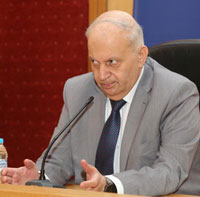
WALID SARHAN
Walid Sarhan, MD, FRCPsych, IDFAP, is a Senior Consultant psychiatrist working in Amman, Jordan. He is the Chief Editor of The Arab Journal of Psychiatry, a Member and Fellow of the Royal College of Psychiatrists (FRCPsych), an International Distinguished Fellow of the American Psychiatric Association (IDFAPA), and an honorary member of the World Psychiatric Association. He is very active in continuous medical education and public awareness building. He has been honored as "the best Arab Psychiatrist in the world" in 2022.
Dr. Walid Sarhan created the Human Dignity Group for Jordan on Facebook.
Please see:
• Interview with Dr. Walid Sarhan for the emergent Human Dignity Group in Jordan, 9th November 2022 (kindly see also Pdf and the interview also on Dr. Sarhan's YouTube channel).
• Interview with Dr. Walid Sarhan about his extraordinary life path, on 18th November 2022 (see the interview also on Dr. Sarhan's YouTube channel). These questions formed the structure of this interview:
1. Dr. Walid Sarhan, you are a psychiatrist, and everyone calls you Dr. Walid, the godfather. I have noticed that people in the streets know you as much as your colleagues at university and in hospitals. Could you explain what brought you to such a level of success and visibility?
2. Dr. Walid, or Walid, as you have allowed me to call you, I recall a story that you told me about ‘the pleasure of failure’. I think that this is a very important way of thinking that can be useful for everyone. Could you relate this story to us?
3. Dear Walid, you shared with me that you were special already as a child. I would love knowing in what way you were special.
4. Also, I would like to hear your advice to parents who have particularly gifted children. What is the best way to nurture them and help them flourish?
5. Dear Walid, we have spoken about the medical system. I recall that you had ideas as to how health services could be better organised.
6. Dear Walid, as for the moment, young students and young doctors get confused when they have to choose which kind of therapy school they ought to enlist in. Usually, it costs a lot of money to train in such a school. What are your ideas and your advice?
7. Dear Walid, if you think of the mental health not just of the people in Jordan, but globally, what are your thoughts. We read in the media that depression is on the rise, for example. I would love hearing your thoughts!
8. Dear Walid, you know that I lead a global movement for dignity. I would love to hear how your define dignity.
9. In my doctoral dissertation in social psychology, I wrote about humiliation. Would you want to expand a bit on how you understand this phenomenon?
11. Dear Walid, if people wish to learn from you, which channels can they use?
12. Finally, dear Walid, I would like to hear your ‘Message to the World’. We always ask the members in our dignity community to formulate such messages. The task is to think: What is the most important message the world needs to hear, given my experience and perspective on the world? What do I think is the most important thing the world needs to hear?
13. Dear Walid, what would you like to add?
Thank you so much for this wonderful conversation!
• Walid Sarhan said on 1st January 2023: "The Dignity and Humiliation Studies organization is aiming to reach its goals by spreading the principles of dignity to as many people as possible who could influence their organizations or the decision makers of their countries gradually. This will take time and possibly generations to achieve. Working together and spreading awareness will be our task."
NORMAN SARTORIUS
Norman Sartorius, M.D., M.A., Ph.D., FRC. Psych., Honorary Professor of Psychiatry at the University of London, UK and Visiting or Adjunct Professor of Psychiatry in several other universities in Europe, USA and China. Professor Norman Sartorius studied medicine in Zagreb (Croatia) where he obtained his M.D. He also specialized in neurology and psychiatry and acquired the title of specialist in these fields. He then studied psychology at the Faculty of Letters at the University of Zagreb and was awarded a Masters Degree and a Doctorate in Psychology (Ph.D.). He carried out clinical work and research and taught at graduate and post-graduate levels at the university of Zagreb, at the Institute of Psychiatry in London, at the University of Geneva and elsewhere.
In 1967, Dr. Sartorius was recruited as a consultant to the World Health Organization (WHO) to serve in South-East Asia and other regions; later he assumed charge of the programme of epidemiology in social psychiatry. He was the principal investigator of several major international studies, including the International Pilot Study on Schizophrenia, the Study of Determinants of Outcome of Severe Mental Disorders, the International Study on Depression, and conducted other research projects on health service delivery in collaboration with centres in different countries. In January 1977, he was appointed Director of the Division of Mental Health of WHO, a position which he held until mid-1999. In June 1993 Dr. Sartorius was elected President of the World Psychiatric Association and served as President-elect and then President until August 1999. Subseqently, in January 1999, Dr. Sartorius was elected President of the Association of European Psychiatrists (AEP), a post that he held until 2001. Dr. Sartorius holds professoral appointments at the Universities of Geneva, Prague, Zagreb and at several other universities in Europe, the USA and China. He is a Senior Associate of the Faculty of the Johns Hopkins School of Public Health in Baltimore.
Dr. Sartorius has published more than 300 articles in scientific journals, authored or co-authored several books and edited a number of others. The main areas of his interest are psychosocial aspects of health and development, organization of mental health services, public health aspects of neurology and psychiatry, cross-cultural psychiatry, scientific methodology and science policy.
Dr. Sartorius is an Honorary Fellow of the Royal College of Psychiatrists of the United Kingdom of Great Britain and of the Royal Australian and New Zealand College of Psychiatrists, a Corresponding member of the Spanish Royal Academy of Medicine and of the Medical Academy of Mexico, a Doctor of Medicine Honoris Causa of the Universities of Umea and of Prague, a Doctor of Science Honoris Causa of the University of Bath. He is a Distinguished fellow of the American Psychiatric Association and an Honorary Member of numerous professional associations and advisory boards, both national and international.
Dr. Sartorius is a member of editorial and advisory boards of many scientific journals. He has travelled widely and lectured at numerous universities in different countries and at very many international meetings.
He speaks English, French, German, Russian, Spanish and Croatian.
See, among others:
• "Stigma and Mental Health." In Lancet, 370 (9590), pp. 810–11. doi: 10.1016/S0140-6736(07)61245-8.
• Jablensky, Assen, and Norman Sartorius (2008). "What Did the WHO Studies Really Find?" In Schizophrenia Bulletin, 34 (2), pp. 253–55. doi: 10.1093/schbul/sbm151.
• Kato, Takahiro A., Naotaka Shinfuku, Norman Sartorius, and Shigenobu Kanba (2011). "Are Japan's Hikikomori and Depression in Young People Spreading Abroad?" In Lancet, 378 (9796), pp. 1070-70. doi: 10.1016/S0140-6736(11)61475-X.
• Global Pattern of Experienced and Anticipated Discrimination Reported by People with Major Depressive Disorder: A Cross-sectional Survey, by Antonio Lasalvia, Silvia Zoppei, Tine Van Bortel, Chiara Bonetto, Doriana Cristofalo, Kristian Wahlbeck, Simon Vasseur Bacle, Chantal Van Audenhove, Jaap van Weeghel, Blanca Reneses, Arunas Germanavicius, Marina Economou, Mariangela Lanfredi, Shuntaro Ando, Norman Sartorius, Juan J Lopez-Ibor, Graham Thornicroft, and the ASPEN/INDIGO Study Group, published online in The Lancet, October 18, 2012.
• Galderisi, Silvana, Andreas Heinz, Marianne Kastrup, Julian Beezhold, and Norman Sartorius (2015). "Toward a New Definition of Mental Health." In World Psychiatry, 14 (2), pp. 231–33. doi: 10.1002/wps.20231.
• Sartorius THE FUTURE OF PSYCHIATRY AND MEDICINE GPA congress day 1 - 22 October 2022,
Global Psychiatry Archives.
THOMAS J. SCHEFF
Thomas J. Scheff is Professor Emeritus at the Dept of Sociology, UCSB, Santa Barbara, CA. He is the author of Being Mentally Ill, Microsociology, Emotions and Violence (with Suzanne Retzinger), Bloody Revenge, and other books and articles. He is a former Chair of the section on the Sociology of Emotions, American Sociological Association, and President of the Pacific Sociological Association. His fields of research are social psychology, emotions, mental illness, and new approaches to integrating theory and method.
Professor Scheff’s current studies concern, forgiveness, solidarity-alienation, and alternative methods of crime control. His most recent book (1997) concerns Part/Whole Analysis, a unified approach to theory and method in the human sciences. Read many of his articles on his personal webpage. There you see a collection of films:
Earlier Films:
• Oslo, Emotions and Politics
• Santa Barbara, A Wake at the Pier. The poem that was the basis for the film is #39 on my homepage
• SB, Interview with Robert Fuller
Current:
• Karlstad, Sweden, Edu-tainment lecture, Social Science of Emotions
• SB, Life and Death in Iraq
• Blog 1 at Huffington Post
• Blog 2 at Huffington Post
Please see here a selection of Thomas Scheff's publications:
• Thoughts in Response to Blind Trust (2004) by V. Volkan, a Theory of Collective Violence.
• Roots of War and Peace: Emotions and Bonds in Moral Shock, paper presented at the 2005 Workshop on Humiliation and Violent Conflict, Columbia University, New York City, December 15-16, 2005. Tom writes:
"I would appreciate any comment you or your colleagues would care to make."
• Responses to a War Memorial, 2005.
• Awareness Structures: Conceptualizing Alienation/Solidarity, 2006.
• Hypermasculinity and Violence as a Social System, paper contributed to the 2006 Workshop on Humiliation and Violent Conflict, Columbia University, New York City, December 14-15, 2006.
• Silence and Mobilization: Emotional/relational Dynamics, paper contributed to the 2006 Workshop on Humiliation and Violent Conflict, Columbia University, New York City, December 14-15, 2006.
• Treatment of Depression, drawing on his papers:
• Shame and Community: Social Components in Depression (2000)
• Four commentaries on my article published along with it in Psychiatry (2000)
• Looking Glass Selves: The Cooley/Goffman Conjecture (2003)
• Rampage Shooting: Emotions and Relationships as Causes (2007)
• Websdale, Neil. Familicidal Hearts: The Emotional Styles of 211 Killers. Oxford: Oxford University Press. Reviewed by Thomas Scheff. Forthcoming in Psycritiques, 2010.
• Morality Based on Hidden Emotions, a slightly expanded version (2010) of "Hidden Emotions: Responses to a War Memorial," in Peace and Conflict: Journal of Peace Psychology, 13(2), 1-9, 2007.
Please see http://www.soc.ucsb.edu/faculty/scheff.
• Social-emotional Origins of Violence, unpublished as of July, 2010, and submitted to a journal of criminology.
• Revival: Memorials and the Gate to the Human Heart, original text, published in the Santa Barbara Independent, on lWednesday, July 7, 2010, shared here with permission of the author.
• The Witnessing and the Automated Self, 2012, submitted to a journal.
• Getting Unstuck: Interdisciplinarity as a New Discipline. Human Dignity and Humiliation Studies, 2012. Later published as Getting Unstuck: Interdisciplinarity as a New Discipline, in Sociological Forum, 28 (1), March 2013, doi: 10.1111/socf.12008.
KIRK SCHNEIDER
Kirk Schneider, Ph.D., is a licensed psychologist and leading spokesperson for contemporary existential-humanistic psychology. Dr. Schneider is past president (2015–2016) of the Society for Humanistic Psychology of the American Psychological Association, recent past editor of the Journal of Humanistic Psychology (2005–2012), president-elect of the Existential-Humanistic Institute (EHI), and adjunct faculty at Saybrook University and Teachers College, Columbia University. A Fellow of the American Psychological Association (APA), Dr. Schneider has published over 100 articles and chapters and has authored or edited 11 books (several of which have been translated into Chinese, German, Greek, Russian, Turkish, and Portuguese). These books include The Paradoxical Self, Horror and the Holy, The Psychology of Existence (with Rollo May), The Handbook of Humanistic Psychology (2nd Ed.)(withFraser Pierson and James Bugental), Rediscovery of Awe, Existential-Integrative Psychotherapy, Existential-Humanistic Therapy (with Orah Krug—accompanying APA video also available), Humanity’s Dark Side: Evil, Destructive Experience, and Psychotherapy (with Art Bohart, Barbara Held, and Ed Mendelowitz), Awakening to Awe, The Polarized Mind, The Essentials of Existential-Humanistic Therapy Supervision (with Orah Krug), and The Wiley World Handbook of Existential Therapy (with Emmy van Deurzen et al.) and The Spirituality of Awe: Challenges to the Robotic Revolution are in preparation.
Dr. Schneider is the recipient of the Rollo May Award from Division 32 of the APA for “Outstanding and independent pursuit of new frontiers in humanistic psychology,” the “Cultural Innovator” award from the Living Institute, Toronto, Canada, a psychotherapy training center which bases its diploma on Dr. Schneider’s Existential-Integrative model of therapy, and an Honorary diploma/membership from the Society for Existential Analysis of the U.K. and East European Association of Existential Therapy. Dr. Schneider is also a founding member of the Existential-Humanistic Institute in San Francisco, which in August, 2012 launched one of the first certificate programs in Existential-Humanistic practice to be offered in the U.S.A. In April, 2010, Dr. Schneider delivered the opening keynote address at the First International (East-West) Existential Psychology Conference in Nanjing, China, and has repeatedly been invited to speak at various similar venues in China – as well as Japan – over the last several years. He delivered a keynote address at the First World Congress of Existential Psychotherapy in London in May, 2015.
For more information on Dr. Schneider’s work visit www.http://kirkjschneider.com.

DORIS SCHROEDER
Doris Schroeder is Director of the Centre for Professional Ethics at the University of Central Lancashire UK, Professor of Moral Philosophy in the Law School at Uclan Cyprus and Adjunct Professor at the School of Humanities and Social Sciences, Charles Sturt University Canberra, Australia. Prior to this, Doris held positions at the University of Witwatersrand (Johannesburg), the University of Oslo (Norway) and the University of Melbourne (Australia). Her voluntary work included 17 years for Amnesty International and five years for the German patient organisation for Fanconi Anaemia. She has been leading large international research projects on justice questions since 2005, for instance Progress 2013-2016 (progressproject.eu) and TRUST 2015-2018 (trust-project.eu). Her book on dignity, co-authored with the former President of Iran, AH Bani-Sadr, was published in May 2017.
SIBYL ANN SCHWARZENBACH
Sibyl Ann Schwarzenbach is Associate Professor of Philosophy at The City University of New York (Baruch College and the Graduate Center). In addition to numerous articles in social and political philosophy, ethics, as well as feminist theory, she is editor (with Patricia Smith) of Women and the United States Constitution: History, Interpretation and Practice (Columbia University Press, 2003). Her book On Civic Friendship: Including Women in the State was published in 2009, also by Columbia University Press.
MILTON SCHWEBEL
May 11, 1914 – October 3, 2013, but always with us in our hearts!
Milton Schwebel, Professor Emeritus, is interested in maximizing human development and learning through societal, organizational, and educational change and therapy. He recently studied well-functioning in professional psychologists and, with UNESCO, the effects of employment on prevention of conflict.
Professor Schwebel served as Dean of the Rutgers Graduate School of Education for ten years, was the founding chair of APA's Advisory Committee on Impaired Psychologists for eight years, was president of Psychologists for Social Responsibility for two years, and is founding editor of the APA divisional publication, Peace and Conflict: Journal of Peace Psychology for seven years. A Fellow in the American Psychological Association, American Psychological Society and the American Orthopsychiatric Association, he received the 1991 Research Award from Psychologists for Social Responsibility as well as the 1995-1996 SAGE Award from the Society for the Psychological Study of Social Issues.
Milton Schwebel’s recent books include Assisting Impaired Psychologists, Personal Adjustment and Growth, Teacher's Handbook, and Promoting Cognitive Growth over the Life Span and Guide to a Happier Family. He most recent book is entitled Remaking America's Three School Systems: Now Separate and Unequal (Scarecrow Press, 2003).
Milton Schwebel’s research interests focus on clinical work and promoting psychologists' well-functioning, cognitive and social development over the life span, and peaceful methods of conflict resolution, domestically and internationally.

THEARY C. SENG
Theary Seng is an author, a human rights activist, and the founder of the Cambodian Center for Justice & Reconciliation (CJR), Civicus: Center for Cambodian Civic Education (CIVICUS), and the Association of Khmer Rouge Victims in Cambodia (AKRVC). After the Khmer Rouge killed both her parents, she and her surviving family trekked across the border for Thailand in November 1979 and emigrated to the U.S. one year later. She wrote Daughter of the Killing Fields (London, 2005), which will be updated and available in North America (Seven Stories Press NYC, 2011). She is working on a second book on justice and reconciliation in light of the Khmer Rouge Tribunal and her role as the first recognized victim civil party to confront the senior Khmer Rouge leaders in international law. Theary sits on the Governing Board of various organizations, including the Affiliated Network for Social Accountability in the East Asia & Pacific (ANSA-EAP) operated by the Ateneo School of Government, now an independent Foundation registered in the Philippines; and the Human Rights Resource Center for ASEAN (HRRCA), a Foundation registered in Indonesia..

KOSHEEK SEWCHURRAN
Kosheek Sewchurran is an Associate Professor in Innovation Management and Information Systems, and director for the Executive MBA program at the Graduate School of Business in Cape Town. He is primarily interested in organizing practices and research that acknowledge the realities of a post-modern or complexity paradigm. He actively seeks out a new paradigm of responsible business, a caring effective state and developing benevolent leaders and organizing practices to institute such a world - this is what he seeks to understand and disclose as his life’s work. He has published works and is actively engaged in research on project organizing, pedagogy and ontology for this paradigm. Prior to academia he spent a little over a decade on manufacturing projects working as a Systems Engineer optimizing plant automation and designing and implementing enterprise information systems.

QIN SHAO
Qin Shao, Ph.D., is Professor of History at The College of New Jersey. Born in Shanghai, her education was interrupted by Mao’s Cultural Revolution, when she spent six years on a Chinese farm. She later pursued graduate studies in Shanghai and the United States. Qin has written about ancient Chinese statecraft, China’s early modern era, and the post-Mao reform. Her publications include an award-winning book, Shanghai Gone: Domicide and Defiance in a Chinese Megacity (2013), Culturing Modernity: the Nantong Model, 1890-1930 (2004), and journal articles in international scholarly outlets. Qin was a research fellow at the Radcliffe Institute for Advanced Studies, Harvard University, the International Research Center on Work and Lifecycle, Humboldt University, Berlin, and the East Asia Institute at National University of Singapore. Her research has also received fellowships from the Woodrow Wilson International Center for Scholars, the Chiang Ching-Kuo Foundation, the American Council of Learned Societies, and the National Endowment for the Humanities. She has spoken at the University of Oxford and the Harvard Law School, among other institutes, and at public forums such as the Renaissance Weekend and the Conference on World Affairs. Qin is working on a new project about displacement under Mao, with a focus on such issues as mental health, dignity, and grass-roots resistance.
Please see also:
• The Pursuit of Transitional Justice from Below: A Case Study from Shanghai, by Qin Shao, 2020.

DANIEL L. SHAPIRO
Daniel L. Shapiro, Ph.D., is also a Member of the HumanDHS Research Team, and Senior Advisor of the Public Policy project.
Dan is the founder and director of the Harvard International Negotiation Program and teaches a highly evaluated course on negotiation at Harvard College. He instructs psychology interns at Harvard Medical School/McLean Hospital and leads executive education sessions at the Program on Negotiation at Harvard Law School, Harvard Kennedy School, and Harvard Medical School/McLean Hospital. He also has served on the faculty at the Fletcher School of Law and Diplomacy, Tufts University, and at the Sloan School of Management at Massachusetts Institute of Technology.
[read more]
Named one of the top 15 professors at Harvard University, Shapiro specializes in practice-based research—building theory and testing it in real-world contexts. He has launched successful conflict resolution initiatives in the Middle East, Europe, and East Asia, and for three years chaired the World Economic Forum’s Global Agenda Council on Conflict Resolution. Focusing extensively on the emotional and identity-based dimensions of negotiation and conflict resolution, Shapiro led the initiative to create the world’s first Global Curriculum on Conflict Management for senior policymakers as well as a conflict management curriculum that now reaches one million youth across more than 20 countries. He is the recipient of numerous awards, including the American Psychological Association’s Early Career Award and the Cloke-Millen Peacemaker of the Year Award. In May of 2019, Shapiro was named Harvard’s Joseph R. Levenson Memorial Teaching Prize for Excellence in Undergraduate Teaching, the oldest of the teaching awards given out by the Undergraduate Council.
Please see The Nature of Humiliation, note presented at the 2004 Workshop on Humiliation and Violent Conflict, Columbia University, New York City, November 18-19, 2004. Please see also Beyond Reason: Using Emotions as You Negotiate by Daniel Shapiro and Rober Fisher, 2005. Daniel Shapiro is Senior Advisor for HumanDHS's Public Policy for Equal Dignity project.

HELENA SINGER
Helena Singer is the Director of Education at the Learning School City Association (Aprendiz). She is a council member of the Center for Policy and Psychopathology, Public Policy, Mental Health and Communicative Actions at the University of Sao Paulo (NUPSI-USP), Brazil, and founding member of the Politeia Institute for Democratic Education in Brazil. She earned her Doctorate in Sociology from the University of São Paulo (USP) in 2000, with a specialization in the Sociology of Conflict from the University of Pennsylvania (UPenn) in the United States. She was a postdoctoral fellow at the Laboratory of Studies and Research on Teaching and Diversity at the State University of Campinas (LEPED-Unicamp) in 2008. She was awarded the Young Social Scientist Award in Portuguese Language by the University of Coimbra, Portugal, for her book "Disconcerted Speeches: Lynching, Punishment and Human Rights" (Discursos Desconcertados, in 2003). Other main works include "Republic of Children: About School Experiences of Resistance" (Republica de Crianças, 2010) among other books and articles on Education, Democracy, Human Rights and Violence.
KJELL SKYLLSTAD
Recipient of the 2016 HumanDHS Lifetime Commitment Award
Kjell Skyllstad is on the Faculty of Fine and Applied Arts at Chulalongkorn University in Bangkok, Thailand, since 2009. The Faculty is responsible for a major development in the empowerment of handicapped children in Thailand, arranging the yearly Art for All camp where 5 children with various handicaps live together in small units helping each otherwith the daily chores and participating with the leading artists of the country headed by HRH Princess Sirindhorn in art activities of various kinds, a major breakthrough in art therapy.
Kjell Skyllstad is the editor in chief of the Journal of Urban Culture Research (JUCR), a peer-reviewed journal offered by the Faculty of Fine and Applied Arts at Chulalongkorn University, Thailand, and the Urban Research Plaza of Osaka City University, Japan. JUCR is intended to address topics that, while focused on research and knowledge of fine and applied arts, also offer readers relevant theoretical discussions and act as a catalyst for expanding the knowledge-base in specific areas of creative expression related to Southeast Asia's urban culture. This journal aims at bringing together researchers and cultural practitioners to identify and share innovative and creative experiences in establishing sustainable and vibrant communities.
Kjell Skyllstad is also Professor Emeritus at the Department of Musicology (Institutt for musikkvitenskap) at the University of Oslo in Norway. He is Member of the Executive Committee of the International Society for the Study of European Ideas (ISSEI).
Professor Skyllstad has been the Chair of the Norwegian Branch of the International Society for Contemporary Music (ISCM), as well as Chair of the Norwegian Musicological Association and Vice Chair of the Society of Socialist Culture Workers. He is still involved in the activities of these associations, as well as in the TRANSCEND Music for Peace group.
Kjell Skyllstad has done research on the history of racism in a cultural perspective and on the effect of a multicultural school music program on the prevention of racial conflict. He has been research coordinator for interuniversity development programs in the performing arts. His current research areas include aesthetics and exclusion in 20th century Europe, rituals and rehabilitation in South Asia, ecology and cultural survival in South East Asia, as well as art and inclusion in primary education. See also www.intermusiccenter.org.
Plese see here a selection of articles about Kjell Skyllstad:
• Norges Musikkhistorie (Norwegian History of Music), Oslo 2001: “Professor Kjell Skyllstad (born 1928) has been a pioneer in Norwegian music even beyond his long career as a researcher, educator and crtitic. Following studies in the United States and Germany he was among the first to initiate concerts of early music played on original instruments, leading up to the first surge of interest in this field. Besides he was active within the International Socety for Contemporary Music (ISCM), initiating experimental concerts and performances. In later years his teaching duties at the University of Oslo and his energy has been directed towards exploring the multicultural aspects of music, emphasizing the necessity of focusing on cultural ecology and peace. He was one of the movers behind the program of music exchange with countries of the Third World introduced by the Norwegian Concert Institute (Rikskonsertene)."
• Norsk Biografisk Leksikon (Norwegian Biographical Dictionary), Oslo 2006: “Throughout his whole career Kjell Skyllstad has been a remarkable initiator and a colorful actor on a series of seemingly unrelated fields, excerting considerable influence on national and international musical arenas. Skyllstad received a Masters degree in Education at Walla Walla University, USA in 1952 and a Mag.art. degree in musicology at the University of Oslo in 1960. He studied at the University of Munich from 1959-60 as recipient of a scholarship from DAAD (Deutsche Akademische Austauschdienst). Except for a three year assignment on a research scholarship from the Norwegian Research Council (1972 – 75) to the Department of Evaluation Research, connected to the Music Academy in Graz, Austria, he served at the Department of Music, the University of Oslo for 34 years from his appointment as Assistant Professor in 1962 until his retirement in 1998. He became Full Professor in 1996. Since 1966 he also worked as a music critic on several major Oslo newpapers. Skyllstad has been profoundly influenced by his encounter with the American conglamorate of cultures. Following his return to Norway he has been an untiring advocate of openness, inclusion and co-operation across cultures, both in his professional environment and in society at large. Instead of assuming the traditional role of the musicologist as observer, Skyllstad has been action oriented. His field of endeavor has steadily expanded since his first major work on Grieg’s a-minor concerto until his present involvement in music and societies of the Far East. Between these points of orientation we find several interesting positions: A reflection on modern Norway through studies on central Norwegian composers, with Fartein Valen and Arne Nordheim in central focus. As President of the Norwegian branch of ISCM (International Society for Contemporary Music) he became the promoter of a braking down of fixed musical categories arranging a series of vital concerts of co-operation between performers of jazz and contemporary music. Even in the field of early music Skyllstad has been a pioneer. He was one of the first to present performances of early music using authentic period instruments. This was followed by significant studies on music and ideology, focusing on the role of music in totalitarian regimes like Nazi Germany and the Soviet Union. This was then expamded to include research on the role of music as an important counterforce to totalitarianism and regimentation. Here the function of music as a meeting place between culture became important, especially as immigration began to leave its traces on Norwegian society. Since 1975 Skyllstad is the leader of Intermusic Center, especially concerned with promoting music co-operation projects with Asian countries. He likewise was Research Director for the 1989-92 multicultural music project of the Norwegian Concert Institute (Rikskonsertene).Through practical experiences Skyllstad has demonstrated how music can function as an instrument for conflict transformation and peace making at home as well as in the Balkan region, Sri Lanka and other areas of conflict. In the tension between a work centered musicologist and a society oriented, who studies music 'from the outside', Skyllstad has managed to keep a position of embracing both: Developing a sensibility for the musical expression and its aesthetic and therapeutic qualities, while at the same time observing musical functions as forms of social co-operation and conscience. From his first to his present works this has been his leading principle, which he sums up in a professional credo: 'From early times onwards musical communication has been a driving force in the growth of democratic social structures, indeed social structures as such. Through musical interaction two individuals, peoples or nations create something which is greater than the sum of individual creations.'"
Please see furthermore:
• Creating a Culture of Peace - The Performing Arts in Interethnic Negotiations by Kjell Skyllstad, in Intercultural Communication, 2000, November, issue 4.
• From Humiliation to Empowerment: Creative Conflict Management in the Multi-ethnic School, Kjell's paper presented at Round Table 1 of the 2005 Workshop on Humiliation and Violent Conflict, Columbia University, New York City, December 15-16, 2005.
• From Humiliation to Empowerment:
The Arts in Retributive and Restorative Justice, his paper presented at Round Table 3 of the same workshop.
• A Voice from Grotten, Kjell's contribution to HumanDHS's 2008 Oslo meeting, an article on the present tenant of Grotten, the composer Arne Nordheim. Every 17th of May, he gathers his friends in his historic home to honor his great inspirator Henrik Wergeland. Kjell writes on 16th June 2006: "This month Arne is 75 and this is my hommage to a close friend."
• 12th Urban Culture Forum, 'Arts and Social Outreach - Designs for Urban Dignity' by The Urban Research Plaza, Chulalongkorn University, Bangkok, Thailand, room 105 of the Maha-Chulalongkorn Building,
3rd - 4th March 2014, convened by Kjell Skyllstad. See pictures also here.
• Kjell Skyllstad Receives the Beacon of Dignity Award on 2nd June 2014. The ceremony took place at the Norwegian Centre for Human Rights and the award was presented to Kjell by Inga Bostad and Evelin Lindner on behalf of the Human Dignity and Humiliation Studies network and the World Dignity University initiative.
• Kjell Skyllstad Received the Beacon of Dignity Award
for his life-long visionary work for dignity.
The ceremony took place at the Norwegian Centre for Human Rights on 2nd June 2014, and the award was presented to Kjell by Inga Bostad and Evelin Lindner on behalf of the Human Dignity and Humiliation Studies network and the World Dignity University initiative. Kjell is the wonderful inspirator and convener of three of our annual dignity conferences, 2008 in Oslo, 2014 in Thailand, and 2016 in Dubrovnik.
• Cities at Risk: From Humiliation to Dignity, Evelin Lindner, in dialogue with Kjell Skyllstad, abstract prepared for the 27th Annual Conference of Human Dignity and Humiliation Studies 'Cities at Risk - From Humiliation to Dignity', in Dubrovnik, Croatia, 19th - 23rd September 2016.
CARLOS E. SLUZKI
Carlos E. Sluzki, MD (University of Buenos Aires, 1960), is currently Professor at the College of Health and Human Services and at the Institute for Conflict Analysis and Resolution, George Mason University, and Clinical Professor at the Department of Psychiatry and Behavioral Sciences, George Washington University Medical School. Professor Sluzki is also the Editor of the American Journal of Orthopsychiatry. He has been Professor of Psychiatry at the Universities of Massachusetts and of California San Francisco. He has been the Chair of the Committee on Human Rights, the American Psychiatric Association, and is active in the fields of migration, refugees, violence and human rights. Please see Elements of Humiliation-Shame Dynamics for Computational Modeling and Analysis of Real-Life Scenarios,
draft of presentation at the 2004 Workshop on Humiliation and Violent Conflict, Columbia University, New York City, November 18-19, 2004, Columbia University, NY, NY. Please see here the Story of the Crying Composer, which Carlos told at the 2004 Workshop on Humiliation and Violent Conflict, Columbia University, New York City, 2004. Please see also Humiliation Therapeutics (powerpoint presentation) developed at the 2004 Workshop on Humiliation and Violent Conflict, Columbia University, New York City, 2004. Please see furthermore Short Term Heaven, Long Term Limbo: A Visit to a UNHCR Refugee Camp in Rwanda, in Global Studies Review, in press.
JAN SMEDSLUND
Jan Ewald Smedslund is Professor Emeritus of Psychology at the Department of Psychology at the University of Oslo in Norway. Jan Smedslund is the founder of Psycho-Logic. He proposes to establish a psycho-logic as an a priori formal system. He makes explicit parts of an implicit calculus built into language which enables people to predict and understand each other's behavior. For example, he argues that "even though ordinary words have very variable meanings, they also have a stable core meaning, and many partly overlapping words may also refer to the same core meaning. In summary, it may be possible to explicate a skeleton system of important concepts underlying the complex surface of an ordinary language… A formulation of such a system can only approximate some of the psychologically relevant features of ordinary language and must necessarily ignore others. However, one may envisage successively more complex scientific language, including an ever higher number of psychologically important distinctions’ (Smedslund 1988, p. 5). Smedslund asserts that human beings create "meta-myths" that are explicable in terms of common-sense psychology or "Psycho-Logic" (Smedslund, 1988).
See for Professor Smedslund’s publications, Psycho-Logic (Springer, 1988), "The Psychologic of Forgiving" (in Scandinavian Journal of Psychology, 1991), "How Shall the Concept of Anger Be Defined?" (Theory and Psychology, 1993), The Structure of Psychological Common Sense (Erlbaum, 1997), "Social Representations and Psychologic" (in Culture & Psychology, 1998). Please see his latest book (2004) Dialogues About a New Psychology.
• Evelin Lindner would like to express her profound gratitude to her doctoral advisers Lee D. Ross (Stanford University), Reidar Ommundsen, and Jan Smedslund, as well as to Hilde Nafstad, Berit Ås, Karsten Hundeide, and Stephen on Tetzchner as members of the defense committee for May 25, 2001, and Astri Heen Wold for opening the initial door in 1996 as head of the Department of Psychology of the University of Oslo, Norway. Evelin also sends her deep-felt thanks to the esteemed advisers you see the Acknowledgments.
DENNIS SMITH
Dennis Smith is Professor of Sociology at the Department of Social Sciences in Loughborough University, England. He is editor of Current Sociology, one of the International Sociological Association's flagship journals, and from 2001 to 2003 he was Vice-President of the European Sociological Association. He is currently writing a book entitled Globalisation and Humiliation, to be published by Polity Press. Dennis Smith became interested in work on humiliation when he met Evelin Lindner in the mid-1990s and he has integrated this theme into his own research, which has moved from investigating the dynamics of transatlantic culture and institutions (especially capitalism and democracy) to a consideration of the developing global framework for human co-existence.
Professor Smith has published many articles and books including Conflict and Compromise: Class Formation in English Society 1830-1914 (Routledge), Barrington Moore: Violence, Morality and Political Change (Macmillan), The Chicago School: A Liberal Critique of Capitalism (Macmillan), The Rise of Historical Sociology (Polity), Capitalist Democracy on Trial: The Transatlantic Debate from Tocqueville to the Present (Routledge), Zygmunt Bauman: Prophet of Postmodernity (Blackwell), Whose Europe? The Turn Towards Democracy (with Sue Wright, Blackwell), Norbert Elias and Modern Social Theory (Sage), and The Civilized Organisation (with Ad van Iterson, Willem Mastenbroek, and Tim Newton, Benjamins). The Local-Global Institute and Network was initially developed with the encouragement and participation of Evelin Lindner and is being developed further by Dennis Smith.
See Smith's 2006 book Globalization: The Hidden Agenda, London: Polity Press. .
BERIT DAHL SOLTVEDT
*15th April 1939 – 27th December 2020, but always with us in our hearts!
Berit Soltvedt earned her degree in psychology in 1965, with main courses in Clinical and Developmental Psychology. The title of her thesis was On the Psychology of Creativity. Three years of training in Clinical Child Psychology followed, as well as a varied practice with children – in later years her private practice with adults. In addition to being a psychologist, she became gradually more engaged with other areas of life. After training in arts, she had several exhibitions. She also created her own small cultural centre “Kjernehuset - an Information Centre for Peace, Development and Environment.” Either one her own, or together with others, she arranged study groups and seminars. She has, furthermore, produced several booklets, articles, and cartoons. Among others, she published four books – two about feminist history and two about being engaged in the world of today. Her main interest has always been the care for Mother Earth. After several years of engagement, she is now concentrating on how to make the necessary paradigm shift (to that end, she has been joining a political party), how to start creating an alternative way of life and how to help people take the step from seeing what is wrong and to do something about it.

SULTAN H. SOMJEE Sultan H. Somjee is an Ethnographer. His research interests include visual arts and oral cultures in expressions of social values, aesthetics, identities and spiritual beliefs. Sultan’s work profile includes community perspectives in contexts of conflicts, changing political circumstances and governmental policies.
During the last nine years Sultan Somjee has been involved in learning about and salvaging indigenous peace traditions of ethnic peoples of East Africa whose heritage is devastated by wars and famines. Based on his experience he initiated community programmes in education and preservation of indigenous peace and community building traditions. These traditions of people who do not write or read, are manifested in their cultural artefacts and oral literature.
Sultan was the Head of Ethnography at the National Museums of Kenya and is the founder of Community Peace Museums Programme and Foundation and the Asian African Heritage Trust in Kenya. He also initiated teaching of indigenous knowledge through material culture in the schools and university education in Kenya as well as Community Counselling Services for the Aga Khan Social Welfare Board in East Africa. He has lectured on and curated more than thirty exhibitions internationally that give positive visibility to minorities in dialogues over differences in cultures and faiths.
In 2001, the United Nations honoured Sultan with the recognition of the Unsung Hero of Dialogue among Civilizations. This was shortly followed by a second accolade of the Cultural Ambassador of Peace by the Survivors of Massacre and Interfaith Committee of Slums of Nairobi following ethnic killings in the city in 2002.
Please visit Sultan Somjee’s blog!
See also:
• The Ubuntu Stratagem, in the Oxford Encyclopedia of Peace, edited by Nigel Young, 2010, reproduced by Desmond Tutu's Journal of African Peace in 2014.
• One Who Dreams Is Called a Prophet. Amazon Kindle, 2020.
• "Message to the World: Collective Humanity as Said in Africa — Utu Ubuntu" (Video Day Two | Video Day Three | Video edited by Evelin Lindner from PowerPoint prepared on November 6, 2021), contribution to the 2021 Workshop on Transforming Humiliation and Violent Conflict, Virtual at Columbia University, New York City, December 9 – 11, 2021.

DIDIER SORNETTE
Didier Sornette holds the Chair of Entrepreneurial Risks at ETH Zurich (Swiss Federal Institute of Technology Zurich) since March 2006 where he teaches on financial market risks and on entrepreneurial risks. He is a member of the Swiss Finance Institute. He is also a professor associated with the department of Physics and the department of Earth Sciences at ETH Zurich. He was previously jointly a Professor of Geophysics at UCLA, Los Angeles California and a Research Director on the theory and prediction of complex systems at the National Centre for Scientific Research in France. He is also the Director of Research of Insight Research LLC, a R&D California based company providing software for financial risks and consulting services in trading.

Ervin Staub
Ervin Staub is a Professor Emeritus of Psychology at the University of Massachusetts at Amherst since his retirement in January 2006. For many years he has studied the origins of group violence, including genocide and mass killing. In recent years he has studied its prevention, including reconciliation between groups. Dr. Staub also does research on helping behavior and altruism, as well as youth violence. He has recently been developing a Ph.D. concentration on the psychology of peace and the prevention of violence at UMASS. He has published many books, including The Roots of Evil: The Origins of Genocide and other Group Violence and a new book The Psychology of Good and Evil: Why Children, Adults and Groups Help and Harm Others.
DAN J. STEIN
Dan J. Stein is Director of the Medical Research Council (MRC) Research Unit on Anxiety Disorders at the University of Stellenbosch in Cape Town, and Research Associate Professor at the University of Florida in Gainesville. He did his undergraduate training at the University of Cape Town and his post-graduate training in psychiatry and psychiatric Research at Columbia University and the New York State Psychiatric Institute. Dr. Stein has edited or co-edited several books on compulsive and impulsive disorders, as well as on the intersection between cognitive science and clinical disorders. He has published over 300 professional articles, focusing primarily on the psychobiology of the anxiety disorders (including obsessive-compulsive disorder, posttraumatic stress disorder, and social anxiety disorder).
He has had a particular interest in the South African Truth and Reconciliation Commission, and his publications include some empirical work on those who participated in this Commission.
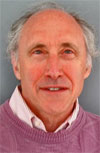
JOHN STEINER
John Steiner, Harvard class of ’65, is a networker, organizer, and philanthropist. He brings together people, projects, ideas and money around a common cause - serving “the pattern that connects.” He co-founded the National Commons, a predecessor to the United States Consensus Council, to bring multi-stakeholder, collaborative problem solving tools to the national level. He was a founding board member of Search for Common Ground; a founding member and early leader of the Threshold Foundation; and a founding member of the Social Venture Network. He is a former chairman of the board of CDR Associates (Center for Dispute Resolution). Currently he is the acting chairman of the board of the transpartisan initiative, Reuniting America. He works closely with Robert Fuller and the DIGNITY movement. He is also working with other philanthropists and social entrepreneurs to raise large sums of money for the peace and security field. John lives with his wife Margo King in Boulder, Colorado, where they serve as trustees of the Steiner King Foundation, which is active in a variety of creative philanthropic endeavors..

STEPHANIE KNOX STEINER
Stephanie Marie Knox Steiner, Ph.D., is Assistant Professor and Academic Coordinator of the Peace Education programme at the University for Peace (UPEACE) affiliated with the United Nations. She earned her doctorate degree in the Community, Liberation, Indigenous, and Ecopsychologies specialization from Pacifica Graduate Institute and holds a masters in Peace Education from the University for Peace. She has taught college-level courses on peace and conflict studies and developed peace and nonviolence education programs for organizations such as Teachers Without Borders and the Metta Center for Nonviolence. She co-founded and coordinates the Jill Knox Humor for Peace Fellowship programme, which offers professional development to peace studies scholars through the Humor Academy of the Association for Applied and Therapeutic Humor with the intention of building peace through humor. She is a student of Zen Master Thich Nhat Hanh, an ordained member of the Order of Interbeing, and a member of the Earth Holder Community caretaking council. Her teaching and research interests currently lie at the intersection of peace education, decolonial pedagogies, and unschooling/deschooling/self-directed education.
See:
• Colloquium "Reimagining and Re-Enchanting Education", June 6, 2023, global, with close to 100 registered participants worldwide (Video edited by Linda Hartling, June 6, 2023 | Description). See Steiner's dissertation titled Decolonial, Pluriversal, Vitality-Centered Pedagogies: (Re)orienting Education Toward Serving Life, especially the Abstract (p. iii), Decolonialization (p. 73); Decoloniality – Underlying Logic of the System That Leads to Colonialization (p. 79); Characteristics of Decolonial Pedagogies (p. 102-117); and the sections on relationality (p. 276) and the conclusion – What’s Missing (p. 378).
• Host of the Dignilogue titled Reimagining Education together with Phil Brown (Video). The 20th Workshop on Transforming Humiliation and Violent Conflict, titled "The Urgency of Seeding Dignity: Honoring 20 Years of Global Collaboration for Transforming Suffering Through Courageous and Compassionate Action," hybrid, co-hosted online and in person by the Morton Deutsch International Center for Cooperation and Conflict Resolution at Teachers College, Columbia University, New York City, December 8, 2023.
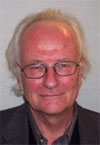
SIGURD STØREN
4th April 1939 – 21st March 2022, yet always with us in our hearts!
Sigurd Støren has commented on the HumanDHS's Office Cockpit Project.
Sigurd Støren is Professor Emeritus (since 2007) of Metal Forming and Ecodesign at the Norwegian University of Science and Technology in Trondheim, Norway.
Sigurd Støren sends us this personal curriculum vitae:
l lived in the town Hamar until I was 12 year old. Then moved to Porsgrunn, lived there from age 12 to 16. From age of 16 until I started my study at Norwegian University of Science and Technology (NTNU) when I was 21, new living conditions changed almost every year: 16-17: Lived in Lysaker outside Oslo, 17-18 back in Porsgrunn, 18-19, finished high school in Oslo and started work practise for the study engineering sciences, 19-21 Military services in Kongsberg. In 1960 at an age of 21 started university studies at NTNU.
I have 4 sisters and one brother, I am the second oldest, one of my sisters is one year older then me, we are very close.
I was extraordinary shy as a child, was reading books from an early age. We had a large Norway spruce tree in our garden in Hamar. High up in that tree I had made a platform of planks, from there I had a view over Mjøsa the largest lake in Norway. From that position a got a strong vision of belonging to and communicating with the Universe (I think I was 11 years old).
I was studying the Bible during my teenage years, and was thinking of studying theology. Since I liked mathematics and physics, however, and used my fantasy in drawing all kinds of futuristic vehicles, it appeared to me that I should study engineering science with the aim of participating in the world evolution; I looked at the material evolution as a manifestation of the spiritual evolution. During my study, the little book "The Phenomenon of Man" written by Pierre Teilhard de Chardin, translated to Norwegian, came to me. It was a "revelation" for me; here I met well formulated words and thoughts that were in harmony with my own vague vision of the world. Later, the writings by Arthur Koestler were important for me; about the interaction between natural science, creativity and spirituality.
In 1992/93 I had sabbatical leave from NTNU and stayed in Copenhagen. Here I found a book written by Martinus: "The Book of Life" in an antiquarian bookshop. The revelations he had experienced and written about touched the core of my inner life. The spiritual messages he has received are written in a series of 8 books with the name "The Third Testament".
After returning to NTNU-Trondheim in 1993, I was an active contributor in the establishment of a study program in Industrial Design and in Industrial Ecology, both multidisciplinary fields for bridging the gap between natural science, engineering sciences, social science and life sciences.
In the years 1998-2003, I visited India many times, as part of a develop-project between Indian Institute of Science, Bangalore and NTNU, and financial supported by a Norwegian company. About 15 Industrial Design students visited India and worked with the development of helping aides for underprivileged disabled people in India. Coming from one of the richest countries in the world, seeing the situation for the poor people in the developing world, the students reported that it has changed their perspective of life, as well as their mission as product developers.
The writing of Ken Wilber has been important for me in the recent years. The fundamental points of resemblance between Chardin, Martinus and Wilber seems to indicate a common inner spiritual source. It is my intension now to go deeper into this "fundamental inner source" in the years to come, and the way this can help us in the right direction of evolution.
Important persons in my spiritual search since the 1980-ies, has been our "Dialog Group": Inger Tafjord, Marjorie Parker, Per Grholt and Carl Magnus Edenbrandt. Further Latha Nrugham (PhD: children, traumas and suicidal tendencies) and my children Kristin (PhD: design for sustainability), Audun (Market Communication) and Sigurd Chr. (Theology) have been of great inspiration.
Please see here Sigurd introducing himself to our 19 Annual Conference in Oslo in 2012.

PAUL A. STOKES
Paul A. Stokes is also a Member of the HumanDHS Research Team.
Paul A. Stokes is a College Lecturer in the Department of Sociology at the National University of Ireland, Dublin, since 1996 and a member of the Faculty of Human Sciences in UCD. During the academic year 2000-2001 he was a Visiting Scholar at the University of California at Santa Barbara (UCSB). Dr. Stokes also acts as Consultant to Edelman Ireland PR in the area of Corporate Social Responsibility (CSR). He is furthermore a Fellow of the Cybernetics Society of Great Britain and a member of the Metaphorm on the Cybernetics of Governance based at the University of Sunderland. He is also a Board Member of the Collegium Humanun based in Zurich. For a number of years, Paul Stokes (together with colleagues - sociologists, psychoanalysts and group analytic therapists), has been investigating relations between Catholics and Protestants in Ireland with a view to deepening our understanding of the sources of the conflict in Northern Ireland. The particular focus was the state of social bonds between these groups and the role of shame and humiliation in this conflict.
Please see We Are All Humiliated, note presented at the 2004 Workshop on Humiliation and Violent Conflict, Columbia University, New York City, November 18-19, 2004. See also ‘The Troubles’ in Northern Ireland, 1968-2005: A Case of Mutual Humiliation, in Social Alternatives (Special Issue "Humiliation and History in Global Perspectives"), Vol. 25, No. 1, First Quarter, pp. 17-21, 2006.

CHRIS E. STOUT
Dr. Stout is a licensed clinical psychologist, a Clinical Professor in the College of Medicine, a Fellow in the School of Public Health Leadership Institute, and a Core Faculty at the International Center on Responses to Catastrophes at the University of Illinois, Chicago. He also holds an academic appointment in the Northwestern University Feinberg Medical School and was a Visiting Professor in the Department of Health Systems Management at Rush University. He served as a Non-Governmental Organization Special Representative to the United Nations. He holds the distinction of being one of only 100 world-wide leaders appointed to the World Economic Forum’s Global Leaders of Tomorrow 2000 – joining the ranks of Tony Blair, Bill Gates, and R. J. Rowling, and he was an Invited Faculty at the Annual Meeting in Davos. He was invited by the Club de Madrid and Safe-Democracy to serve on the Madrid-11 Countering Terrorism Task Force.
Dr. Stout is a Fellow in three Divisions of the American Psychological Association, past-President of the Illinois Psychological Association, and is a Distinguished Practitioner in the National Academies of Practice. He is the Series Editor of Contemporary Psychology (Praeger) and “Getting Started” (Wiley & Sons). He produced the critically acclaimed four volume set The Psychology of Terrorism and more recently, the highly praised and award–winning three volume set, The New Humanitarians. Dr. Stout has published or presented over 300 papers and 30 books/manuals on various topics. His works have been translated into 8 languages. He has lectured across the US and in over 20 countries, and visited 6 continents and over 80 countries. He was noted as being “one of the most frequently cited psychologists in the scientific literature” in a study by Hartwick College. He is the 2004 winner of the American Psychological Association’s International Humanitarian Award, the 2006 recipient of the Illinois Psychological Association’s Humanitarian Award, the 2008 recipient of the Psychologists for Social Responsibility’s Humanitarian Award, and the 2009 winner of APA’s Division on International Psychology’s Outstanding Psychologist Award.
Dr. Stout was educated at Purdue, The University of Chicago’s Graduate School of Business, and Forest Institute, gaining over twenty-four awards and four scholarships; including, the Purdue Distinguished Academic Performance Award, the Purdue Alumni Association Distinguished Service Award, and Valedictorian of his doctoral class. He obtained post-doctoral experience at Harvard Medical School as a Fellow in neuro-developmental behavioral pediatrics. He was awarded “Distinguished Alumni of the Year from Purdue University” in 1991, Federal Advocacy awards from AAP (1997) and APA (1998), APA’s Heiser Award (1999), and IPA’s Distinguished Psychologist of the Year (1999) in addition to over 30 other post-doctoral awards.
He also produced award winning Public Service Announcements. He has been interviewed on many radio, cable, local, and national television programs and by numerous publications. A unique and distinct honor was his being named one of ten Volunteer’s of the Year by Pioneer Press in 1999, for his global efforts, and both the Senate and House similarly recognized his work by proclamation of “Dr. Chris E. Stout Week.”
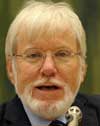
CHRISTOPH STÜCKELBERGER
Prof. Dr. Dr. h.c. Christoph Stückelberger is the Founder, former Executive Director (2008–2016), and, since 2016, President of the global network on ethics “Globethics.net Foundation”, based in Geneva/Switzerland, with ten offices on four continents. He is the Executive Director of the Geneva Agape Foundation in Geneva, mainly with partners in China. He is Professor emeritus at the University of Basel, Distinguished Professor at the Technical University MEPhI in Moscow, Visiting Professor at GOU University in Enugu/Nigeria and at Kingdom Business College in Beijing/China, and Visiting Professor at Leedsbeckett University business School in Leeds/UK. He got his doctor honoris causa (Dr. h.c.) from the Protestant University in Congo UPC in Kinshasa/DRC for his long-term engagement in Africa. He is the co-coordinator of the international research project on “Religions in OneBeltOneRoad” OBOR with the Minzu University, Academy of Religions, in Beijing. He is Senior Ethics Advisor to the UN Scaling up Nutrition SUN movement and Vice-President of the Ethical Investment Fund Prime Values in Zurich.
His main fields of research are environmental ethics, economic/business ethics, trade ethics, finance ethics including tax ethics, political ethics, development ethics, and philanthropy. He published as author and editor many books and hundreds of articles on applied ethics, among others “Cyber-Ethics” (co-edited with Pavan Duggal, November 2018), “Ethics in Higher Education” (co-edited with Divya Singh, 2016), “Responsible Leadership” and four volumes “Global Ethics Applied" (1500 pages), all downloadable
for free from globethics.net/publications.
He is a global academic leader as he published many books and articles on environment and sustainability ethics, since nearly four decades. His standard work “Environment and Development. An Ethical Orientation” was published in German, Chinese, Korean, Indonesian. Most works are in English and various books also in French, Russian, Spanish, and Chinese.
He was the Director of the Swiss Development Organisation “Bread for all” for 14 years, the Director of the Institute for Theology and Ethics of the Federation of Swiss Protestant Churches (4 years), Editor-in-chief of a large Magazine (8 years), Founder and President of Transparency International Switzerland, Member of the Commission for International Cooperation of the Swiss Government (14 years), and President of its sub-commission on WTO for several years. He was a Member of the Swiss Ethics Committee on Non-human Biotechnology of the Swiss Government (9 years), Member and President of the Council of the Swiss Import Promotion Programme SIPPO to support imports from developing countries, President of the international microfinance institution ECLOF working in 30 developing countries (9 years), Founding President of the Swiss Association Church and Environment OeKU, as well as member and consultant of various ethics committees of very large and small Banks (international, Switzerland, Germany, and China) and of a Sovereign Wealth Fund. He is a consultant of international companies, and a member of Boards of academic Ethics Centers. See www.christophstueckelberger.ch, www.globethics.net, and www.gafoundation.world (15th June 2019).

KIYOKO SUEDA
Kiyoko Sueda, Ph.D., is a professor of communication studies at School of International Politics, Economics and Business, Aoyama Gakuin University in Tokyo, Japan. She teaches communication theories, interpersonal communication, intercultural communication, and intercultural training. After she finished her B.A. in sociology in Japan, she studied in the USA on the Rotary Foundation Scholarship and completed an MA degree in sociology with an emphasis on ethnic relations at the University of Kansas, Lawrence. After working in the Japanese business sector, she went to the USA and completed her second MA degree at the Department of Speech Communication, California State University, Fullerton. Then, she received her Ph.D. from the Department of Applied Social Science at Lancaster University, UK, in 2002. She served SIETAR Japan as Vice President from 1998-2001 and 2002-2004, and SIETAR Japan and the Intercultural Education Society, Japan, as a member of the editorial board.
Her co-edited book, Komyunikeishon kenkyu hoh (Research Methods in Communication Studies) was nominated by the Communication Association of Japan as the most outstanding book published in 2011. In October 2013, her course "Intercultural Communication" was nominated as one of the best courses at Aoyama Gakuin University. In November 2013, her book, Face and the Negotiation of Multiple Identities, was nominated for Gakujuzu Hohshoh (Aoyama Gakuin Book Award). Her research interests include face (social), identities, shame and pride in interpersonal and intercultural communication.
Please see her most recent publication:
Negotiating Multiple Identities: Shame and Pride Among Japanese Returnees. Singapore: Springer, 2014.
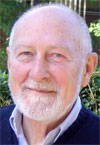
RALPH SUMMY
16th June 1929 – 27th October 2018, yet always with us in our hearts!
Vale Ralph Summy!
The School commemorates the life and contribution of Professor Ralph Summy
The University of Queensland School of Political Science & International Studies
31st October 2018
Ralph V. Summy was born in Allentown, Pennsylvania, USA. His family came from the heart of the 'Pennsylvania Dutch' country where he was first exposed to peace values. He received a full scholarship to Phillips Exeter Academy and then graduated from Harvard (AB). In 1960 he became the Director of the Greater Boston Committee for a Sane Nuclear Policy (SANE), but after coming under investigation for his political activities by the Senate Internal Security Sub-Committee headed by Senator Dodd, he decided to emigrate to Australia where he has resided for the past 40 years. He joined the staff of the Department of Government at the University of Queensland, teaching courses in American political thought and American political institutions and behaviour before introducing in 1976 and 1977 a couple of courses on nonviolent politics. Shortly thereafter he initiated and directed for many years that University's interdisciplinary peace & conflict studies program. On retiring at the end of 1996, he accepted the Directorship of the Matsunaga Institute for Peace, University of Hawai'i. He is now permanently retired from both institutions but continues to do research on the topics of nonviolence and peace movements, fields in which he has written numerous books and articles. He is a past member of the Council of the International Peace Research Association, and from 1998 to 2008 he was convenor or co-convenor of IPRA's Nonviolence Commission. In 1977 he founded the journal Social Alternatives and after 30 years on the editorial collective continues to serve on its Advisory Board. At the end of 2004 he was invited to join the Australian Centre for Peace & Conflict Studies at the University of Queensland as an adjunct professor. The Centre represents the latest extension of peace research and peace education at the University with which he identifies. In 2010, he became Adjunct Professor at the University of Sydney's Centre for Peace & Conflict Studies (CPACS).
Please see:
• Reflections on Humiliation by Ralph Summy (2005).
• From the Editor's Desk, introducing "Humiliation and History in Global Perspectives,"
A Special Issue of Social Alternatives (Special Issue "Humiliation and History in Global Perspectives"), Vol. 25, No. 1, First Quarter, p. 5, 2006.
• co-edited with Senthil Ram, Nonviolence: An Alternative for Defeating Global Terror(Ism), Hauppauge, NY: Nova Science, 2007.
• "Understanding Nonviolence Theory and Practice," in Encyclopedia of Life Support Systems (EOLSS), Developed under the Auspices of the UNESCO, Eolss Publishers, Oxford, UK, 2005.
• Nonviolent Alternatives for Social Change, in Encyclopedia of Life Support Systems (EOLSS), Developed under the Auspices of the UNESCO, Eolss Publishers, Oxford, UK, 2007, eISBN: 978-1-84826-220-1 (e-book), ISBN: 978-1-84826-670-4 (Print version).
• "The Paradigm Challenge for Political Science: Delegitimizing the Recourse to Violence," In Joseph de Rivera (ed). Handbook on Building Cultures of Peace. New York: Springer Books. pp. 71-87, 2009.
• Gandhi's Nonviolent Power Perspective, paper presented at the Hind Swaraj Centenary Conference, New Delhi, India, 19-22 November 2009, sponsored by the Swaraj Peeth Trust.
KENNETH SUSLAK
Dr. Kenneth Suslak is a Professor of Clinical Psychology and Interdisciplinary Studies at the Union Institute and University and a Clinical Psychologist for over 35 years with a specialization on the effects of war and oppression on children. He has provided consultation, treatment, and training services for professionals and indigenous workers in many countries, including Belarus, Latvia, Russia, Israel/Palestine, and the U.S. He has been involved with the Compassionate Listening Project in Israel and Palestine, a reconciliation program utilizing listening to all sides in intractable conflicts. He is currently studying the process of a number of reconciliation and peacemaking programs to determine whether there are consistent themes in "success". He has presented papers on his work at international conferences in Russia, Latvia, Canada, and the U.S.
Please see:
• Psychological and Research Perspectives on Reconciliation Models: Dealing with the Impact of War and Political Oppression on Children, contribution shared at the 2008 Workshop on Humiliation and Violent Conflict, Columbia University, Columbia University, New York City, December 11-12, 2008.

VIRGINIA SWAIN
Virginia Swain is an educator, mediator, ombuds, counselor, trainer, consultant and spiritual director with work experience on five continents. As Co-Founder with Joseph Preston Baratta, Ph.D., of the Center for Global Community and World Law incorporated in the state of New York as an educational institution, Virginia Swain has expertise in global governance, the process and structure by which humanity is evolving to political union and world peace in a global economy (please see here an editorial on the work of Joseph Baratta and Virginia Swain). The Center provides research, education and publications in a think tank to support the goals of the United Nations Charter in policy and practice through the harmonization of nations.
Virginia Swain is furthermore the Director of the Institute for Global Leadership, providing consultation and training to develop and support the personal and professional goals of seasoned and emerging leaders. Its purpose is to mentor leaders and guide people and teams, provide consultation and training for leaders committed to a just, sustainable, intercultural and multiethnic global peace, as well as provide dispute resolution services to address long-term social protracted conflict. Virginia is the founder of the Transformational Leadership and the Reconciliation LeadershipT Certificate Programmes custom-designed for each participant leader and held at the United Nations in New York and Tiverton, Rhode Island under the patronage of Under-Secretary-General and High Representative, Anwarul K. Chowdhury.
Virginia interviews important personalities in her Imagine Worcester program. See her "Imagine Worcester and the World #58," an interview with Hroar Klempe, June 24, 2011.
Please see:
• Reconciliation as Policy: Moving Beyond the Victim-Perpetrator Lens in the United Nations Secretariat and Member States, draft co-authored with Sarah Sayeed for a chapter for Victoria Fontan's planned book on Humiliation, presented at Round Table 3 of the 2005 Workshop on Humiliation and Violent Conflict, Columbia University, New York City, December 15-16, 2005.
• Reconciliation as Policy: A Capacity-Building Proposal for Renewing Leadership and Development, Virginia Swain and Sarah Sayeed 2005, update of the draft for a chapter for Victoria Fontan's planned book on Humiliation, presented at Round Table 3 of the 2005 Workshop on Humiliation and Violent Conflict, Columbia University, New York City, December 15-16, 2005.
•
A Leadership and Practice to Reconcile Challenges in a Post-September 11th World, Virginia Swain and Sarah Sayeed 2006, draft for a paper for the Journal of Human Dignity and Humiliation Studies, presented at the 2006 Workshop on Humiliation and Violent Conflict, Columbia University, New York City, December 14-15, 2006.
• A Global Mediation and Reconciliation Service by Virgina Swain and Joseph Baratta, paper presented at the 2008 Workshop on Humiliation and Violent Conflict, Columbia University, New York City, December 11-12, 2008.
• Ending the Cycle of Violence to Achieve World Federation, by Virginia Swain and Joseph P. Baratta, presentation given
by Skype at the 2009 Workshop on Humiliation and Violent Conflict, Columbia University, New York City, December 2009 (see the "Reconciling Cycle of Violence" by David Steele, apapted by Virginia Swain, and World Federation Imaging by Joseph P. Baratta).
• How to Dignify the World with Reconciliation Leaders and a Global Mediation and Reconciliation Service: Applications in the Sudan and Security Council Resolution 1325 on Women and Peace and Security, paper presented at the 2010 Workshop on Transforming Humiliation and Violent Conflict, Columbia University, New York City, December 9-10, 2010.
• Imagine Worcester and the World #58, an interview with Hroar Klempe, 2011.
• Imagine Worcester and the World #70, an interview with Linda Hartling and Evelin Lindner, October 17, 2011.
• Imagine Worcester #67, advocating the dignifying of the world through the Human Right to Peace, thus linking the World Dignity University initiative to the Human Right to Peace.
• Imagine Worcester #68, advocating the dignifying of the world through the Human Right to Peace, thus linking the World Dignity University initiative to the Human Right to Peace.
• "Message to the World" (Video) shared on Day Three of the 2020 Workshop on Transforming Humiliation and Violent Conflict, Virtual at Columbia University, New York City, December 10 – 12, 2020.
• "Message to the World for 2022" (Video recorded on November 23, 2021),
contribution to the 2021 Workshop on Transforming Humiliation and Violent Conflict, Virtual at Columbia University, New York City, December 9 – 10, 2021.

ANOOP SWARUP
Dr. Anoop Swarup is Vice Chancellor at Shobhit University, India. He is the recipient of the Presidential Award on Republic Day of India, 2003, and has extensive experience of over 30 years in key positions in public, private and not for profit sectors, including with the General Insurance Corporation (GIC) posted at Mumbai, Chandigarh, Kanpur, Bhopal, and London, the Indian Revenue Service (IRS) in 1985, Monash University in 2006 and UNSC at United Nations (UN) in 2007.
He is the founder of the Global Knowledge Alliance (GKA) and Patron, Melbourne School of Knowledge Management (MSKM), Australia in 2006. He has set up ˜Sambhav Nasha Mukti Abhiyan,” a not for profit Trust against drug abuse and deaddiction in 2007, ˜Sambhavami”, a not for profit Society to promote voluntarism amongst youth through self help and microenterprises in 1992 and ˜Youth and Biosphere,” a movement for environmental consciousness in 1984.
Dr. Anoop Swarup is the recipient of the National Science Talent Scholarship (NCERT) in 1974, JRF (CSIR) in 1980, SRF (UGC), in 1981, National Gandhi Fellowship in 2001 and Fulbright Visitor to United States in 2005. He received his Doctorate in Science and distinguished University Gold Medals for MSc and MPhil, consecutively securing his first position in the University Science Faculty. He also holds a Master of Science in Defense & Strategic Studies from DSSC Wellington and an MBA (Finance & Strategy) from the Australian Graduate School of Entrepreneurship (AGSE), Melbourne, Australia, among many other professional qualifications.
He was the Global Environment Outlook Reviewer (GEO) with the Inter Governmental Panel on Climate Change (IPCC), United Nations Environment Programme (UNEP), that was awarded the Noble Prize along with Al Gore in 2007. He is a member of the International Institute of Strategic Studies (IISS-2007) in Geneva, and a member of the National Expert Group on Rules of Origin of the Ministry of Commerce, Government of India, 2004-2005. He was, furthermore, a member of the Board of Directors at OISCA International (Organization for Industrial, Spiritual and Cultural Advancement International) in Tokyo Japan (2000- to 2005), a member of the United Nations Inter Agency working group on Population and Development in 2000, as part of the United Nations Development Assistance Frame Work (UNDAF), and a Life Member of the Indian Institute of Public Administration (IIPA 1999) and Founder Trustee of the Indian Council of Gandhian Studies (ICGS) in 2002.
Dr. Anoop Swarup was awarded the UNESCAP Hon’ble Mention on HRD for Youth Empowerment (2001), several commendations from the Government of India, nominated national contact point as WCO Asia Pacific Vice Chair, negotiated the US Container Security Initiative, FATFs Forty Recommendations on Money laundering and the special Nine Recommendations on Terrorist Financing, WCOs Kyoto Protocol, Bilateral Customs Cooperation Agreements with the EU, USA, UK, France, Russia, China, SAARC, Australia and many other countries and has represented India in negotiating the Free Trade Agreements with ASEAN, Thailand, Singapore, SAFTA, MERCOSUR (South American Countries), China and other countries. He negotiated the Preferential Trade Agreement with MERCOSUR, and has contributed to setting up EEZs and Export Processing Zones in India.
He has represented India at Asia Pacific Heads of Government Meeting at Wellington, New Zealand, 2004 and was Head of the delegation to the Council Session of the World Customs Organization in Brussels in 2005. He organized and chaired the 13th Meeting of Customs Regional Contact Points at the World Customs Organization for the Asia Pacific Region, in New Delhi, 13th to 17th October, 2003, and the Training on Enforcement of Intellectual Property Rights, organized by WIPO/USPTO in Washington, DC, October, 2003, the International Conference on ‘The Family, Human Rights and World Peace’ in 1998 in New York, organized by the Youth Federation for World Peace in Washington and the World Youth Forum of the United Nations System in 1998 in Braga, Portugal, the 14th International Festival of Youth & Students in Havana, Cuba, in 1997. He was resource person with the Linnaean Society, London, the British Natural History Museum, London, the United Nations Environment Program, Trieste, Italy and the World Wide Fund for Nature, New Delhi.
He has been a UNEP Certified Trainer and also a visiting faculty with various Institutions and Universities that include Monash University, Melbourne, (2006-07), Swinburne University (2001-03), National Institute of Financial Management, Faridabad (1996-05), Wildlife Institute of India, Dehradun (1995-96), National Academy of Customs, Excise and Narcotics, New Delhi (1996-05), Commonwealth Youth Program, Chandigarh (1998-09), Indira Gandhi Open University, New Delhi (1999- 2001), Barkatullah University, Bhopal (1991-94); Lancaster University, UK (1992) and Vikram University, Ujjain (1981-84).
Dr. Anoop Swarup has edited several publications including ‘Nehru Yuva’,‘Yuva Bharat’ and ’WCO Asia Pacific Quarterly Journal’ and authored books on ‘The World of Money Laundering, Financial Crimes and Commercial Frauds’ and ˜Regional Economic Engagements and Free Trade Agreements’ and has contributed over 200 articles and papers in national and international journals.
Please see:
• The Role of Eastern Wisdom and Spiritual Intelligence for Dignity and Humiliation: A Road Map to the Future, abstract prepared for the 2010 Workshop on Transforming Humiliation and Violent Conflict, Columbia University, New York City, December 9-10, 2010.
• Co-authored with Atul Mehrotra, Proposing a ‘3Cs’ Roadmap for a Humane Society, abstract prepared for the 25th Annual Conference of Human Dignity and Humiliation Studies 'A Life of Dignity for All', in Kigali, Rwanda, 5th-8th June 2015.
• Co-authored with Katyayani Singh, Studies on Setting up a Nonkilling Index as an Approach to Nonviolence and Global Peace (Video of the Introduction into the Dignilogue | Video of the Dignilogue | WDU Message| Pdf), Dignilogue facilitated by Katyayani Singh on 17th August 2017 at the 29th Annual Conference of Human Dignity and Humiliation Studies 'Dignity in Times of Globalisation', in Indore, India, 16th – 19th August 2017.
• "Message to the World" (Video recorded on November 15, 2021),
contribution to the 2021 Workshop on Transforming Humiliation and Violent Conflict, Virtual at Columbia University, New York City, December 9 – 10, 2021.
HENRIK SYSE
Henrik Syse is a Senior Researcher at PRIO, the International Peace Research Institute in Oslo, Norway, since 1997. He received his Dr. Art. (equivalent to Ph.D.) from the University of Oslo in 1997 and his Master of Arts from Boston College in 1991.
Currently, Henrik Syse
works with Norges Bank on ethics and corporate governance.
He is also writing of various research articles on the ethics of war and peace, with special attention to the just war tradition. He is planning and conducting seminars and lectures on international ethics and military ethics and editing (with Gregory Reichberg) a major anthology on classical works of the ethics of war and peace.
Henrik Syse is Member of the Secretariat of the Norwegian Government Commission on Human Values 1998-2001, Chief Editor of political journal Tidens Tegn 1998-2000, and since 1998 Program Leader for the PRIO research program "Ethics, Norms, and Identities."
Syse has written extensively both in Norwegian and English, among others "Plato: The Necessity of War, the Quest for Peace," in Journal of Military Ethics 1(1): 36-44 (2002); "What Kind of War? 11 September and Beyond," in Security Dialogue 32(4): 499-501 (co-authored with Gregory Reichberg in 2001); "Ethics of War and Peace: An Introduction," in Journal of Peace Research 37(4): 419-420 (co-authored with Gregory Reichberg in 2000); and "Augustinian History and the Road to Peace: Perspectives from Two Latter-Day Augustinians," in Augustinian Studies 31(2): 225-239 (2000).
Advisory Board
A - F | G - M | T - Z |


 2003 – present, Human Dignity and Humiliation Studies